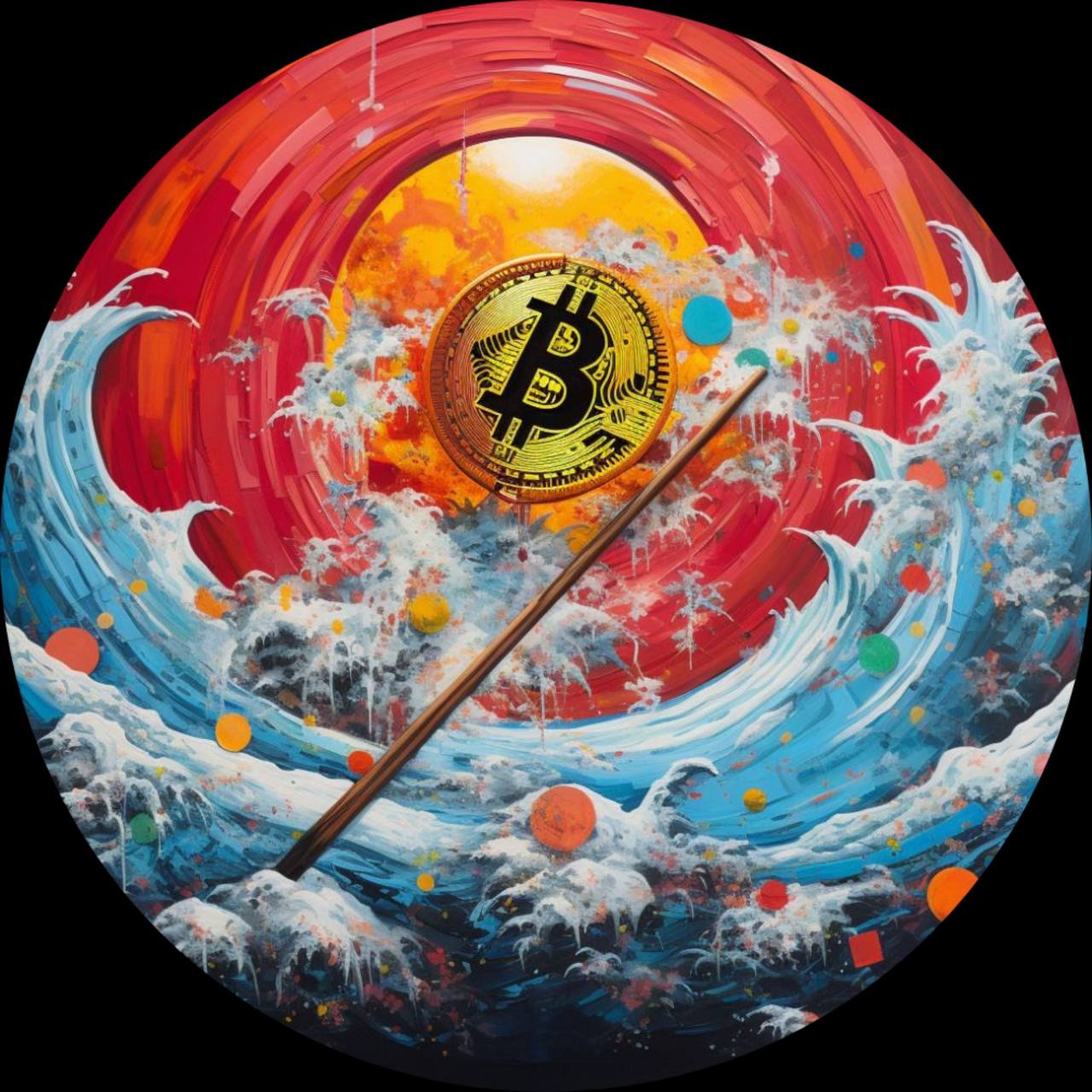
❝ A tweet can instantly crash the market.❞
Yes, the crypto market is still highly dependent on narrative and public sentiment.
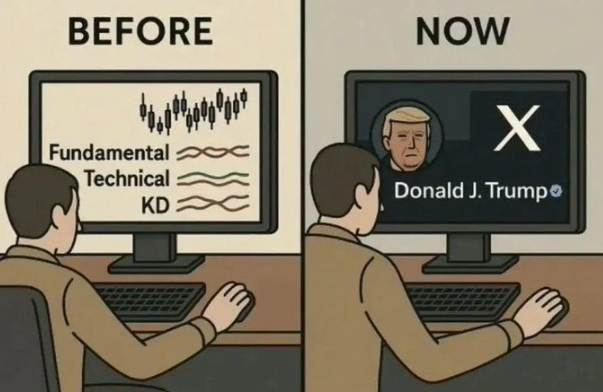
A fake screenshot created by AI
A misleading headline from a KOL
An unconfirmed project collaboration "explosion"
All of these may trigger short-term surges or plunges, sweeping away billions of funds.
In contrast, the traditional financial market (TradFi) is more robust:
Fundamentals dominate, price fluctuations are small
The news has limited impact on the trend
The market is slower and more rational
But in the crypto world, information is the weapon and emotions are the catalyst.
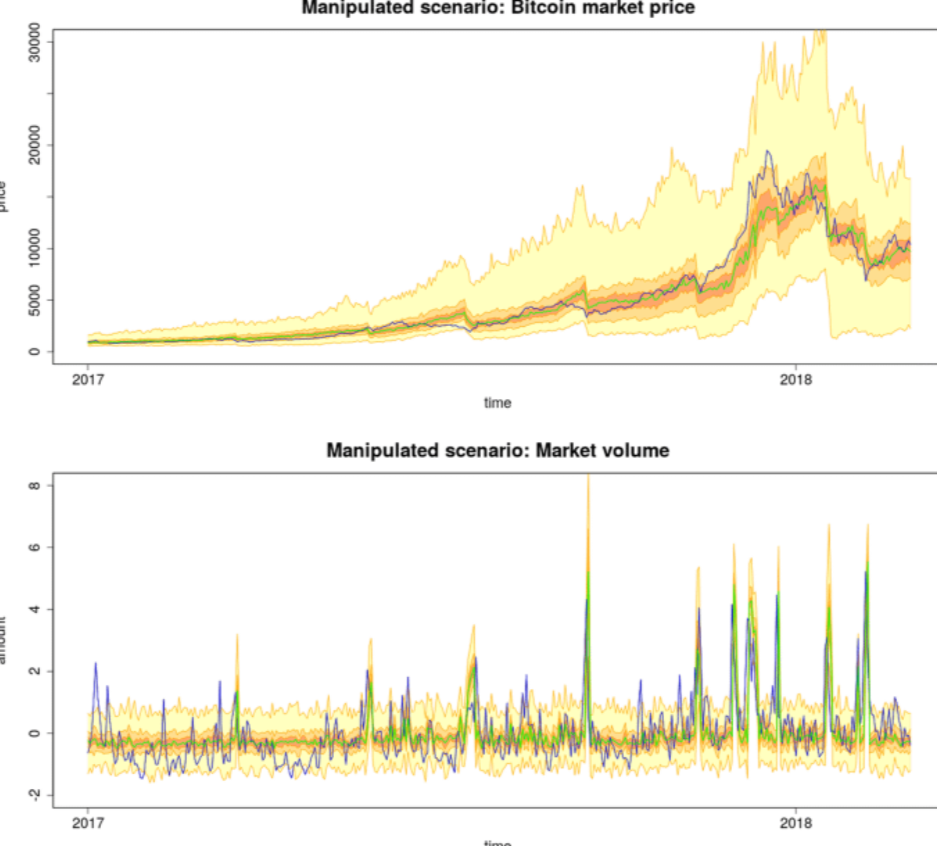
2. News is not neutral information, but a means of bargaining
The biggest mistake many newbies make is treating crypto news like traditional news.
But the truth is:
Crypto news is part of the game itself, and a lot of “news” is not about delivering facts but about directing liquidity.
What you see is not information, but intention:
Large investors make early arrangements, and then "airdrop good news" to induce retail investors to follow suit
Some protocols release updates, but they hide the release of locked funds
The DAO proposal was passed, but an insider ambushed and rushed to take over
So in this market:
❌ If you blindly believe in the news, you will become a "buyer"
❌ If you completely ignore the news, you will miss the key market trends
✅ You need to build your own "information filter"
3. Several "News Trading" Filters I Use
1. Look at the volume, not just the increase
Many +30% increases are actually "air pulls"
If there is no real volume support behind it, it is likely to be a trap to lure more people into selling.
📌 Principle: Don’t chase high prices when there is no volume, and only dare to take over when there is volume
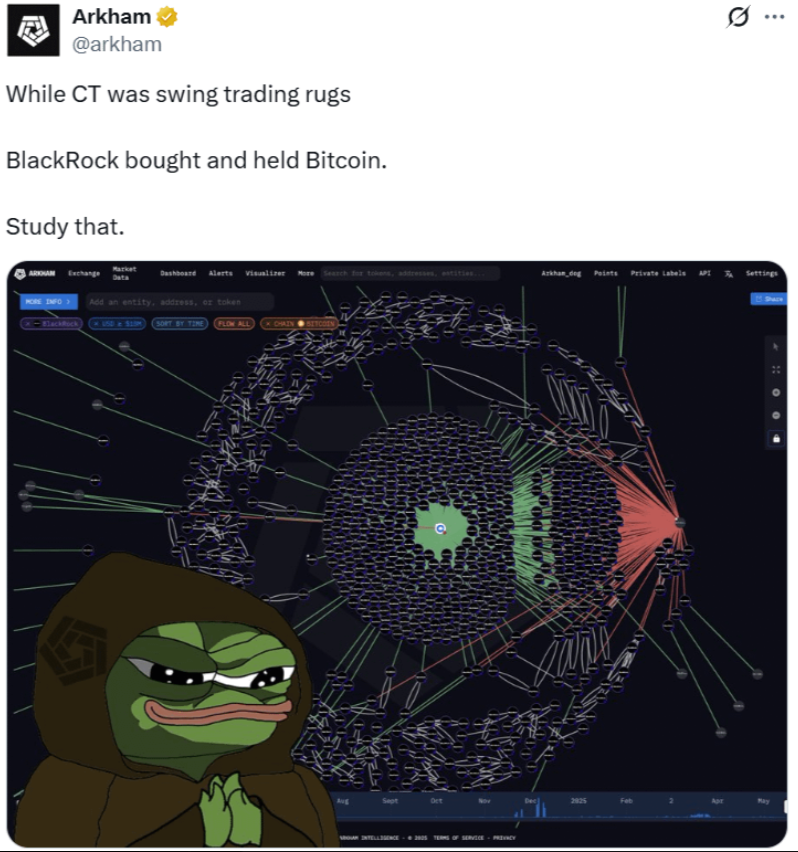
2. Track wallet behavior instead of listening to what others say. If someone calls an order, you need to see if he has bought it with real money.
Use tools such as Arkham and DeBank to track the wallet address of the person who calls the order.
📌 Principle: It’s better to do it on the chain than to say it verbally. Wallets don’t lie.
3. Enter the market with a delay, don’t chase the first reaction
The first wave of market trends based on many news are false moves. The real big market trends often start after the market cools down.
📌 Principle: Wait for the market to react before deciding whether to enter the market
4. The time dimension is extended to see who will ambush first
The hot topics you see on tweets are often 3-5 days late. Institutional funds and smart wallets have already entered the market before the narrative breaks out.
📌 Principle: Hotspots are terminal signals, and ambush is the core capability
Conclusion: In a market driven by emotions, news is the bargaining chip
In traditional finance, news is an external variable that affects prices;
But in crypto markets, news itself is a “weapon of narrative creation.”
Take the news as a signal and you will be tossed around
Treat news as intention, and you will be on the right side
So, instead of ignoring market news completely,
Instead, you need to understand when to watch, how to watch, and what to do after watching.
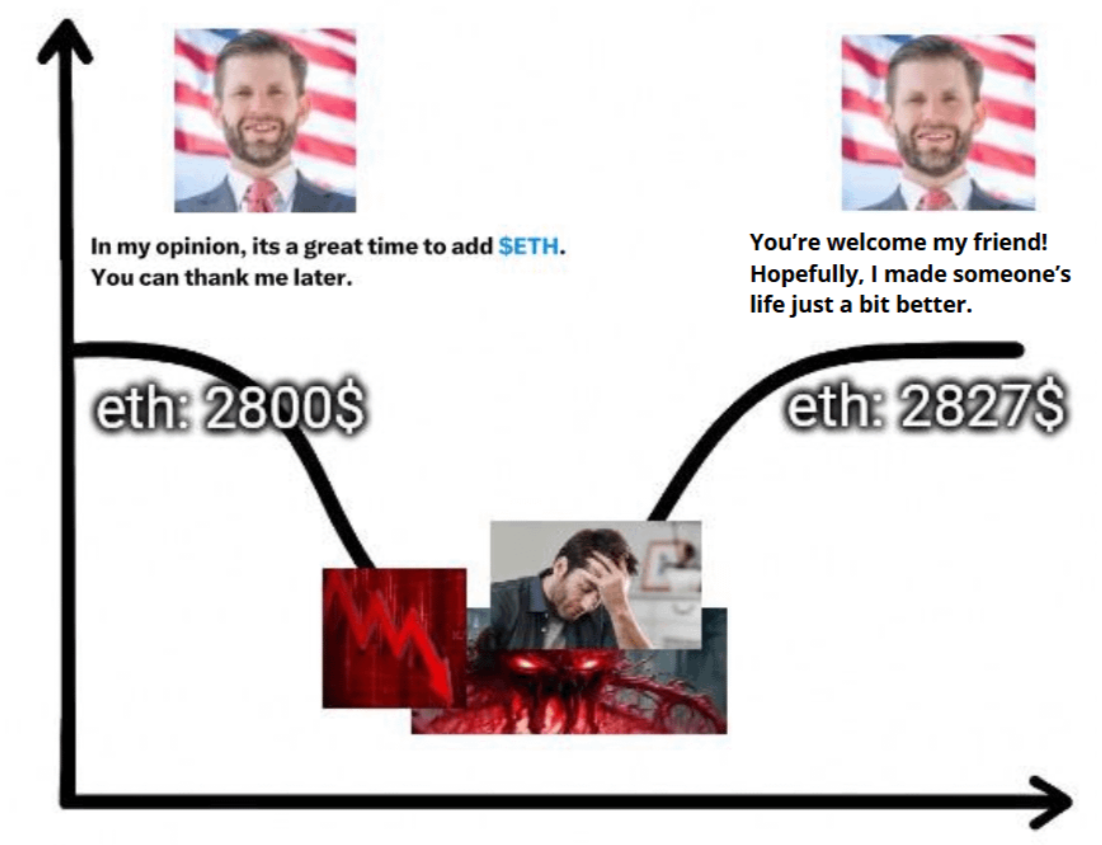
✅ Conclusion: The real "news trader" is not the fastest one
They are:
People who understand the intentions behind the operation
Someone who identifies the credibility of information sources
People who see through the noise and respond only to structured information
This is not a battle of "speed" but a contest of "cognitive structure".
In the flood of information, the only way to trade calmly is to maintain delay, understand motivations, and carefully select signals.