
The Origin of Strategic Reserves : National Resource Competition from Oil to Bitcoin
In 1975, the United States established a strategic oil reserve in response to the oil crisis, which remains the core pillar of global energy security. In 2025, this model was replicated in the crypto field - the Trump administration proposed to include cryptocurrencies such as Bitcoin ( BTC ) in the national strategic reserve assets, marking the United States' leap from "oil hegemony" to "digital asset hegemony."
The starting point of this strategy can be traced back to July 2024, when Senator Cynthia Lummis submitted the BITCOIN Act of 2024, planning to gradually establish a national reserve of 1 million BTC through annual purchases. Subsequently, Trump made the "crypto-strategic reserve" a core promise in his campaign, declaring that he would "make the United States the global crypto capital." As of March 2025, the U.S. government has held about 200,000 BTC (worth about $21 billion), mainly from criminal assets confiscated by the Department of Justice.
Policy implementation path: a two-track game between executive orders and congressional legislation
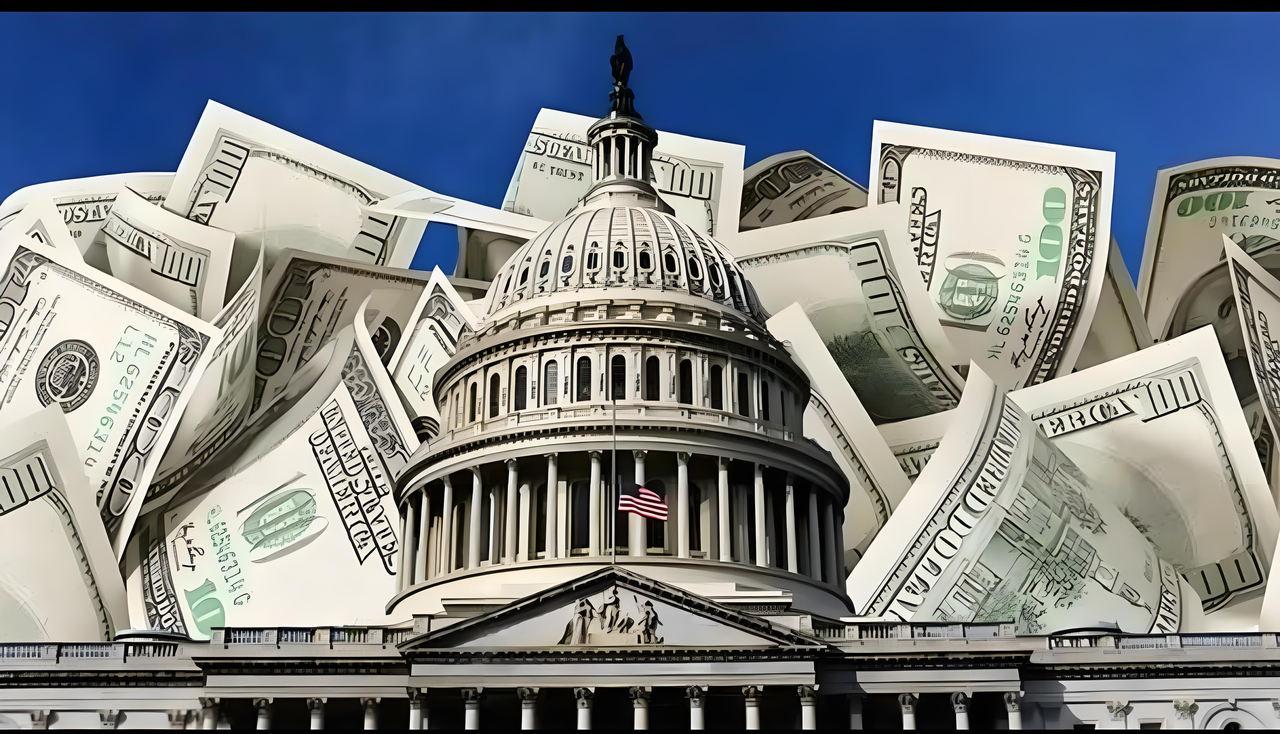
The current US strategic reserve encryption is faced with two major paths:
A blitzkrieg of executive orders
Trump plans to instruct the Treasury Department to use the Exchange Stabilization Fund (ESF) to directly allocate BTC through a presidential executive order, bypassing the congressional approval process. This path can be launched as early as the second half of 2025. The advantage is high efficiency, but it faces legal disputes: ESF is traditionally used to stabilize the US dollar exchange rate, and using it to purchase crypto assets may trigger unconstitutional lawsuits.
The "protracted battle" of congressional legislation
The BITCOIN Act needs to be voted on by both the Senate and the House of Representatives. The core controversial points include:
Source of funds: whether to use the fiscal budget or issue special financing of treasury bonds;
Reserve size: Radicals demand 1 million BTC (about 1 trillion USD) within 5 years, while conservatives suggest keeping it within 1%-5% of national debt assets;
Custody mechanism: The federal government builds its own cold wallet or entrusts Coinbase and other compliant institutions to manage it.
Global market turmoil: Bitcoin's "nationalization" and the competition for crypto asset pricing power
The US's increased strategic reserves have triggered a chain reaction:
The price of coins fluctuated drastically: On March 3, 2025, after Trump announced that the reserve plan would include XRP, SOL, ADA and other tokens, the price of related coins rose by more than 15% within 24 hours;
Sovereign funds followed suit: Norway's sovereign fund, Singapore's GIC and others began to evaluate BTC allocation plans, pushing the market value of Bitcoin to exceed $2 trillion;
Regulatory paradigm change: The U.S. SEC abolished Staff Accounting Notice 121, which hindered the development of encryption, and established a special working group to coordinate policies.
It is worth noting that this strategy is reshaping the US dollar system: BTC reserves may become a "new anchor asset" besides US Treasuries, consolidating the status of the global settlement currency through the "BTC-US dollar" dual reserve model.
Controversy vortex: Four major challenges of strategic reserves
Despite the attractive prospects, the US crypto strategic reserve still faces multiple questions:
Technical risks: Security risks such as BTC private key management and 51% attacks may threaten national financial security.
Legal conflict: The Federal Reserve publicly opposed the government-led hoarding of BTC, emphasizing that "monetary policy should not be tied to crypto assets."
Suspected market manipulation: After the US government holds a large amount of BTC, it may influence the price of the currency through policy regulation, triggering the controversy of "being both a referee and a player".
International resistance: China and the European Union criticized the United States for "crypto unilateralism" and planned to promote global crypto regulatory coordination under the IMF framework.
Future projections: triple changes in crypto geopolitics from 2025 to 2030
The battle for the digital gold standard: The United States pushes for BTC as a reserve asset, China bets on central bank digital currency (CBDC), and the European Union explores the path to ETH compliance, forming a three-legged pattern.
Crypto Cold War 2.0: If the United States successfully builds up BTC reserves, it may impose "crypto sanctions" on "de-dollarizing" countries such as Iran and North Korea and freeze their on-chain assets.
The confluence of Wall Street and Silicon Valley: venture capital firms such as a16z are accelerating their lobbying of Congress to promote the "inclusion of DeFi protocols in the strategic reserve ecosystem" to achieve a deep binding of capital and policy.
Hong Kong’s Response: A Window of Opportunity for a Web3 Compliance Hub
Facing the impact of the US's strategic crypto reserves, Hong Kong is consolidating its Web3 position through three major strategies:
Accelerate the issuance of VASP licenses: 4 new licensed exchanges will be added in December 2024 to attract compliant capital inflows from the United States;
Launched the stablecoin sandbox: JD.com, Standard Chartered and other companies participated in the test to explore the interoperability path with the US dollar stablecoin;
A $100 million ecological fund was established: focusing on incubating BTC Layer2, compliant derivatives and other tracks to hedge against the risk of US policy fluctuations.
Conclusion: The Bretton Woods Moment in the Crypto Era
The US crypto strategic reserve is not only a change in asset allocation, but also a "silent war" for monetary sovereignty in the digital age. Regardless of whether this plan can be implemented, it has forced global sovereign institutions to re-evaluate the strategic value of crypto assets - just as the Bretton Woods system in 1944 established the hegemony of the US dollar, 2025 may become the first year of the " digital golden order".