Introduction: RWA is becoming the underlying logic for the integration of digital economy and real economy
As the global trend of asset digitization intensifies, how to confirm ownership, split, circulate and financialize traditional assets on the chain has become a core issue in reshaping the way global capital is allocated. RWA (Real World Assets) is a key mechanism that links on-chain finance and real assets, and is gradually evolving into a new generation of financial infrastructure.
Against the backdrop of the convergence of technologies such as decentralized finance (DeFi), distributed identity (DID), the Internet of Things (IoT) and artificial intelligence (AI), RWA builds an on-chain title confirmation and transaction system for real estate, bonds, green energy, copyrights, accounts receivable and even data assets, which not only improves asset liquidity and transparency, but also reshapes the financial service model and asset securitization logic.
1. RWA: A closed-loop system of asset ownership, splitting, and financialization
1.1 Definition
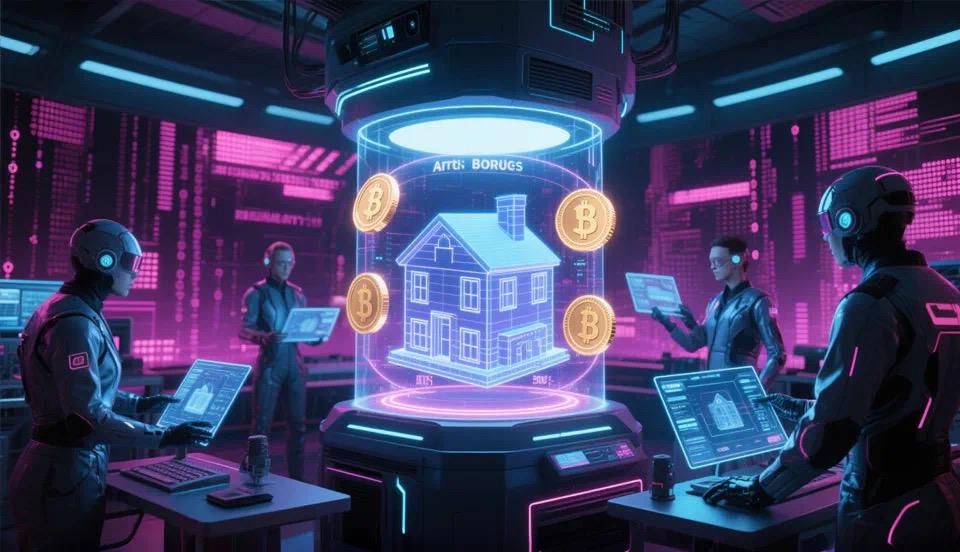
RWA refers to the use of blockchain technology to map tangible or intangible assets in the real world (such as real estate, bonds, copyrights, energy projects, etc.) into tokens on the chain to achieve digital rights confirmation, fragmented transactions, on-chain circulation and financial operations.
1.2 Technical Implementation Path
Distributed ledger : ensures that asset transfer records cannot be tampered with, are transparent and traceable;
Smart contracts : automatically execute transactions, profit distribution and liquidation processes;
Oracle system : Realize real-time synchronization between off-chain asset status and on-chain token value;
IoT integration : supports device-level data collection and drives dynamic asset pricing models;
Zero-knowledge proof : ensuring asset transactions and identity privacy while ensuring compliance and auditability.
1.3 RWA Technology Closed-Loop Model
Asset mapping = legal confirmation of ownership + data collection + blockchain mapping value recognition = third-party custody + pricing mechanism + oracle synchronization financial application = DeFi mortgage + DAO governance + DEX transaction + stable currency peg
2. The evolution path of RWA: from stablecoin to global asset digitalization standard
| stage | Representative Projects | Features and significance |
|---|---|---|
| Stablecoin prototype | USDT, USDC | The first real-world asset on-chain mapping model, providing price anchoring |
| The rise of STOs | Polymath, tZERO | Compliance framework trial, exploration of securities digitization |
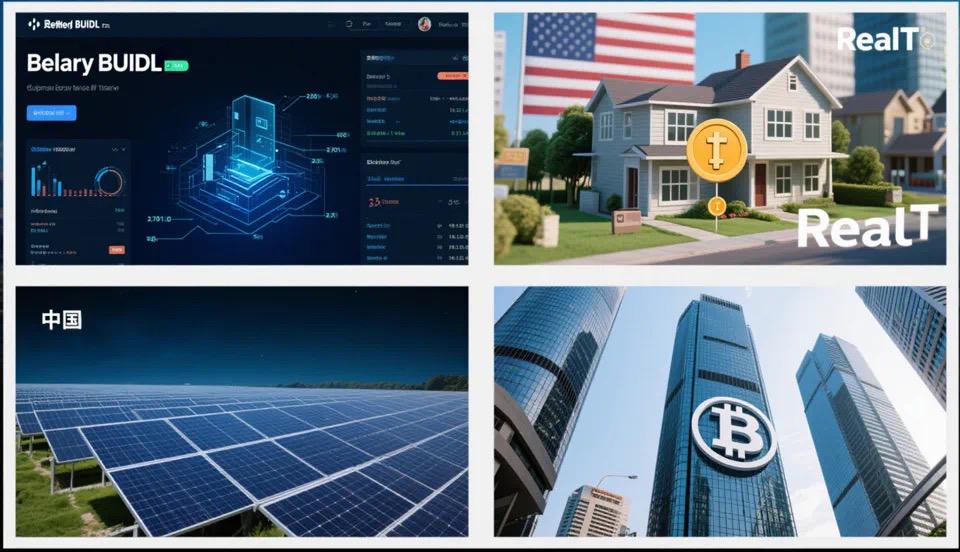
| Multiple assets on the chain | RealT, Tinlake | Real estate and accounts receivable enter the on-chain asset pool |
| Institutionalization Acceleration | BlackRock BUIDL, Project Guardian | Financial giants test the waters by establishing a standardized Token framework |
| China Practice | Ant Financial, China Academy of Information and Communications Technology | Focus on the real economy and promote data factorization |
3. Systematic value innovation of RWA

| Core Values | describe | Application Examples |
|---|---|---|
| Asset fragmentation and liquidity revolution | High-value assets can be split into tokens to improve liquidity and trading activity | Artwork, real estate, and energy project share transactions |
| Financial services sink | Ordinary users can hold asset shares and enjoy benefits, building a global inclusive financial network | Token holders directly receive cash flow |
| Improved cross-border financing and transaction efficiency | Standardize on-chain processes to break down geographical barriers and intermediary dependence | Photovoltaic revenue rights RWA cross-border financing |
| Transparent governance and smart execution | Smart contract execution profit distribution, voting governance, and asset change process | DAO management asset pool |
| Building a value anchor for the digital economy | RWA provides real-world value support for the Web3 virtual asset system | Stablecoins, DeFi collateralized assets |
IV. Global and Chinese RWA Supervision and Implementation Progress
4.1 Global Trends
US : SEC promotes digital compliance of securities, BlackRock and JPMorgan Chase enter the market
Singapore : MAS establishes Project Guardian to test tokenization of government bonds and structured products
Europe : MiCA regulations are introduced to unify digital asset supervision
4.2 China Path
Physical assets first : new energy, agriculture, and manufacturing as breakthroughs
Data elements come first : "30 Data Elements" and "Blockchain Physical Asset Trustworthy Chain Standards" are implemented
“Hainan-Hong Kong-International” Link : Building a Cross-border Digital Asset Channel
V. Key Challenges and Countermeasures
Challenge Type describe Coping mechanisms Technical bottleneck Data uploading and equipment integration are complex Promote IoT standardization and openness of Web3 infrastructure Compliance gap Regulatory conflicts between different countries Relying on sandbox mechanism + cross-border audit + international regulatory coordination Low market awareness Financial institutions and investors are lagging behind in understanding Strengthen popular science education + transparent disclosure + audit trusteeship Lack of trust Questions about the authenticity of assets and circulation Introducing third-party valuation, asset custody and real-time supervision VI. Future Trends: How RWA will Reshape Global Finance
6.1 Diversified asset expansion
Photovoltaic, wind power, carbon credit → Carbon asset tokenization trading
Real estate, bonds → DEX real-time transactions and DeFi mortgages
Data, AI models → Data asset rights confirmation and revenue rights circulation
6.2 Evolution of Fusion Technology
AI+RWA : Algorithmic valuation, intelligent matching, and credit modeling
IoT + RWA : Real-time asset status mapping and dynamic pricing
ZKP+RWA : Data circulation and compliance monitoring under privacy protection
Metaverse + RWA : Realizing Virtual Twins and Interactive Finance of Real Assets
6.3 Regulatory Sandbox and Global Coordination Mechanism
Singapore, Dubai and Hong Kong have opened RWA compliance testing environments
China promotes standard output and trusted blockchain system construction
International organizations (such as ISO, IMF, FATF) promote consensus standardization
Conclusion: RWA is an irreversible trend in the digitalization of global assets
RWA is not a conceptual innovation of blockchain, but a systematic reconstruction of the global asset circulation mechanism. It will promote the trinity value circulation network of "asset-information-finance" and help build a global, low-threshold, highly transparent, all-weather financial market through intelligent, compliant, and open digital infrastructure.
As the digital economy enters the era of "value anchoring", RWA is the cornerstone of the future global financial landscape. Platforms, project owners, regulators, and investors all need to understand, plan, and adapt to this irreversible evolutionary trend as soon as possible.