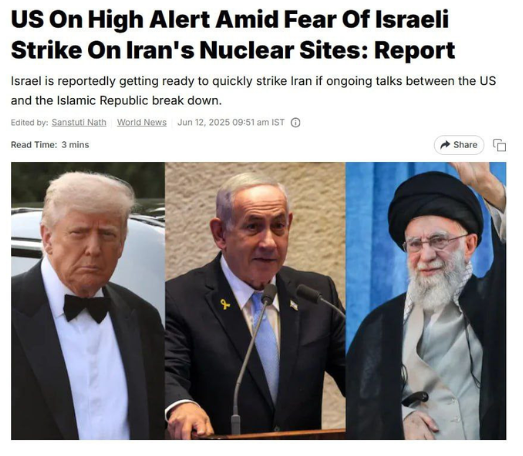
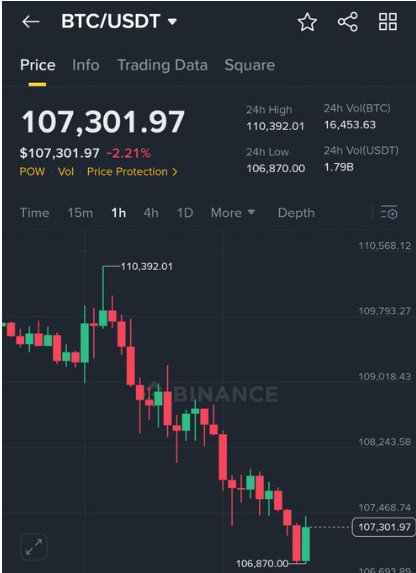
As soon as the news came out, the crypto market showed significant fluctuations:
BTC and ETH are down around 2–3% over the 24 hour period.
Although the current decline is not serious, many people are beginning to worry:
Is this the start of a deeper correction? Should I sell now, or wait for an opportunity to buy at a lower price?
Today, we will analyze this issue by combining several historical geopolitical conflicts and market reactions.
📜 History will not simply repeat itself, but it always has a similar rhythm
1⃣ January 2020: US-Iran conflict
US airstrike kills commander of Iran's Quds Force
Iran accidentally shoots down Ukrainian passenger plane
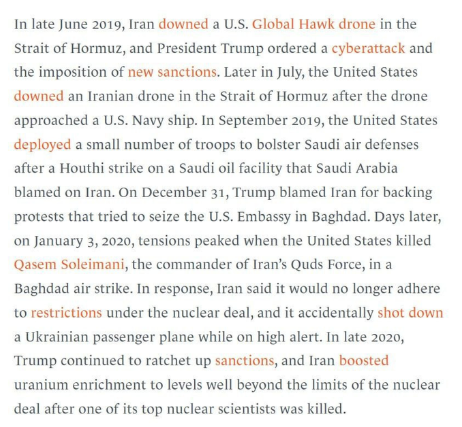
BTC plunged 6% that day, but rebounded 12% 10 days later and rose 20% 60 days later
Altcoins subsequently hit new highs
Conclusion: Panic selling followed by a quick rebound, bottom-pickers profit
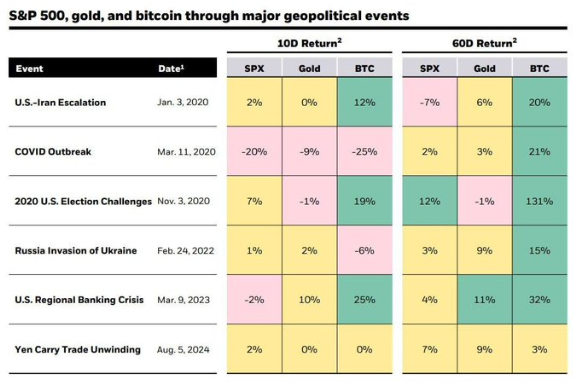
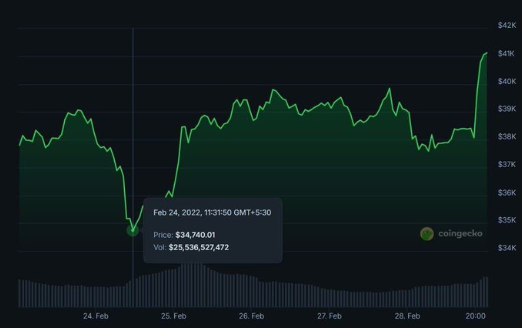
2⃣ February 2022: Russia-Ukraine War
Russia's full-scale invasion of Ukraine
BTC plunged 11% in a single day, while altcoins plunged 15–20%
BTC fully recovered its losses in 7 days and rose by nearly 40% in 30 days
Although the market weakened due to internal systemic risks (3AC, LUNA), investors who bought into the war panic in the short term made huge profits.
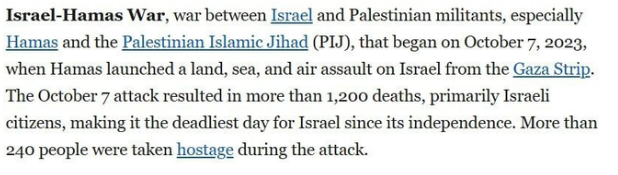
3⃣ October 2023: Israeli-Palestinian War
Hamas raids Israel
BTC fell 6% this week, while altcoins fell even more
BTC surged 40% in the next 30 days, and 172% in 5 months.
Altcoins generally rose 5-10 times
This is a "fate-changing" bargain hunting opportunity
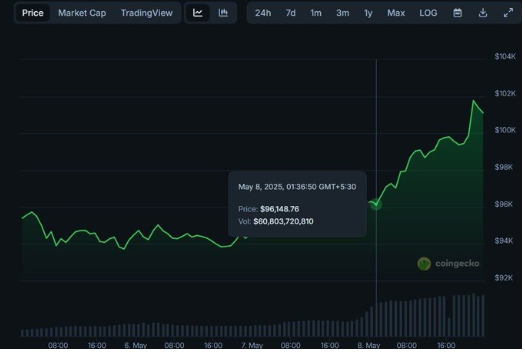
4⃣ May 2025: India-Pakistan conflict
Indian missile strikes Pakistan
BTC only fell 3% that day and recovered completely the next day
BTC rises 15% in 2 weeks, hitting a record high
ETH rose 50% during the same period
Once again verifying the rule of "war panic = buying opportunity"
🧩 So, how should we deal with this Iran-Israel conflict?
Based on the past four major geopolitical conflicts, we can summarize several rules:
✅ Panic often occurs during the "anticipation" of conflict, not during the conflict itself
✅ The real market bottom usually occurs when the event occurs or when subsequent easing news is announced
✅ Huge short-term fluctuations, but a high probability of medium-term rise
✅ Altcoins are much more resilient than BTC, especially narrative projects
💼 Practical suggestions:
Sell now? Or buy low?
Short-term traders: You can wait for further confirmation before making a layout, but panic selling is not recommended
Mid- to long-term investors: This type of post-conflict pullback is always an opportunity to enter the market with high-quality chips
Focus sectors: DeFi and stablecoin-related narrative sectors, with strong rebound potential
Special tips:
"Don't try to buy at the bottom", but instead arrange in batches to reduce the cost of holding positions.
⚠ Risk Reminder:
Although historical data shows that buying geopolitical panic mostly pays off, war is uncertain. If the situation escalates further and turns into a regional war, the market may face more severe fluctuations in the short term.
But it is precisely because of the short-term panic that the next round of layout opportunities have come.
Conclusion:
War affects market sentiment in the short term, but from historical experience, buying after major geopolitical events is often the starting point for the next round of increases.
This time, it may be no exception.
As a classic investment quote goes:
“Buy when there’s blood, sell when there’s toast.”
The situation will remain uncertain in the next 1-2 days, but the crypto market will most likely go higher in the coming months.