In the past few years, Singapore has been one of the most favored "bases" for global virtual currencies and Web3 companies. With its relaxed policies, stable legal system, and open innovation environment, all kinds of crypto players have moved in and regarded Singapore as the "Crypto Capital of Asia".
But things have changed. Today, Singapore is slowly switching from the early "encouraging innovation" model to a steady "risk prevention and control" approach. From a policy perspective, some people even wonder if Singapore is going to "kill off" Web3.
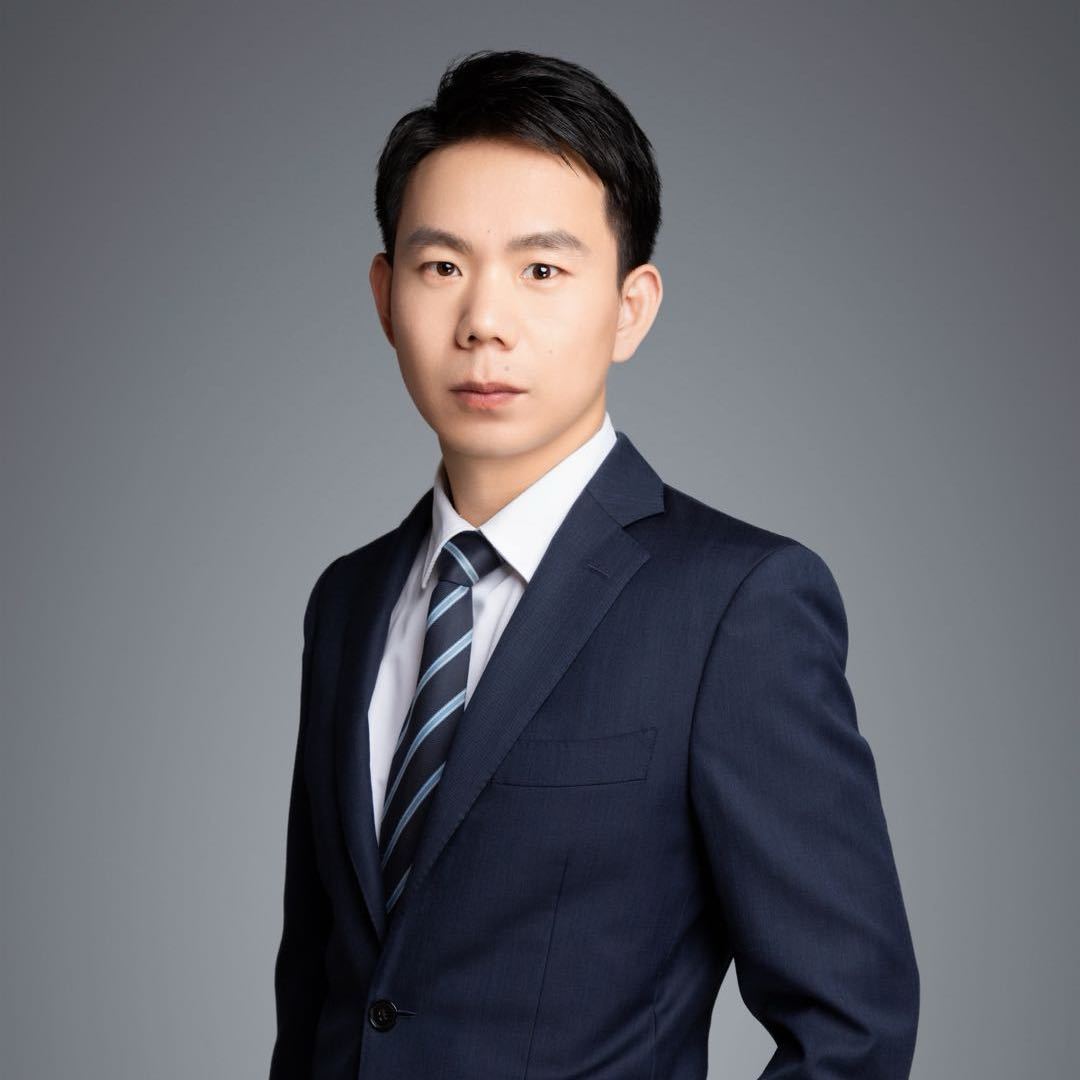
In Lawyer Liu’s opinion, it has only completed its “primitive accumulation” and is now starting to manage it in a fine way.
1. Early stage: Welcome everyone, make the pie bigger first
Singapore was not a "conservative" from the beginning. After the introduction of the Payment Services Act (PSA) in 2019, the legal status of digital payment token (DPT) services was clarified, which provided a clear licensing path for cryptocurrency exchanges and wallet services. In addition, MAS (Monetary Authority of Singapore) has always encouraged technological innovation, and a large number of Web3 projects have begun to land here, including "Project Ubin" and "Project Orchid" and other experimental projects exploring central bank digital currencies and tokenized assets.
We can think of that stage as "seizing the first opportunity" - as long as you don't cross the compliance line, you can try it boldly. For many start-up teams, this is a rare "window period". 
2. After the Thunderstorm: We Can’t Just Focus on Making Money
However, as the industry expanded, some hidden risks were also exposed.
In 2022, Three Arrows Capital (3AC) went bankrupt in Singapore, followed by the collapse of FTX, which Temasek invested heavily in. This put Singapore's financial management under great pressure. After all, in an industry where global compliance is the most concerned, if a financial center has problems, it is not a problem of the company, but a problem of national credit.
As a result, Singapore regulators acted quickly. On the one hand, they strengthened the supervision of crypto service providers from an institutional perspective, such as introducing a stricter Financial Services and Markets Act (FSM); on the other hand, they also made clear restrictions on retail investment, emphasizing that "you can't speculate in cryptocurrencies like buying lottery tickets."
3. Retail investors: Sorry, Singapore no longer welcomes "gamblers"
The most typical example is the regulatory details released by MAS at the end of 2023, which directly "put the brakes" on retail investment.
The policy clearly requires that cryptocurrency service providers cannot give retail investors any form of rewards, such as cash back, airdrops, or trading subsidies; nor can they provide functions that amplify risks, such as leverage and credit card deposits; they must even assess users' risk tolerance and set investment limits based on net asset value.
In a word, Singapore hopes for rational investors, not cryptocurrency gamblers who are “all in BTC”.
4. Service providers: If they are not compliant, please leave immediately
By 2025, this trend has become more obvious. In the final policy guidelines released by MAS on May 30, it was stipulated that all companies that have not obtained a digital token service provider (DTSP) license must be "cleared" by June 30, 2025 at the latest if they still want to provide services to overseas customers. There is no transition period and no room for bargaining.
Who can stay? Currently, only a few leading companies have been approved, such as Coinbase, Circle, HashKey, OKX SG, etc. There are 24 companies in exemption status, such as Cobo, Matrixport, Antalpha, etc. These companies have either passed strict anti-money laundering and risk reviews, or have a high degree of cooperation and background compliance.
What about the rest? Either they switch to other markets or “clean up their business” as soon as possible.
5. The fund circle is also tightening: not only do you need money, you also need to understand money
In addition to retail investors and service providers, Singapore has not spared fund managers.
In traditional finance, Singapore has always been the fund center in the Asia-Pacific region. Now, incorporating virtual assets into the formal fund management process is their next goal.
MAS stipulates that if you want to set up a cryptocurrency fund in Singapore, even if you only serve "qualified investors", you must have the corresponding qualifications. Hedging risks, identifying customer assets, establishing internal risk control processes, and even anti-money laundering reporting mechanisms are all required.
In other words, the era in which "a few cryptocurrency bigwigs + a PPT + a foreign team" could set up a fund is completely over in Singapore.
Conclusion: Is it “suppression” or “evolution”?
Many people looked at this wave of regulatory upgrades and said with emotion: "Singapore is no longer a Web3 paradise." But if you look at it from another angle, you will find that this is actually the normal evolution of regulation - from "allowing trial and error" to "regulating order", which is the path that any emerging market must take before it matures. Today's Singapore no longer welcomes people who come to "pick up projects" with a speculative mentality, but for teams that really have technology, strength, and long-term planning, it is still one of the most attractive markets in the world.
Ho Hern Shin, vice president of MAS, said: "We welcome responsible innovation, but we will not tolerate abuse of trust." In other words - if you want to do big things in Web3, Singapore's door is still open. But don't think of coming here to "make a quick buck and leave."
However, there are also views that the development of the cryptocurrency circle and even the entire web3 industry is still in a relatively primitive stage, and the prototype of the future has not even been fully formed. Putting a tight rein on an incompletely developed industry too early will not solve all problems except throwing out the baby with the bathwater.