How can exchanges gain a foothold and gain a place through differentiation?

  • Market Performance: Binance leads with $14.6B daily spot and $60.2B derivatives trading volume, while Deribit dominates 80% of BTC options market share.
  • Asset Security & Transparency: Clean asset ratios (e.g., Robinhood, Bybit at 100%) and Proof of Reserves (e.g., OKX) are critical for trust.
  • Fee Strategies: Competitive fee structures (e.g., spot/futures fees) enhance user fund efficiency and platform attractiveness.
  • Revenue Sources: Diversified models include transaction fees, withdrawal fees, listing fees, and ancillary revenue (ads, financial products).
  • User Acquisition: AIDMA model (Attention to Action) guides strategies for mature/novice users; large exchanges focus on branding, while small ones target niches with aggressive tactics.
  • Platform Coin Empowerment: BNB exemplifies ecosystem value via fee discounts, governance, burn mechanisms, and integration across Binance’s blockchain networks.
  • Crisis Management: Bybit’s response to a $1.5B hack highlights emergency protocols, transparent communication, rapid asset recovery, and post-crisis security upgrades.

Summary: Exchanges thrive by excelling in trading volume, security, fee optimization, user targeting, token utility, and crisis resilience to differentiate in a competitive market.

Summary

I. Market Performance: A Comparison of Scale and Layout

An exchange's open interest and trading volume directly reflect its market penetration and user activity. Furthermore, the open interest and trading volume of major exchanges in different markets reflect their ecosystem and strategic layout. Among them:

Binance leads other exchanges with an average daily spot trading volume of over $14.6 billion and an average daily derivatives trading volume of over $60.2 billion (CoinMarketCap data as of June 25, 2025).

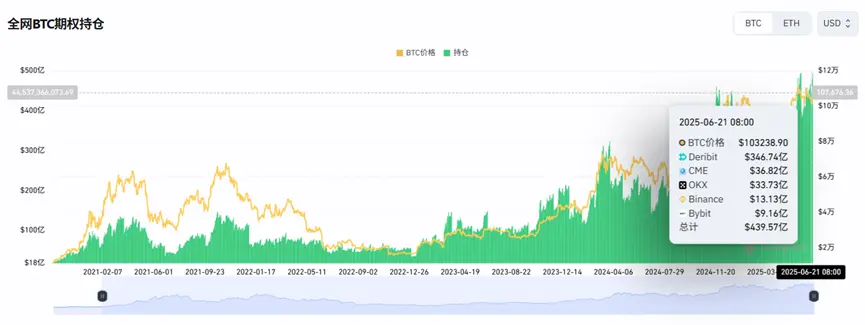
Deribit Exchange dominates the BTC options market. According to Coinglass data, it holds approximately 80% of the global BTC options market share.
How do exchanges establish themselves and secure a niche through differentiation?

Source: Coinglass

II. Asset Security and Transparency: The Cornerstone of Trust

User asset security is the lifeblood of an exchange. An exchange's clean asset ratio reflects the quality of the platform's real, redeemable assets and is a core indicator of an exchange's fund security and financial health. A higher ratio indicates a lower likelihood of the exchange misappropriating user assets or relying on high-risk leverage.

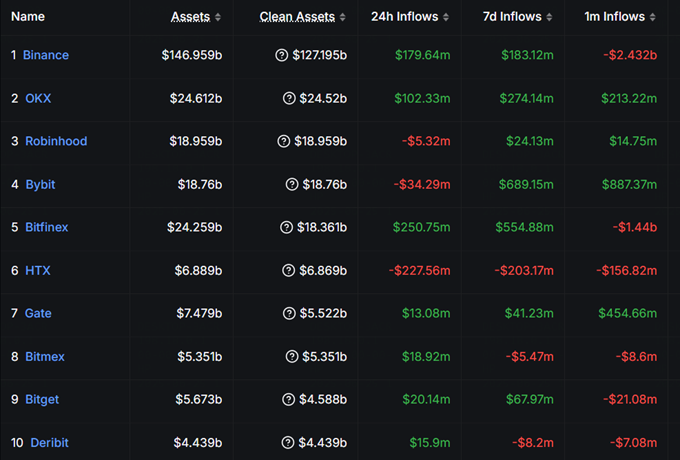
DefiLlama provides the clean asset ratios of some exchanges.
How do exchanges gain a foothold and secure a niche through differentiation?

Source: DefiLlama

Among them, Robinhood, Bybit, Bitmex, and Deribit have a 100% clean asset ratio, indicating that these platforms' reserves are almost entirely comprised of highly liquid assets such as BTC, ETH, and stablecoins.

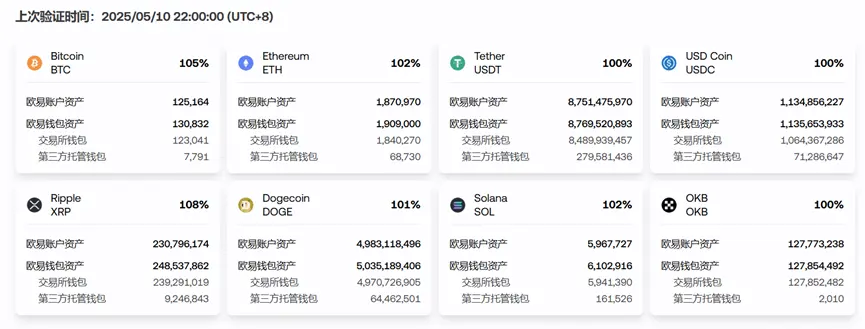
Proof of Reserves (PoR)ensures that custodians maintain sufficient on-chain reserves to cover all assets on the exchange's books and maintain the ability to accept payments. Leading exchanges such as OKX have proactively disclosed detailed PoR data on their official websites. The following figure shows some token reserve proofs provided by OKX.

How can exchanges establish themselves and secure a niche through differentiation?

Source:https://www.okx.com/zh-hans-sg/proof-of-reserves

III. Fee Strategy: Improving Fund Efficiency and Attracting Users

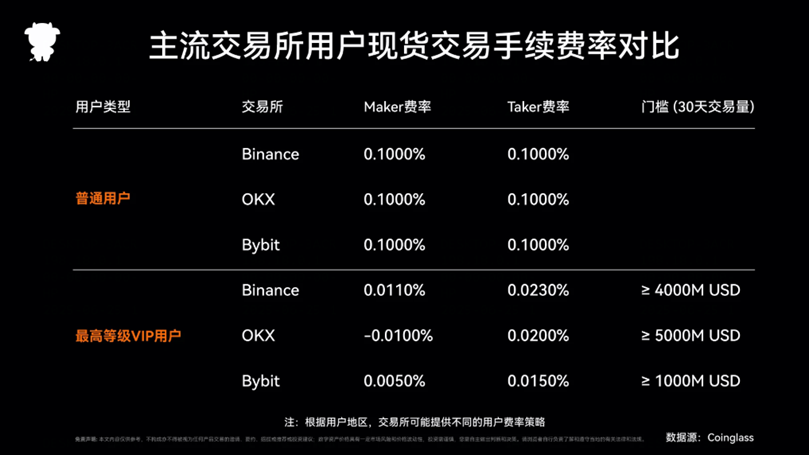
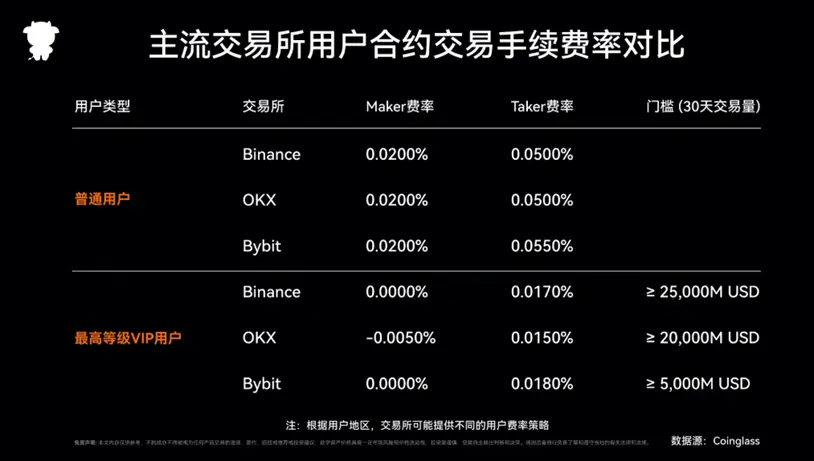
Fee strategies not only effectively improve the efficiency of user funds but also provide more targeted service options. Exchanges can enhance their competitive advantage in the market through differentiated fee strategies.

According to Coinglass data, the transaction fees for spot and futures trading on major exchanges are as follows:

How can exchanges gain a foothold and secure a niche through differentiation?

How can exchanges gain a foothold and secure a niche through differentiation?

A reasonable fee structure can provide users with more targeted service options, reduce transaction costs, and thus enhance the platform's attractiveness.

Four. Core Revenue Sources: Diversified Profit Models

The exchange's revenue structure supports its continued operation and development and primarily includes:

  • Transaction Fees: Transaction fees are a fixed percentage of fees charged by exchanges for each digital currency transaction completed by users. They are typically the exchange's core and most stable source of revenue, with significant economies of scale. Trading volume and platform activity directly determine the scale of revenue.
  • Withdrawal Fees: When users withdraw assets from an exchange to an external wallet, they must pay a network transfer fee (mining fee). Exchanges typically charge fees slightly higher than actual network costs.
  • Listing Fees: Listing fees are one-time or recurring fees paid by projects to the platform to list their tokens on the exchange. Leading exchanges typically have strong bargaining power and generate significant revenue from listings, making them a key factor in selecting projects.
  • Other Revenue: Includes advertising revenue, financial product revenue, platform token revenue, etc.

V. User Acquisition: Precision Reach and Conversion Path

Using the AIDMA Consumer Behavior Model (Attention -> Interest -> Desire -> Memory -> Action) Action can clearly depict the user conversion path, including:

  • Attention: Inducing user awareness through advertising/events
  • Interest: Stimulating users' desire to explore product features
  • Desire: Reinforcing benefits and triggering user impulses
  • Memory: Building brand awareness and forming a psychological anchor for users
  • Action: Ultimately converting users into purchasing behavior

Users from different backgrounds and exchanges of different sizes have different strategies.

For mature and new users, they often have some trading experience. Their AIDMA path begins with KOLs and project owners, sparking interest in the new exchange due to desirable features or activities. Lower transaction fees and low VIP thresholds spark a desire to use the exchange. Brand memory is formed through personal optimism or recommendations from friends, ultimately leading to conversion due to scarce currencies or exclusive events.

For novice users, who often lack trading experience, the AIDMA path typically begins on social media platforms or through recommendations from friends. Interest is piqued by the prospect of making money, leading to a desire to profit from the opportunity, building trust through recommendations from friends, and ultimately completing registration driven by the desire for low-cost profit.

Furthermore, large and small exchanges have different strategies.

Top exchanges, with ample capital, leading brands, a wide selection of products, and extensive KOL networks, typically leverage these advantages, focusing on brand building, top-tier channel placement, highly attractive rebate systems, and collaborative traffic generation programs to fill user gaps.

Small exchanges, limited by resources, often adopt aggressive strategies such as offering ultra-high commission rebates and being the first to list popular tokens (traffic tokens) in an effort to gain market share in niche markets or specific user groups.

VI. Platform Coin Empowerment: Building Ecosystem Value Using BNB as an Example

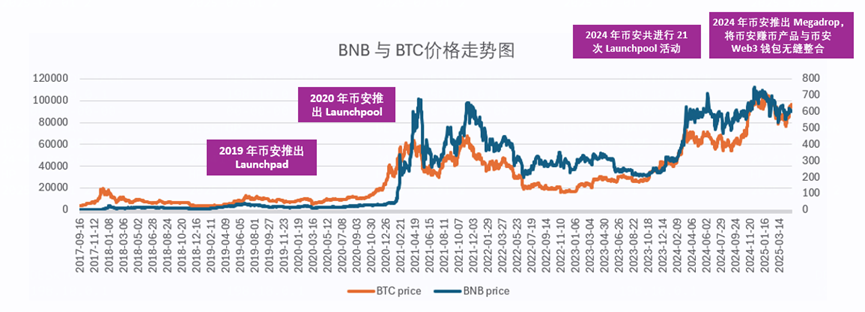
First, let's look at a price chart of BNB and BTC.

How can exchanges gain a foothold and secure a niche through differentiation?

The BNB and BTC price charts show similar price trends, with a medium-to-high correlation. During certain time periods, BNB outperformed BTC.

In Binance's white paper, BNB's main functions are:

  • Transaction fee discounts: This means that platform coin holders can enjoy transaction fee discounts within different holding ranges, effectively growing with the platform and sharing in trading dividends.
  • Participation in platform governance: Projects applying for listings are required to hold platform coins or pay a certain amount as a guarantee, and platform coin holders can vote on projects' coin selection.
  • Burning mechanism: Every quarter, Binance will use its profits to repurchase BNB and destroy it.

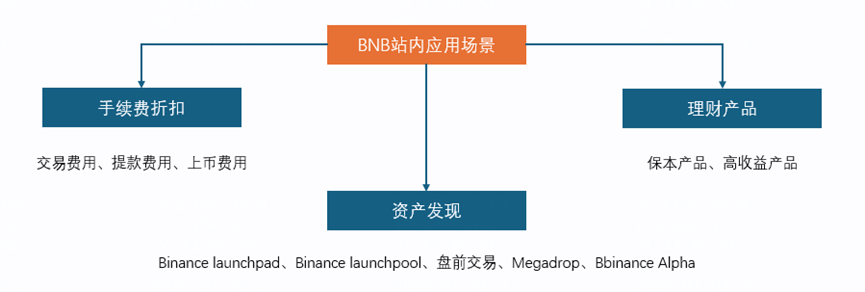
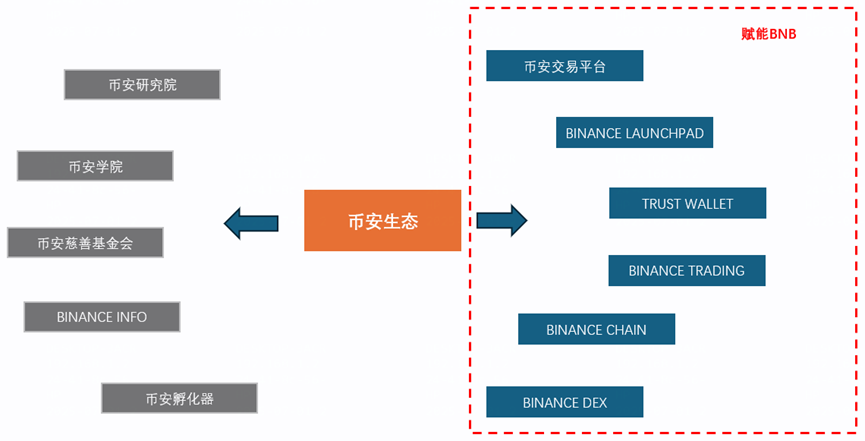
As the Binance ecosystem continues to grow, BNB's use cases are also expanding. See the image below:

How can exchanges gain a foothold and secure a niche through differentiation?

Across the Binance ecosystem, over 50% of applications are directly powered by BNB.

How do exchanges establish themselves and secure a niche through differentiation?

Therefore, platform coins are a crucial vehicle for the value of an exchange's ecosystem. Taking Binance's platform coin, BNB, as an example, its successful empowerment is reflected in:

  • Value Foundation:BNB's inherent trading properties and economic model with a built-in burn mechanism lay the foundation for BNB's value anchor.
  • Core Medium:Binance has promoted BNB as a core medium for the issuance of crypto assets through the launch of Launchpad, Launchpool, and Megadrop.
  • Application Support: Binance's full-stack public blockchain network, BSC, opBNB, and GreenField, boasts thousands of on-chain DApps and nearly one million active addresses, further expanding BNB's application scenarios.
  • Brand Effect: Binance's brand influence has enabled BNB to further expand its market share. Similar to BTC and ETH, it is poised to become a mainstream national reserve asset.

VII. Crisis Response: Bybit's Example of averting danger

In February 2025, Bybit suffered a $1.5 billion Ethereum hack, which blockchain analysis firm Elliptic called the largest cryptocurrency theft in history. Its exemplary response highlights the key elements of crisis management:

  • Mature Emergency Response Mechanism: Bybit has established a sophisticated internal "P-1 Event" emergency response mechanism, conducting monthly simulation drills for major crises (such as outages and funding leaks). This ensures that when an incident occurs, management can be immediately notified to assemble an emergency response team and implement emergency response measures.
  • Transparent Communication at the Top: CEO Ben personally handled crisis public relations, issuing a handwritten tweet and livestream within 40 minutes, directly addressing users in detail about the incident, effectively preventing information distortion and significantly enhancing public trust.
  • Efficient Asset Filling: By pledging BTC and USDT to borrow ETH from partners, the $1.5 billion gap was filled in just three days, avoiding the potential price spike of ETH that would have been caused by direct market purchases.
  • Systematic Security Hardening: Comprehensively strengthen security systems after an incident, deepen anti-fraud ecosystem cooperation, and reduce reliance on third-party components to fundamentally enhance defense capabilities.

Summary

To survive and differentiate themselves in the fierce competition, cryptocurrency exchanges must build comprehensive competitiveness across multiple dimensions: At the fundamental level, ensure leading trading volume and market presence, and prioritize asset security and transparency as the cornerstones of trust. Operationally, they must design attractive fee strategies, precisely target user groups, and optimize customer acquisition. Value-added services must be deeply empowered through platform tokens, making them the core value carriers of the ecosystem. Risk management requires establishing comprehensive crisis warning and response mechanisms. Only by continuously innovating across multiple key dimensions and cultivating unique advantages can exchanges earn user trust and maintain their position in this rapidly changing market.
Share to:

Author: ReginaHalf

This article represents the views of PANews columnist and does not represent PANews' position or legal liability.

The article and opinions do not constitute investment advice

Image source: ReginaHalf. Please contact the author for removal if there is infringement.

Follow PANews official accounts, navigate bull and bear markets together
Recommended Reading
35 minute ago
1 hour ago
3 hour ago
5 hour ago
6 hour ago
7 hour ago

Popular Articles

Industry News
Market Trends
Curated Readings

Curated Series

App内阅读