
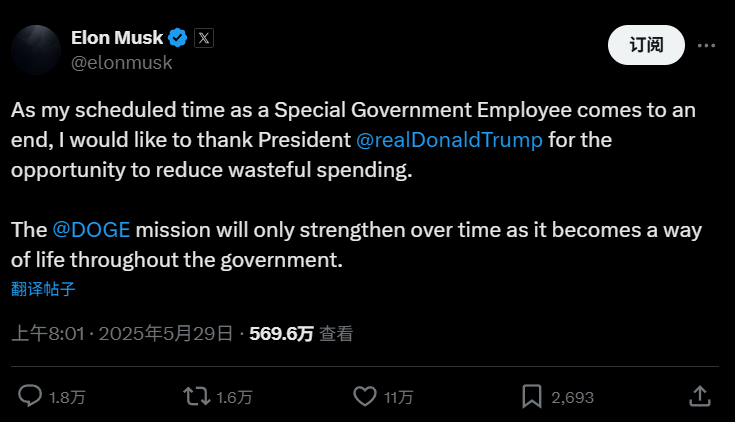
On May 29, 2025, Elon Musk announced through the X platform that his 130-day term as a "Special Government Employee" (SGE) of the Trump administration has ended, and he has officially withdrawn from the Department of Government Efficiency (DOGE). According to people familiar with the matter, Musk did not have a formal meeting with President Donald Trump before leaving, and White House officials confirmed that his resignation process was initiated that evening. This reform experiment, known as the "efficiency revolution", cut $100 billion in federal spending and reshaped the bureaucracy with Musk's entrepreneurial thinking and technology-driven approach, but it also left deep controversy due to legal disputes, conflicts of interest and political backlash.
1. The birth of DOGE: Musk’s special role
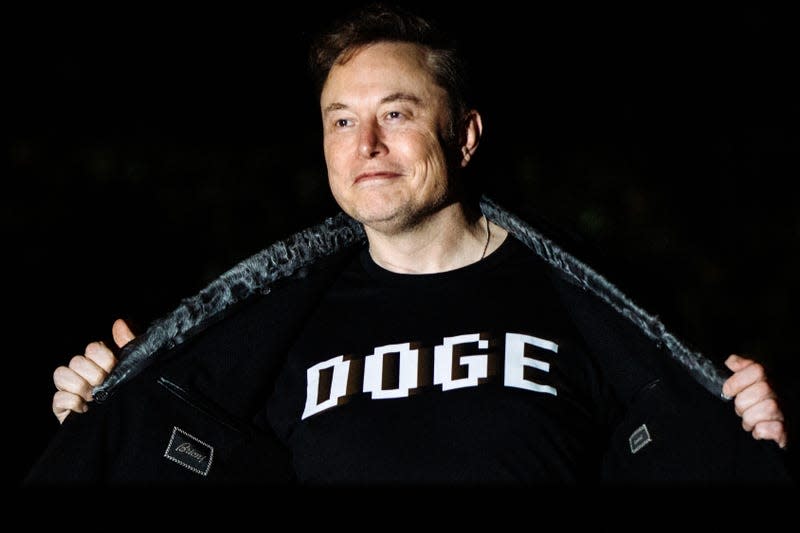
On November 12, 2024, Trump announced the establishment of DOGE, appointing Musk and entrepreneur Vivek Ramaswamy to co-lead it, with the goal of "dismantling bureaucracy, cutting wasteful spending, and restructuring federal agencies." The name of DOGE was inspired by Musk's favorite "Dogecoin," which not only carries the joke of meme culture, but also highlights its subversive intentions. On January 20, 2025, Trump officially established DOGE through Executive Order 14158. Musk took office as a "special government employee" and was granted 130 days of government work authority each year, with extensive powers of budget review, agency restructuring, and data access.
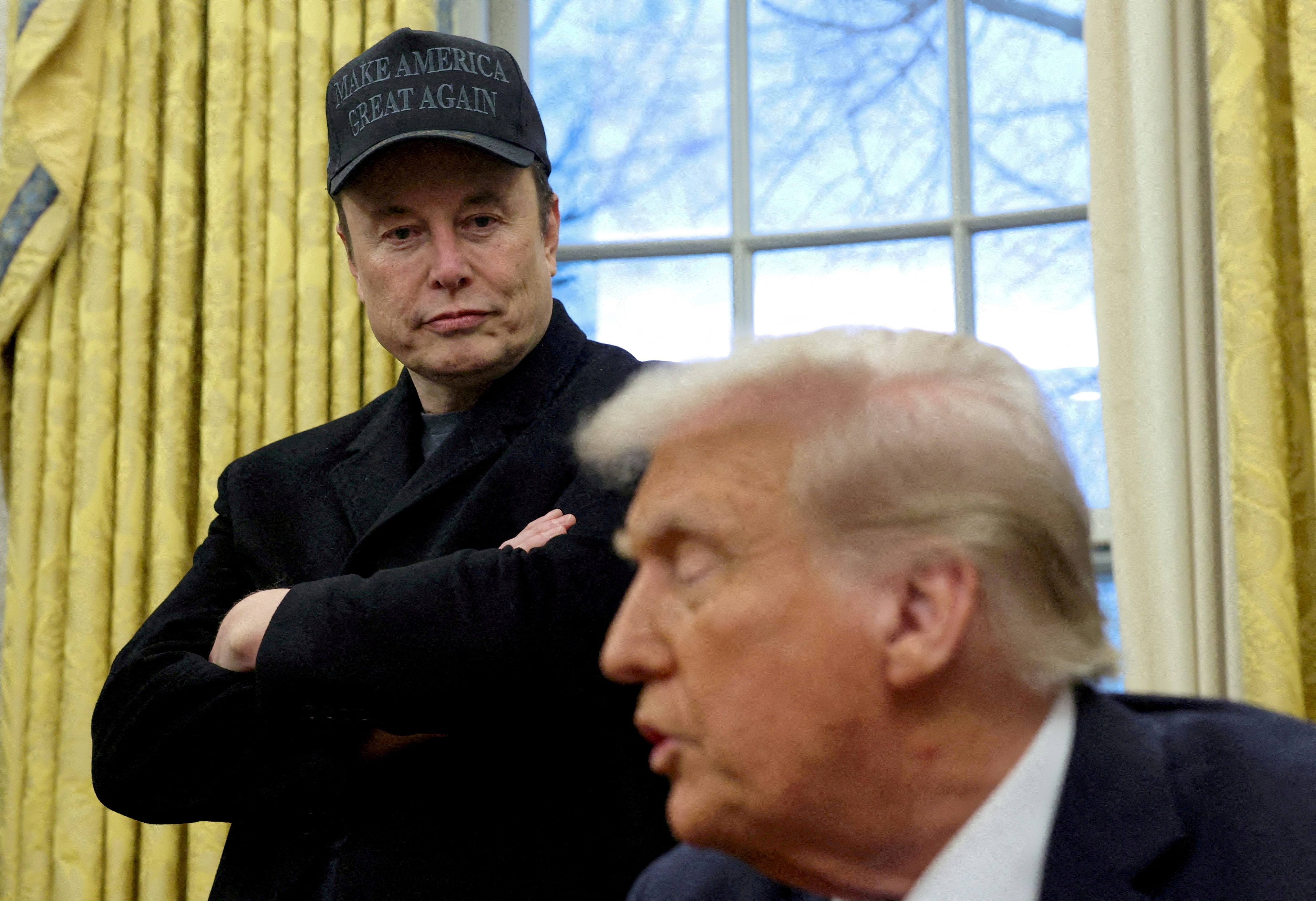
Musk's role is ambiguous and controversial. The White House defines him as a "senior adviser to the president," emphasizing that he has no direct decision-making power and only conveys the president's instructions. However, Musk is actually deeply involved in budget cuts, personnel adjustments, and agency cuts, far beyond the scope of an advisor. People familiar with the matter revealed that he rarely has formal talks with Trump, and more often issues direct instructions through the X platform and internal memos, showing a highly autonomous style of doing things. This special identity gives him flexibility, but it has raised questions about conflicts of interest due to his companies SpaceX (which holds $22 billion in government contracts) and Tesla (which faces multiple federal regulatory investigations). Critics believe that Musk's business background may cause his reforms to favor private enterprise interests rather than public welfare.
2. The “Three Axes” of Reform: Radical Practice of Enterprise Thinking
Musk introduced the lean management philosophy of Tesla and SpaceX into the government and proposed three major strategies: eliminating agencies, persuading civil servants to resign, and digital transformation. These measures reshaped the federal government within 130 days, but also triggered a dramatic social and political response.
First, Musk led the closure of the United States Agency for International Development (USAID), the Consumer Financial Protection Bureau (CFPB), and the Federal Department of Education, laying off about 13,900 employees and saving more than $30 billion in annual budget. The closure of USAID was particularly shocking. Musk called it an "inefficient criminal organization" on the X platform, accusing it of benefiting recipient countries with only 10% of foreign aid. On January 24, 2025, Trump froze almost all foreign aid, the USAID website was closed, and employees were banned from entering the headquarters building. Musk called it "sending it into a meat grinder." The move sparked criticism from the international community, and several non-governmental organizations warned that the United States' global soft power was damaged.
Secondly, Musk launched a "civil servant resignation plan" and sent emails to 2 million federal employees, encouraging them to resign voluntarily with "8 months' compensation" and requiring them to submit weekly work progress reports to "prove their own value". Those who did not respond were deemed to have resigned automatically. This policy led to the resignation of thousands of civil servants, but also caused dissatisfaction among grassroots voters, especially the decline in the quality of veterans' benefits and social security services. Musk also publicly questioned the source of wealth of congressmen, pointing out that congressmen with an annual salary of $200,000 have tens of millions of assets, which helped promote Trump's "anti-establishment" narrative and aroused populist resonance.
Finally, Musk introduced his experience in the technology industry, emphasizing artificial intelligence and big data analysis. The DOGE team developed an AI-driven budget analysis system, identifying $365 billion in "suspicious" expenditures in the social security system, such as the number of registered people exceeding the US population by 60 million, including 1.34 million "elderly people" over 150 years old. In addition, DOGE found that $4.7 trillion in Treasury payments lacked tracking codes, prompting the Treasury Department to compulsorily fill in access identification (TAS) from February 15, 2025. These technical means have improved the transparency of funds, but because they involve sensitive data, they have caused privacy and security disputes.
III. Achievements: Hundreds of Billions in Reductions and Political Dividends
Musk's reforms have achieved remarkable results in the short term, bringing both financial and political dividends to the Trump administration. As of April 2, 2025, DOGE cuts $130 billion in federal spending, saving more than $4 billion a day, reducing the annual budget from $7.2 trillion to $6.1 trillion, and reducing the deficit ratio by 1.8 percentage points. By canceling inefficient projects, integrating office space, and selling idle assets (such as Alaska military bases and state-owned land in Utah), DOGE has recovered more than $72 billion, the highest record since the Cold War. Trump proposed to use 20% of the savings for "DOGE dividends" and planned to issue a $5,000 tax refund check to each taxpayer, which sparked widespread discussion.
The reform also won political capital for Trump. Musk's actions were portrayed by conservative media as a benchmark for "draining the Washington swamp," and Trump's poll approval rating in swing states rose by 3.5 percentage points. By publicly questioning government waste, Musk provided public opinion support for Trump's "strongman politics" and accumulated political chips for the 2028 election. In addition, relying on Supreme Court rulings (such as the 2022 West Virginia v. EPA case), DOGE revoked a number of "overreaching" regulations and simplified administrative procedures, such as abolishing some EPA carbon emission standards and electric vehicle infrastructure cybersecurity requirements, creating a relaxed environment for companies such as Tesla.
IV. Right and Wrong: Legal Disputes and Social Backlash
Musk's radical reforms have triggered multiple challenges and exposed the contradiction between efficiency and fairness. DOGE's operations have been accused of violating the Privacy Act and the Sunshine Government Act, and it faces 19 federal lawsuits, including class action lawsuits for forced access to civil servants' health data. On February 8, 2025, District Judge Paul Engelmayer banned DOGE from accessing the Treasury Department's payment system on the grounds that sensitive information could be leaked. Harvard Law Professor Lawrence Tribe believes that DOGE was established without the authorization of Congress, which is unconstitutional and its power needs to be confirmed by the Senate.
The reform also triggered backlash inside and outside the government. The Pentagon, the State Department and other departments refused to implement the "mandatory weekly report" policy, and cabinet officials complained that Musk was overstepping his responsibilities. Republican Senator Marco Rubio criticized the closure of USAID for damaging US diplomatic interests. Grassroots voters protested the impact of layoffs on public services, such as the decline in social security and Medicaid services. Some Republican lawmakers called for cautious reforms due to pressure from their constituencies to avoid affecting the midterm elections.
Musk's failure to withdraw from SpaceX and Tesla has raised questions about conflicts of interest. The progressive think tank Public Citizen criticized DOGE's deregulation policy for serving Musk's business empire. Musk's promise of "maximum transparency" was not fulfilled, some actions were not publicly recorded, and congressional oversight was limited, weakening the legitimacy of the reform.
5. Legacy and Reflection: The Future of the Efficiency Revolution
DOGE is scheduled to be disbanded on July 4, 2026, coinciding with the 250th anniversary of the U.S. Declaration of Independence, symbolizing the "gift of streamlined government." Whether its $1 trillion deficit reduction goal can be achieved remains in doubt. The reform saved $130 billion and boosted political capital, but cuts to Social Security and Medicaid led to a decline in services for vulnerable groups, and the closure of USAID damaged the U.S. international image. AI-driven budget analysis improves efficiency, but privacy issues remain unresolved.
Musk's "efficiency revolution" is a collision of corporate thinking and bureaucracy, which has achieved fiscal and political dividends in the short term, but its long-term stability is questionable. Its legacy raises a core question: Can the government operate like a business? Musk's answer is yes, but he also admits the "temporary difficulties" of reform. In the future, whether DOGE's mission will become the norm for governments, or just a short-lived storm, the answer will be revealed in 2026.