

1. Genius Act: Stablecoins are legalized, and any company can issue USD-pegged coins
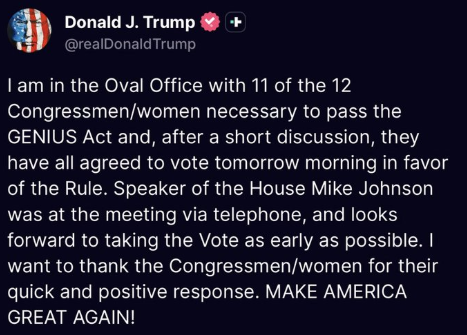
The core of this bill is that stablecoins can be legally issued under the federal regulatory framework as long as they meet the audit and 1:1 US dollar reserves requirements.
Who can issue? Any competent company or bank, including:
JPMorgan
PayPal (has launched its own stablecoin)
Walmart (has huge consumer data)
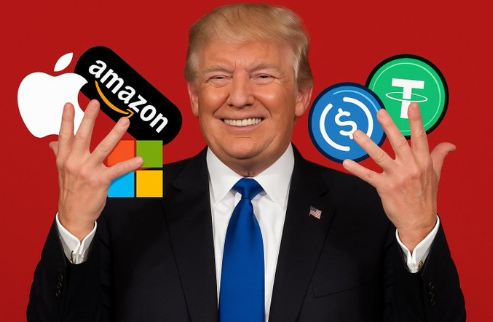
Apple and Amazon (natural payment ecosystem and global reach)
This means that in the future you can use "Apple Coin" to spend in the App Store, or use "Amazon USD" to shop around the world, or even use it for employee salaries and point rewards. Everything will be legal, compliant, and seamlessly connected to the chain and the real world.
2. Clarity Act: The vast majority of crypto assets are defined as commodities
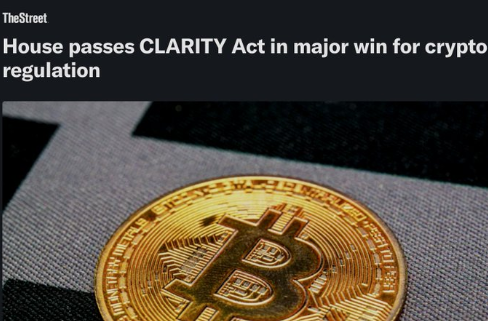
The bill removes most crypto tokens from the category of “securities” and reclassifies them as “commodities,” transferring regulatory authority from the SEC to the CFTC.
This will bring about several major changes:
End the era of "suing project parties out of thin air"
The risk of listing new coins on exchanges is greatly reduced
The project can be legally released in the United States without fear of SEC liquidation
Venture capital and institutions finally have a legal basis to enter the market
In the past few years, major capital in the US market has been marginalized, but now it will flow back and start the "Builder Era".
3. Stablecoins will fully penetrate the banking and App ecosystem
This is no longer a prediction, it’s reality:
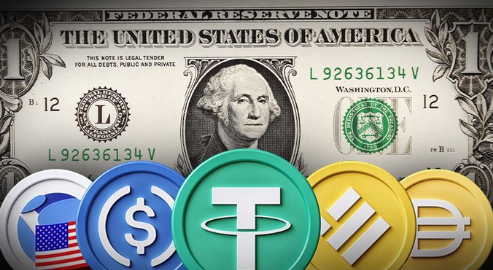
JPMorgan has deployed an internal stablecoin for settlement
PayPal launched the PYUSD stablecoin last year
Many banks have accepted USDC deposits
After the bill is passed, more commercial banks and technology giants will join the issuance
In the future, you will see the shadow of stablecoin in every App, banking system, POS machine, and payment portal. It will become the standard form of "on-chain dollar".
4. Traditional finance and real world assets (RWA) will be connected to DeFi through stablecoin entry
This transformation will bring about a new wave of infrastructure construction:
Tokenization of invoices and payroll
Corporate vault automation
AI-driven on-chain settlement system
RWA assets enter decentralized lending protocol
ETH and major DeFi protocols have been the first to feel this trend, and on-chain capital flows have begun to accelerate.
in conclusion:
This is not an ordinary policy fine-tuning, but an overall change in the United States' attitude towards crypto assets.
From hunting down developers to empowering innovators, from pushing it overseas to incorporating it into the nation’s financial architecture, crypto has finally become a legitimate part of the U.S. economy.
The law has been implemented
Funding is in place
Infrastructure under construction
Giants are ready to enter
The market has just started
ETH and mainstream assets will benefit first, and altcoins will usher in a second wave of outbreak.
This is the beginning of the next bull market, and will also be the starting point for the popularization of stablecoins, the formalization of DeFi, and the industrialization of Web3.
The future is no longer far away, it’s right in front of you—you can choose to participate in it, or continue to miss out.


