On the global financial stage, Bitcoin is no longer just a "toy" for investors, but has gradually become part of national strategy. In May 2025, a table titled "Countries Holding Bitcoin" circulated on the Internet, revealing the holdings of Bitcoin in countries around the world: the United States topped the list with 207,189 bitcoins, worth nearly $2.2 billion; China followed closely behind, holding 194,000 bitcoins; small countries such as Bhutan and El Salvador were also on the list, holding 13,029 and 6,089 bitcoins respectively. A total of 529,705 bitcoins are held by governments around the world, accounting for 2.522% of the total bitcoins. However, a name missing from the table has recently sparked heated discussions - Pakistan. The South Asian country announced the establishment of a national strategic reserve of Bitcoin and promised to "never sell it." This move not only put Pakistan on the cusp of cryptocurrency, but also made people wonder: Why are more and more small countries so keen to embrace Bitcoin?
Pakistan’s Bitcoin Ambitions: From Energy to National Reserves
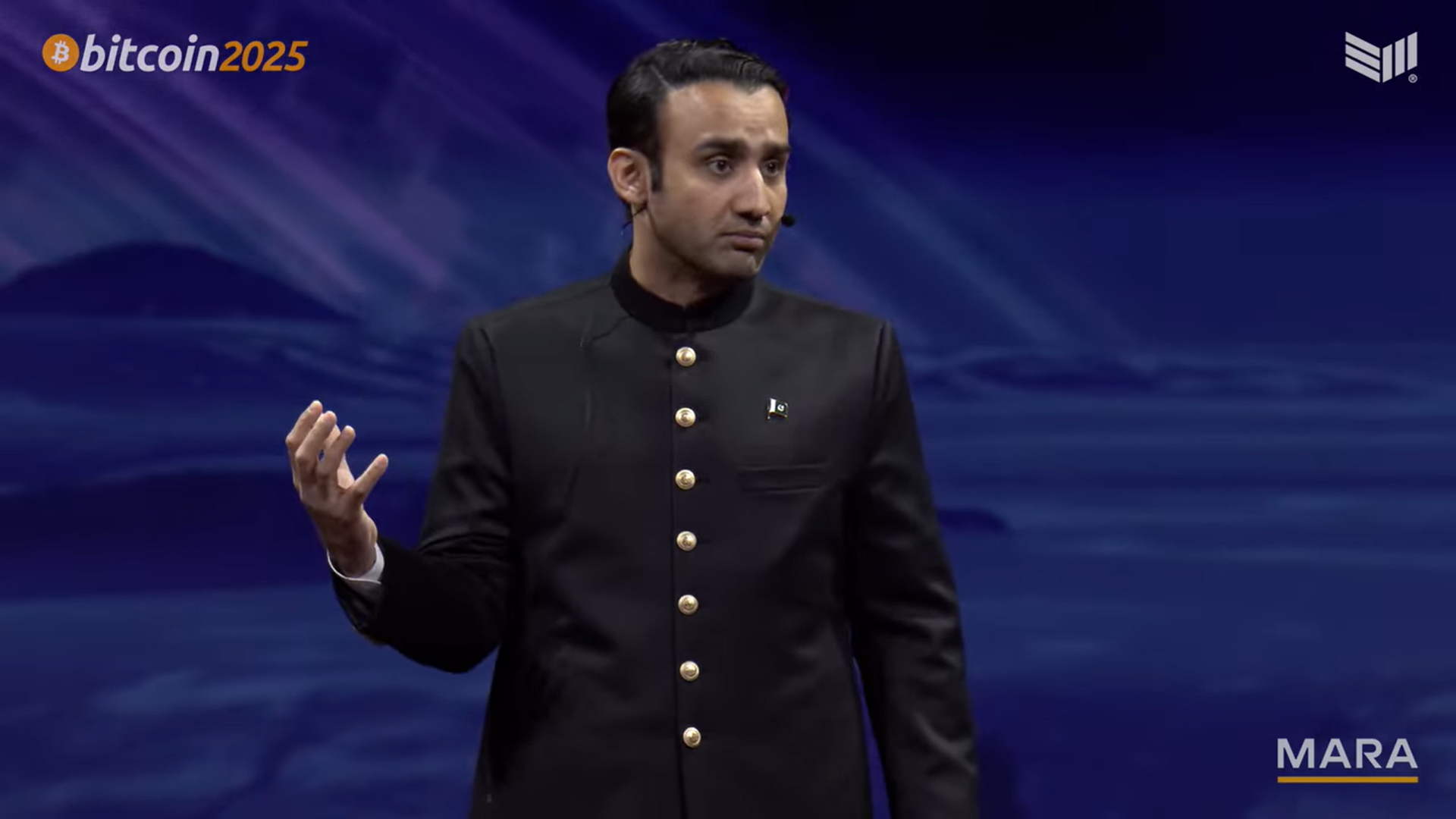
Pakistan's Bitcoin strategy kicked off amid a commotion. In May 2025, at the "Bitcoin 2025" conference held in Las Vegas, Pakistan's special assistant to the government and advisor on blockchain and cryptocurrency affairs, Bilal Bin Saqib, announced that Pakistan would establish a national strategic reserve of Bitcoin and follow the example of the United States in holding these assets for a long time. The inspiration for this plan is clear: the 207,189 Bitcoins held by the US government, worth approximately $2.196 billion, account for 0.987% of the total Bitcoin, and have become a "benchmark" in the eyes of many countries. Although the specific size of Pakistan's holdings has not yet been made public, its ambitions are obvious.
Pakistan's Bitcoin strategy does not stop at reserves. The government also announced that 2,000 megawatts of surplus electricity will be allocated to Bitcoin mining and artificial intelligence data centers. This move directly targets the country's energy pain points: coal-fired power projects such as Sahiwal and Port Qasim are currently operating at only 15% of their capacity, resulting in a large amount of electricity waste. Through mining, Pakistan hopes to convert these "idle energies" into economic value. At the current Bitcoin price (about $106,000 per coin), each mined Bitcoin can bring considerable income to the country. More importantly, this plan has also attracted the attention of foreign investors, and the government has attracted delegations from several mining companies through tax breaks.
At the same time, Pakistan's digital asset management framework is also accelerating. On May 22, 2025, the Pakistan Digital Asset Authority (PDAA) was officially established to regulate cryptocurrency transactions, DeFi applications and asset tokenization, and promote the application of blockchain technology in government affairs, land records and finance. The establishment of PDAA was proposed by the Pakistan Cryptocurrency Committee. The committee's advisors include former Binance CEO Zhao Changpeng, injecting international experience into policy making. PDAA also shoulders the mission of promoting the tokenization of national debt and supporting Web3 startups, trying to build Pakistan into a crypto hub in South Asia.
Pakistan's crypto user base is also impressive. It is expected that by 2025, the country's crypto users will exceed 27 million, accounting for more than 10% of the total population (247 million). This figure not only reflects the enthusiasm of the young population for digital assets, but also provides public support for the government to promote the crypto economy. From energy to policy to user base, Pakistan's Bitcoin strategy is advancing in multiple dimensions.
Small countries' bitcoin boom: From Bhutan to El Salvador
Pakistan is not an isolated case. Looking around the world, small countries have been exploring the field of Bitcoin for a long time. Bhutan, a small country at the foot of the Himalayas, has become an "invisible player" in Bitcoin mining with its abundant hydropower resources. According to the latest data, Bhutan holds 13,029 Bitcoins, worth about $138 million, accounting for 0.062% of the total. These Bitcoins were accumulated by the state-owned enterprise Druk Holdings through mining. The low cost of hydropower gives Bhutan an advantage in the mining competition.
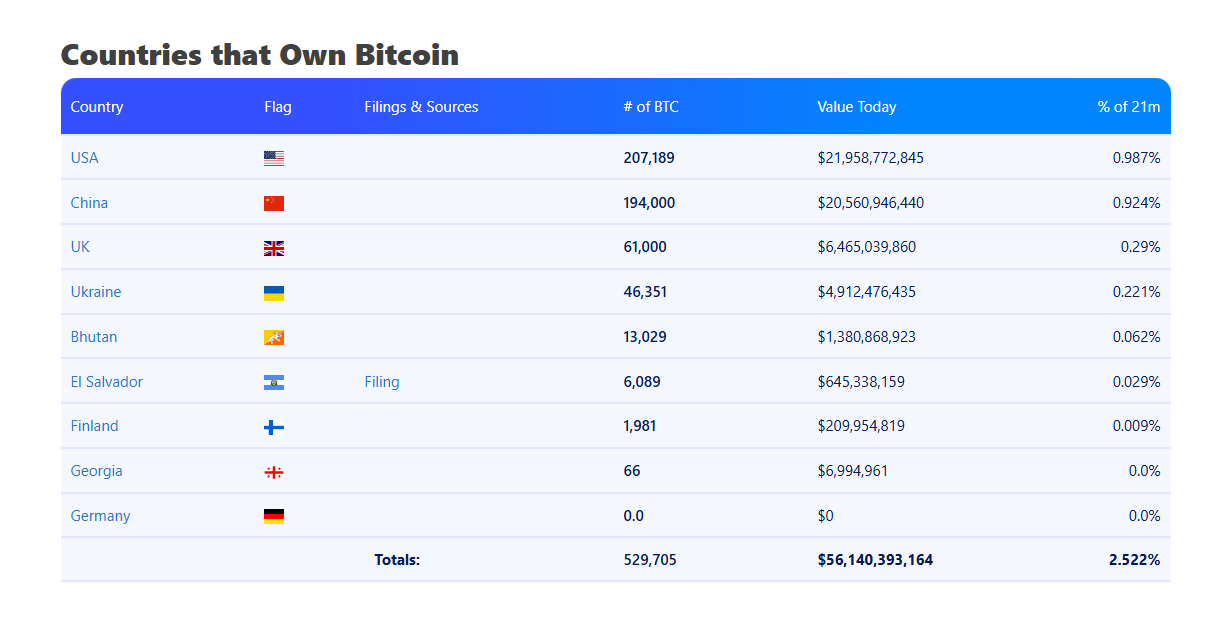
El Salvador is at the forefront of small countries' Bitcoin strategies. In 2021, the Central American country became the first country in the world to make Bitcoin a legal tender and continues to increase its reserves. As of May 2025, El Salvador holds 6,089 Bitcoins, worth approximately $64.53 million, or 0.029% of the total. Unrealized profits on its Bitcoin reserves have reached $357 million, showing the rewards of rising prices. However, El Salvador's Bitcoin journey is not an easy one. The International Monetary Fund (IMF) reached a $1.4 billion loan agreement with it in December 2024, but required it to maintain the existing reserve size and revise the Bitcoin Law to remove the mandatory acceptance of Bitcoin by the private sector. The IMF's cautious attitude reflects another side of Bitcoin: it is both an opportunity and a potential financial risk.
Ukraine's Bitcoin holdings bear the marks of war. During the Russian-Ukrainian conflict, Ukraine raised more than $100 million through cryptocurrency donations, which became an important source of its 46,351 Bitcoins (worth about $491 million). Ukraine's relatively open crypto policy has attracted a large number of Web3 startups, and its Bitcoin holdings account for 0.221% of the total, ranking among the top among small countries.
Georgia’s 66 bitcoins (worth about $6.99 million) appear paltry by comparison, likely a symbolic holding of early confiscated assets that has yet to develop into a clear national strategy.
Why are small countries so keen on Bitcoin? The interweaving of economy and geography
Behind the embrace of Bitcoin by small countries is the interweaving of multiple factors, including economics, geography, and technology. First, Bitcoin is seen as a tool to hedge against economic difficulties. Many small countries face the pressure of insufficient foreign exchange reserves, inflation, or high debt. For example, El Salvador's public debt accounts for more than 90% of GDP, and Pakistan is also burdened with heavy debt. The volatility of traditional financial markets - such as falling stocks and low bond interest rates - has led these countries to seek Bitcoin as an alternative asset. Its decentralized nature makes it free from the constraints of a single country's monetary policy, especially in a financial system dominated by the US dollar. Bitcoin provides small countries with a possibility to enhance economic autonomy.
Secondly, energy utilization is a direct driving force for small countries’ Bitcoin strategies. Bhutan’s hydropower mining is similar to Pakistan’s 2,000 MW power distribution plan. Many small countries have underutilized renewable energy or excess electricity. Bitcoin mining can not only monetize these resources, but also attract international mining and technology companies. If Pakistan’s coal-fired projects can be fully operated through mining, it will not only reduce electricity waste, but also bring considerable foreign exchange income to the country.
Furthermore, Bitcoin policy has become a "magnet" for attracting foreign investment. In the global Web3 and blockchain boom, small countries have attracted startups and capital inflows through loose crypto policies. Ukraine's crypto ecosystem has spawned a number of Web3 startups, and Pakistan's PDAA has also set a goal of supporting startups. This strategy not only brings direct investment, but also promotes technology transfer and job growth.
Finally, geopolitical considerations play an important role in the Bitcoin strategy of small countries. In the international financial system dominated by the US dollar, small countries are often in a passive position. The decentralized nature of Bitcoin makes it a potential "financial weapon" to help small countries gain more say in the global game. Pakistan has made it clear that its Bitcoin strategy is inspired by the US reserve plan, and the Bitcoin reserve policy promoted by the Trump administration in the United States in 2025 has further inspired other countries to follow suit.
Comparison between big and small countries: From seizure to strategic holdings
Unlike small countries, most of the Bitcoin held by big countries comes from law enforcement seizures. The 207,189 Bitcoins held by the United States mainly come from the Silk Road case assets confiscated by the FBI; the 194,000 Bitcoins held by China also come from illegal asset confiscation; and the 61,000 Bitcoins held by the United Kingdom are also mostly the results of law enforcement actions. The Bitcoin holdings of these big countries are more like "windfalls" rather than active strategies.
Small countries tend to accumulate Bitcoin through mining or policy purchases. Bhutan's 13,029 Bitcoins come from hydropower mining, while El Salvador's 6,089 Bitcoins are the product of national strategy. Although Ukraine's 46,351 Bitcoins are partly from donations, they also reflect its policy orientation of actively embracing cryptocurrencies. Although the proportion of Bitcoin held by small countries is low (accounting for a total of 2522%), it has greater strategic significance and aims to achieve economic diversification or hedge risks through Bitcoin.
It is worth noting that Germany emptied its Bitcoin reserves (about 50,000) in 2024 to repay debts. This move is in sharp contrast to the long-term holding strategy of small countries and also reflects the divergence of major countries on Bitcoin policies.
IMF's scrutiny and small countries' persistence
The road for small countries to embrace Bitcoin is not smooth, and the scrutiny of the International Monetary Fund (IMF) always follows. The case of El Salvador is the most representative. In December 2024, the IMF reached a $1.4 billion loan agreement with El Salvador, but required it to maintain the existing Bitcoin reserve size unchanged and revise the Bitcoin Law to cancel the mandatory acceptance of Bitcoin by the private sector. The IMF warned that Bitcoin reserves could increase El Salvador's debt risk. Despite this, El Salvador performed strongly in economic reforms and received the next $120 million loan from the IMF.
Pakistan is more forward-looking. Its Digital Asset Management Authority (PDAA) emphasized compliance with the regulatory standards of FATF (Financial Action Task Force on Money Laundering) at the beginning of its design, trying to win policy space under the scrutiny of the IMF. Pakistan's encryption policy is not limited to Bitcoin reserves, but also includes the extensive application of blockchain technology in government affairs and finance. This "comprehensive layout" may give it more flexibility in negotiations with the IMF.
The IMF's cautious attitude reflects the dual nature of Bitcoin: it is both an opportunity for economic transformation in small countries and a potential threat to financial stability. When embracing Bitcoin, small countries must find a balance between innovation and compliance.
Pakistan's unique advantages and challenges
Compared with other small countries, Pakistan's Bitcoin strategy is unique. First, its demographic dividend and crypto user base provide it with broad market potential. 27 million crypto users are not only a consumer group, but also a new force for blockchain technology innovation. Second, Pakistan's energy resources and geographical location make it a potential crypto hub in South Asia. The 2,000 MW power distribution plan not only absorbs excess energy, but also may attract investment from mining companies in the Middle East and China.
However, the challenges are also significant. Pakistan's power infrastructure is aging, and coal-fired projects may face environmental pressures. In addition, the volatility of the cryptocurrency market may pose a threat to the value of its reserves. Although El Salvador's Bitcoin reserves have a profit of $357 million, they have also experienced the test of sharp price fluctuations. More importantly, Pakistan needs to carefully advance policies within the IMF's regulatory framework to avoid restrictions on loan conditions.
Conclusion: Bitcoin Gambling in Small Countries
Pakistan's Bitcoin strategy is a microcosm of small countries embracing the digital economy. From Bhutan's hydropower mining to El Salvador's fiat currency experiment to Ukraine's wartime donations, these countries see hope for economic revival in the wave of Bitcoin. Bitcoin is not only an asset, but also the intersection of energy, technology and geopolitics. Through Bitcoin, small countries are trying to find their place in the global financial system.
However, this gamble is not without risk. The volatility of Bitcoin, regulatory pressure from the IMF, and infrastructure limitations may frustrate the ambitions of small countries. But as Bilal Bin Saqib said at the "Bitcoin 2025" conference: "Once misunderstood, now unstoppable." For Pakistan and countless small countries, Bitcoin is not only an asset, but also a belief - they are unwilling to be absent in the future of the digital economy.