

Author: Curry , Deep Tide TechFlow
On March 11, a company called Strive announced several things.
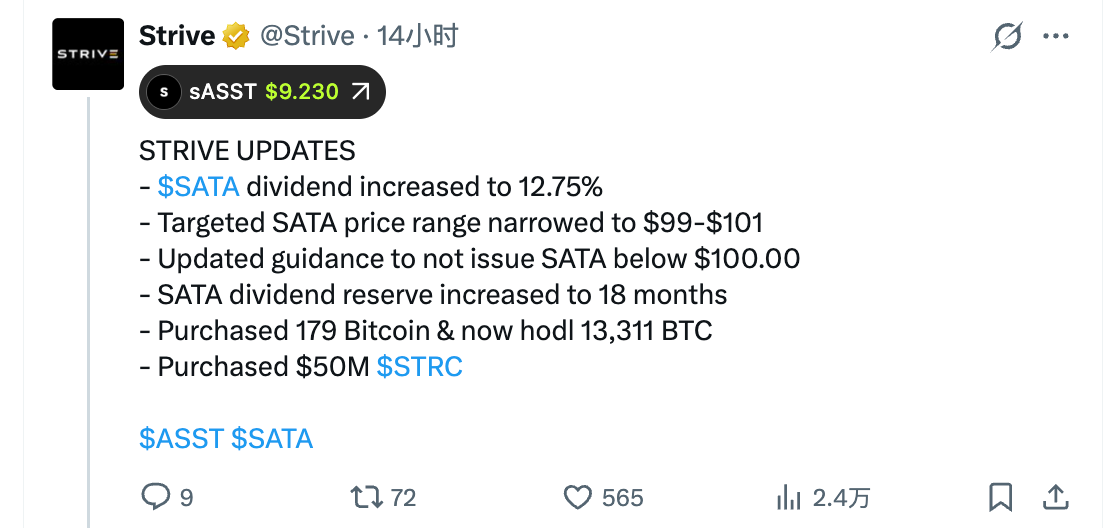
They added 179 Bitcoins to their holdings, bringing their total to 13,311, worth approximately $930 million. The dividend yield of their preferred stock, SATA, was increased to 12.75%. They also purchased $50 million worth of Strategy's preferred stock, STRC.
50 million, accounting for more than one-third of Strive's corporate treasury.
What does Strive do? It hoards Bitcoin. What does Strategy do? It also hoards Bitcoin.
The situation has become: a company that hoards Bitcoin used one-third of its money to buy shares issued by another company that hoards Bitcoin.
Jeff Walton, Chief Risk Officer at Strive, tweeted that STRCs are "high-quality credit products with good liquidity and a risk-reward ratio superior to traditional fixed income." In other words, we think they're better than government bonds.
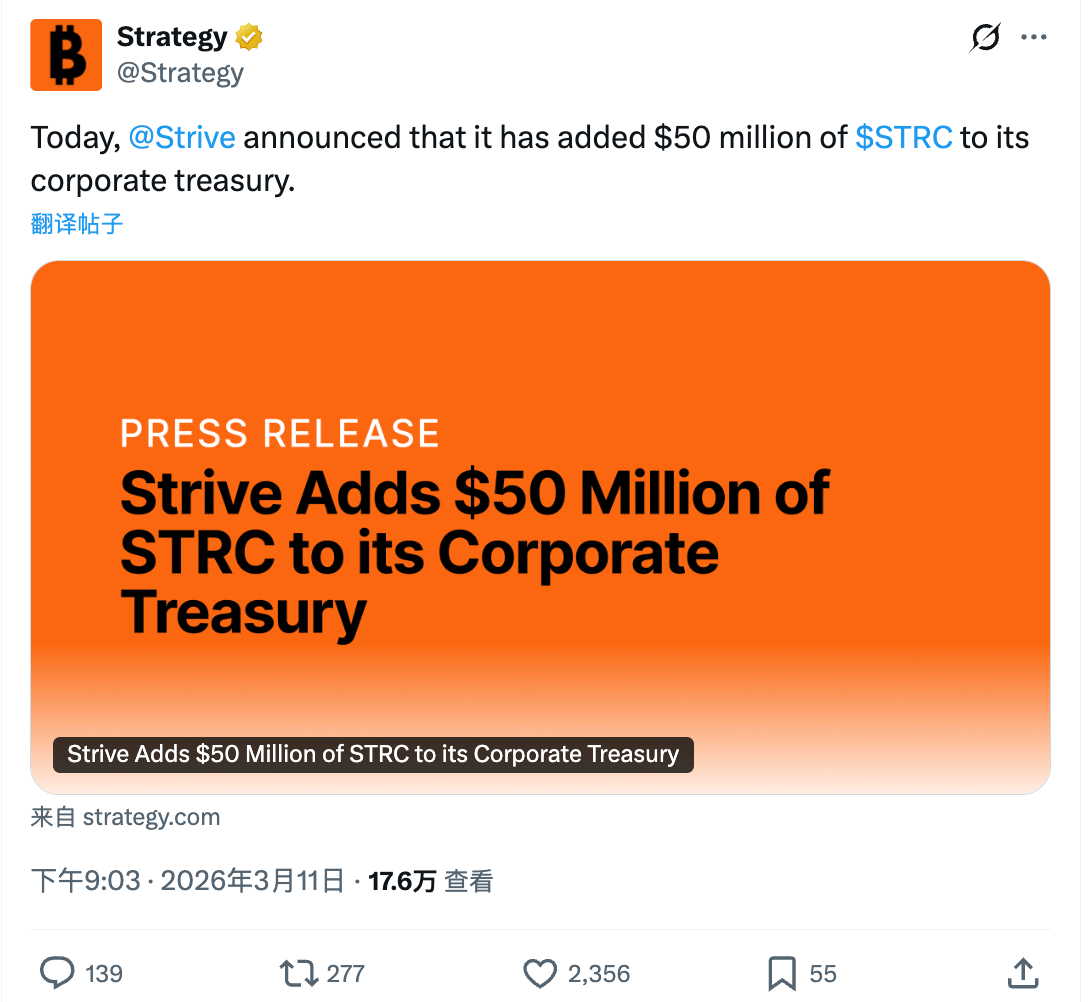
He also did the math, saying that if the $50 million were invested in US Treasury bonds, the annual interest would be only a few million. Investing in STRC, however, would yield an additional $3.9 million in annualized returns.
That sounds like a great deal.
But if you think about it carefully, where does the money for MicroStrategy to issue STRC come from?
Strategy raises funds through STRC, using the proceeds to buy Bitcoin. STRC will pay interest, provided that Strategy's Bitcoin holdings don't drop too drastically.
So the underlying logic of Strive's investment is: the Bitcoin I hoard will rise in value, the Bitcoin he hoards will also rise in value, and he can only pay me interest when the Bitcoin he hoards rises in value, and I can use that interest to hoard more Bitcoin.
This isn't called diversified investment; it's called nesting dolls.
In case you don't know Strive
Many people know Strategy (formerly MicroStrategy), but not many know Strive.
But the company now holds 13,311 bitcoins, worth approximately $930 million, just surpassing Tesla's holdings and ranking around tenth among global listed companies.
Strive's founder is Vivek Ramaswamy, a second-generation Indian immigrant with a bachelor's degree from Harvard and a graduate of Yale Law School. In 2022, he and his high school classmates founded Strive in Ohio to manage assets and issue ETFs.
Early investors included PayPal co-founder Peter Thiel and hedge fund manager Bill Ackman.
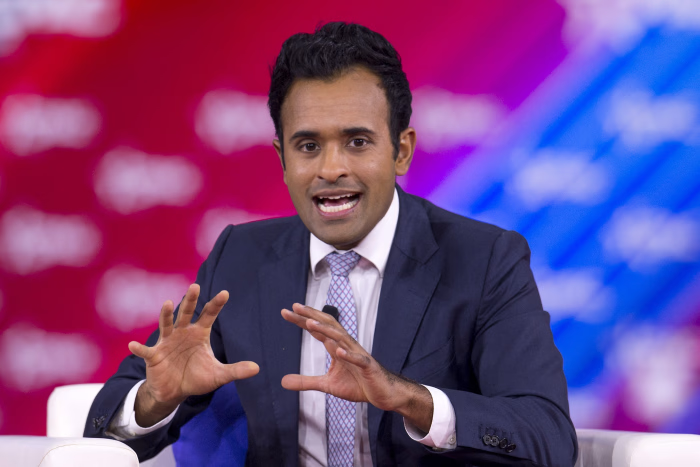
Within a year and a half of its launch, the fund's assets under management exceeded $1 billion. However, Vivek didn't stay long; he resigned in early 2023 to run for US president . He lost the Republican primaries to Trump, and this year he ran for governor of Ohio. Interestingly, both Trump and Musk endorsed him...
After Vivek left, the CEO who took over was Matt Cole, who previously managed $70 billion in the California Public Employees' Retirement System and has a traditional finance background. But last year he made a less conventional decision.
In September 2025, Cole announced Strive's transformation from a fund company into a "Bitcoin vault company." He spent $675 million to buy over 5,800 Bitcoins, at an average price of $116,000 per coin. That same month, he announced the acquisition of another publicly traded company, Semler Scientific, bringing the combined Bitcoin holdings to over 10,000.
Six months later, the holdings have grown to 13,311.
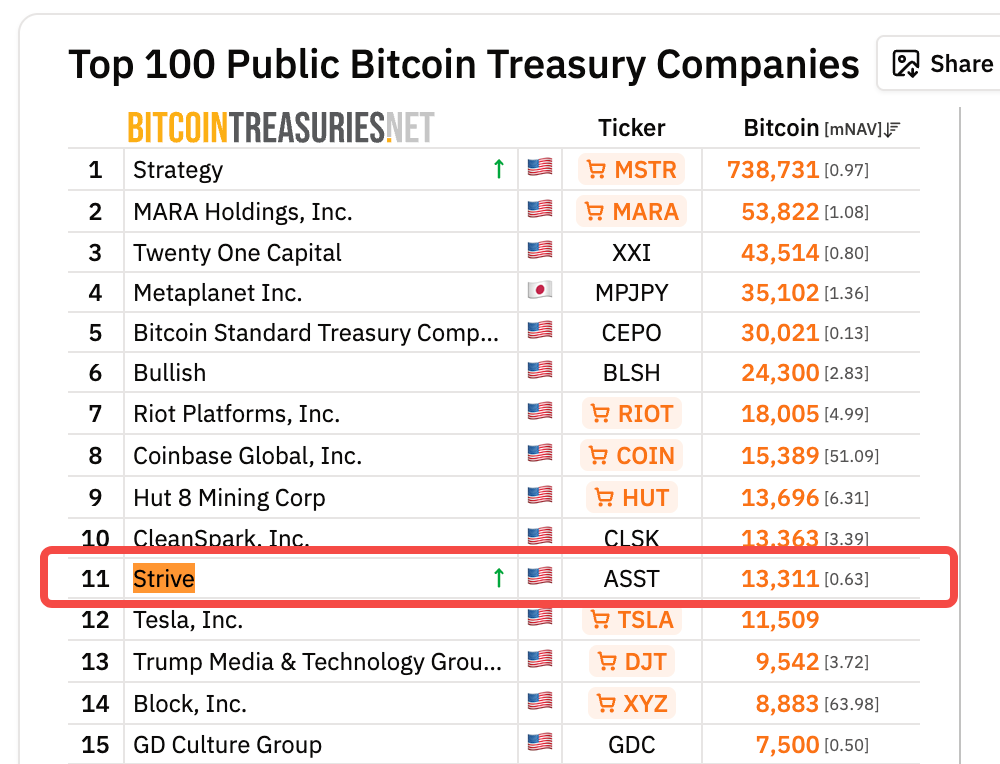
A fund company founded in 2022 became one of the world's top ten corporate Bitcoin holders just three years later. That's incredibly fast, so fast it makes you wonder:
What money was used to buy these Bitcoins?
Matryoshka dolls issue stocks
Where did Strive get the money to buy Bitcoin? It was raised through stock issuance.
Last November, Strive issued a type of preferred stock called SATA. Investors buy it, and Strive pays interest quarterly, currently at an annualized rate of 12.75%. Strive uses the funds raised to buy Bitcoin.
This game wasn't invented by Strive. The inventor was Michael Saylor.
Saylor's company, Strategy, holds over 730,000 bitcoins, making it the world's largest corporate bitcoin holder. Last year, he launched a similar product called STRC, where investors buy bitcoins and Strategy pays interest, currently yielding an annualized return of 11.5%. Strategy also uses the funds raised to buy more bitcoins.
Up to this point, the two companies are operating independently, following the same logic, and are unrelated to each other.
But the deal on March 11th connected the two lines. Strive bought STRC for $50 million.
The chain has become like this:
Strategy issues STRC to raise funds to buy Bitcoin, Strive buys their STRC to earn interest, and Strive then issues its own SATA to raise funds to continue buying Bitcoin and STRC.
Layer upon layer, each layer pays investors double-digit interest, and the confidence of each layer to pay interest comes from the same thing: Bitcoin cannot plummet.
When Bitcoin rises, everyone makes money. When Bitcoin falls, everyone's interest payments are in jeopardy, but no one can stop the loss alone, because your assets are someone else's liabilities.
Three layers of products, three layers of interest, three layers of investors. At the bottom is one asset: Bitcoin, which cannot afford to fall.
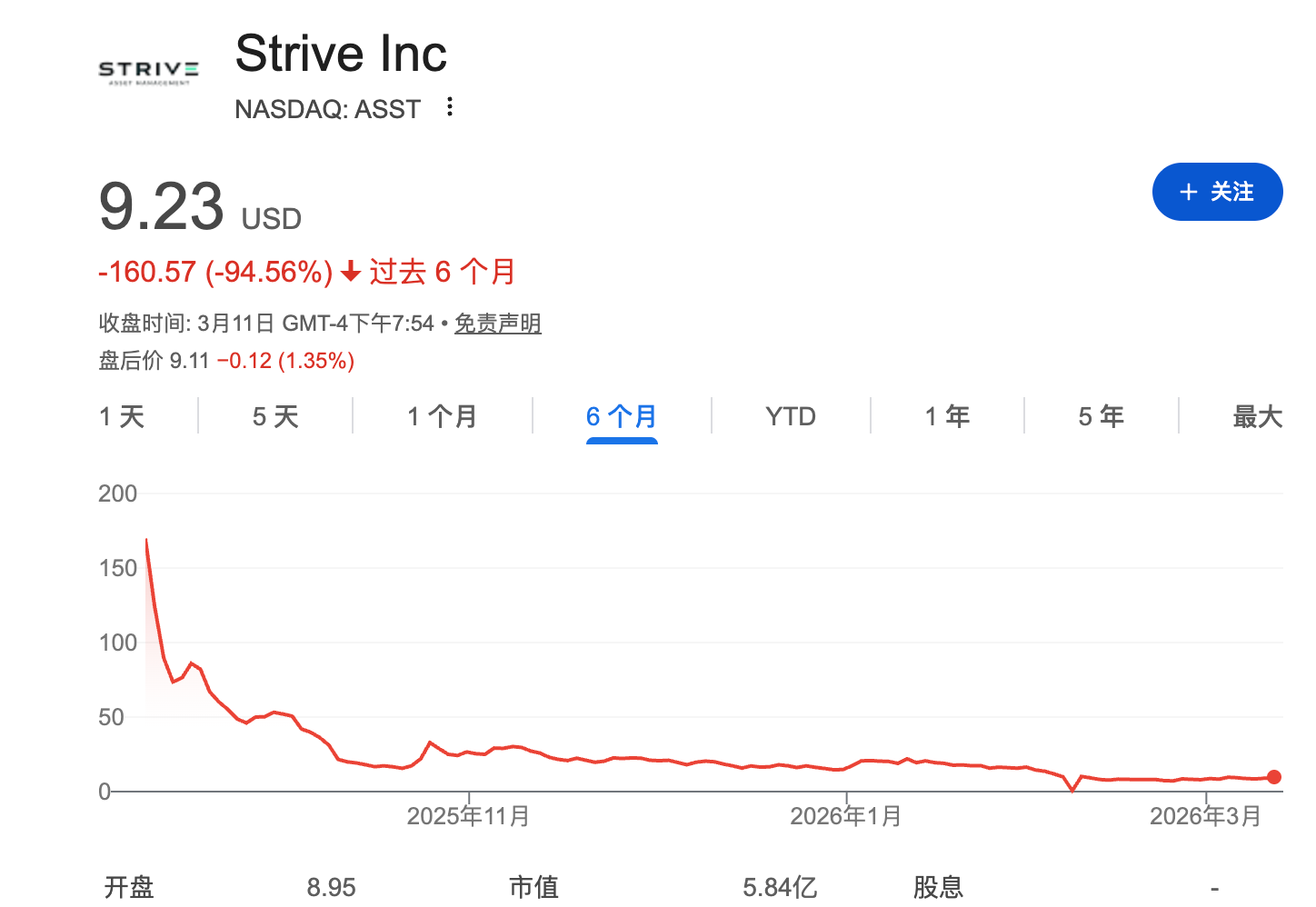
Strive's own stock, ASST, which reached a 52-week high of $268, is now less than $9, a drop of 97%. On the day the acquisition of STRC was announced (March 11), the stock price only rose by 5.52%.
In late October last year, ASST briefly fell below $0.80, nearly 50% lower than the net asset value of its Bitcoin holdings.
So here's the picture: a company holding $930 million in Bitcoin has a market capitalization of just over $500 million. Its stock price has plummeted 97% from its peak. But management is still increasing its investment—buying more Bitcoin, buying more STRC, and raising interest rates on SATA.
However, Strategy's own stock, MSTR, has fallen for eight consecutive months this year. Bitcoin has also retreated significantly from its highs last year.
But everyone on this chain is increasing their bets.
Strategy bought 66,000 new Bitcoins in the first two months of this year, more than any previous full year. While increasing its Bitcoin holdings, Strive also spent $50 million on STRC. SATA's dividend yield has increased from 10% at its IPO to 12.75%. STRC's dividend yield has also increased from 10% to 11.5%.
Higher and higher interest rates mean it's becoming increasingly difficult to retain investors, so prices have to be raised.
Data shows that there are now more than 200 publicly listed companies worldwide that have publicly announced the adoption of the "Bitcoin vault strategy." Before 2025, this number will be less than 30.
Saylor invented a new way of doing things, and 200 companies copied it. Now, they're buying each other's products.
When everyone's bets are placed on the same table, the difference between "structured financing" and "concentrated high-stakes gambling" might just be a few more arrows drawn on a PowerPoint presentation.


