By Stacy Muur & Binance Research
Compiled by: Felix, PANews
Binance Research released a report on the evolution of token models on June 12. Recently, crypto KOL Stacy Muur condensed the report. This article expands on the 10 key points to give a comprehensive overview. The following is the content details.
1. In the ICO era, only 15% of projects can be listed on exchanges
In the ICO era, only 15% of projects were able to enter the exchange. 78% of them were outright scams. The rest either failed or became irrelevant.
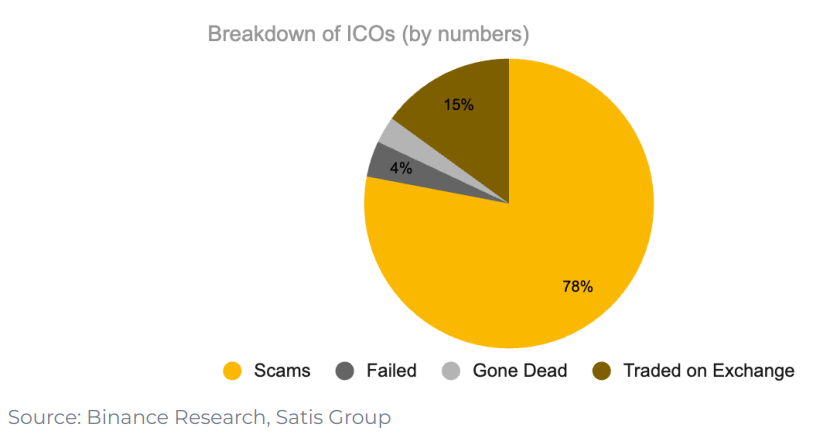
ICOs showed that there was a strong appetite among retail investors to participate in startup financing. It was a new funding channel that functioned like a free market - permissionless and without intermediaries. While many projects failed to succeed, it led to the future, making the remaining investors more savvy and more cautious in choosing companies to invest in. This ultimately gave rise to more resilient projects such as Aave, 0x, Filecoin, and Cosmos.
Key Takeaways:
- ICOs create an incentive dilemma for founders, which can hinder protocol growth
- ICOs have also attracted a wave of developers attracted by strong retail interest, although not all projects are built with an eye toward long-term sustainability.
- Overall, ICOs are a new form of capital formation that is open to everyone and demonstrates the strong interest of retail investors in participating in startup financing.
2. Liquidity mining has advantages in guiding protocol growth
Liquidity mining began with Synthetix in July 2019, and the model quickly became popular in the DeFi space. Compound Finance took the concept of liquidity mining a step further by giving governance rights to its tokens. Yield aggregation platform Yearn Finance borrowed the concepts of governance rights and liquidity mining and further iterated on them. Similar to Synthetix and Compound, the YFI token is used to bootstrap liquidity through liquidity mining and has governance rights to the protocol. Yearn Finance also uses liquidity mining as a fair launch mechanism.
3. Governance as Token Utility Didn’t Work
However, the idea of governance as token utility has not led to sustained demand for tokens. Take Uniswap as an example. After the airdrop, only 1% of UNI wallets increased their holdings, and most airdrop recipients sold their tokens. 98% of wallets never participated in the governance process (voting).
While these experiments in fair, targeted token distribution were well-intentioned, governance rights ultimately did not give token holders a compelling enough reason to continue holding on.
Key Takeaways:
- Liquidity mining was the first iteration of token distribution, which bootstrapped the protocol’s users through rewards and was later experimented with as a way to fairly distribute tokens.
- Retroactive airdrops have also been introduced as another form of token distribution aimed at rewarding organic usage of the protocol and achieving a wider distribution of governance participants.
- Governance rights are the first form of token utility, where token holders can participate in protocol-level decision making. However, given the reflexive nature of price declines when they begin, governance does not sustain demand in the long term.
4. The idea of a multi-token model to distinguish between speculative demand and native economy is difficult to implement
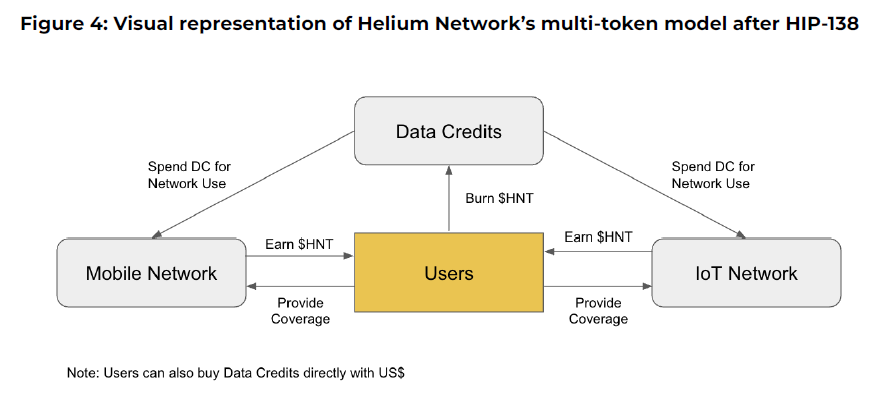
The novelty of liquidity mining goes far beyond the summer of DeFi. The ability to use protocol tokens for free as a tool to acquire resources has made Web3 game Axie Infinity and DePIN network Helium hugely successful in a short period of time. Instead of a single token model, both Axie Infinity and Helium used a multi-token model to distinguish between speculation and utility. One token was used for value accumulation and the other for network usage. But in both cases, this distinction did not work. Speculators flocked to buy the wrong tokens, incentives were misaligned, and value was fractured. In the end, both reverted to simplified models.
Key Takeaways:
- The concept of liquidity mining is further expanded to become a bootstrapping tool for other use cases such as gaming and DePIN
- The idea of a multi-token model to separate speculative demand from the native economy is difficult to execute and usually fails due to a lack of utility for one of the tokens.
- Token economics is an iterative process, and only when the product gains traction will the interests and needs of stakeholders become clearer.
5. Private equity financing influx: turning to valuation game
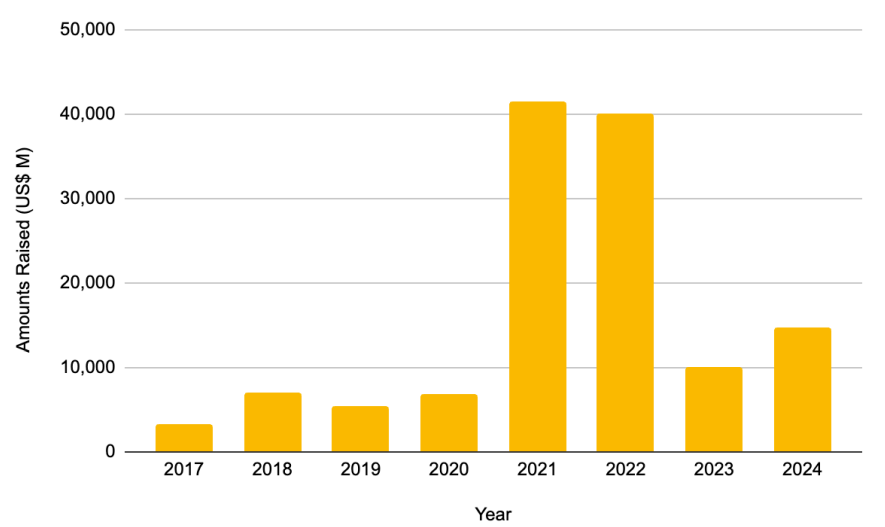
2021-2022 saw an explosion in private equity financings, raising $41.46 billion and $40.12 billion, respectively. To put it in perspective, the amount raised in 2021 alone was almost double the amount raised in 2017-2020 ($22.6 billion). This growth pattern has not been seen since.
To accommodate the influx of funds, projects begin to raise more rounds to accommodate more investors and extend their development path. Given the increase in funding rounds before the TGE, private investors often extend the token lock-up period, which results in a decrease in the proportion of circulating supply at the time of token issuance. Coupled with airdrops and point mining, this can lead to an artificially high metric, which helps to increase the launch FDV. Private funds inadvertently shift the focus from token utility to optimizing valuation.
6. After the L2 platform airdrop snapshot, bridging activity will decrease
However, after an airdrop ends, it is common to see a drop in protocol metrics (see chart below) as well as market valuations. This has led to a negative perception of the “low circulation, high FDV” issuance model that has been common over the past two or three years. 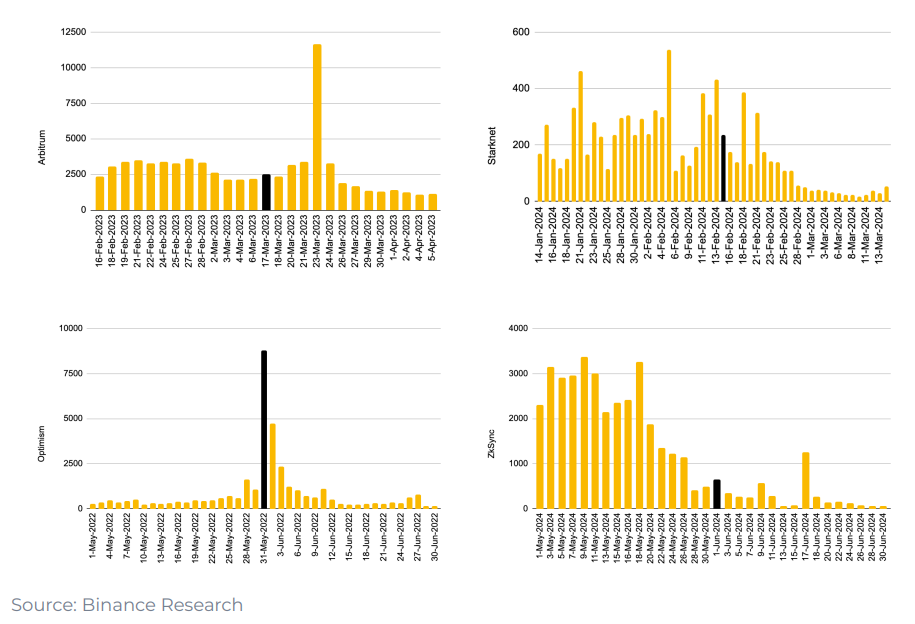
All well-known L2 platforms will see a drop in bridging activity after announcing the completion of the snapshot
7. Tokens with higher circulation and lower FDV perform better after listing
Circulating supply of recently issued tokens (yellow) has steadily increased compared to the analysis conducted in May 2024 (grey). This means that users can “vote with their wallets” and choose to abandon tokens with unfavorable token economics. Therefore, it is imperative that projects adapt to the needs of the community to see healthier circulating supply across all projects.
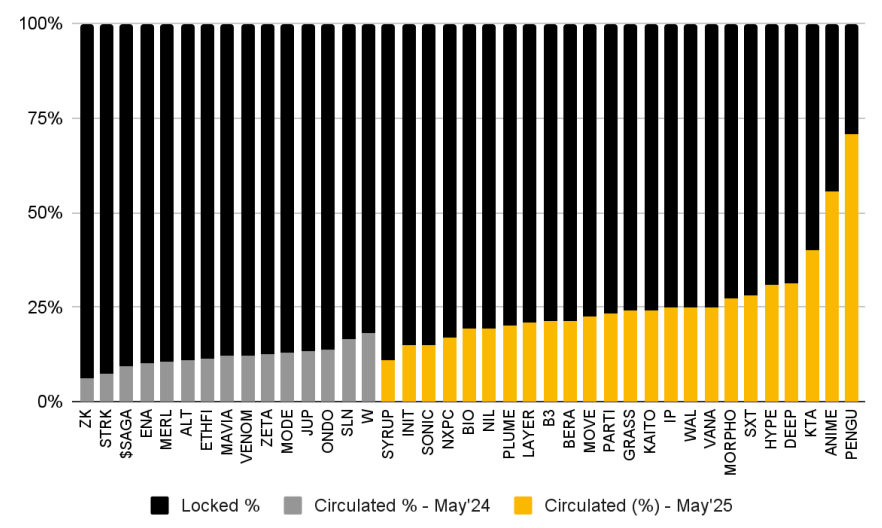
The circulation of recently issued tokens is on the rise compared to last year
Likewise, comparing recently issued tokens to the previous analysis shows a decrease in fully diluted valuations at issuance. The average FDV for recently issued tokens is $1.94 billion, compared to an average of $5.5 billion in the previous analysis.
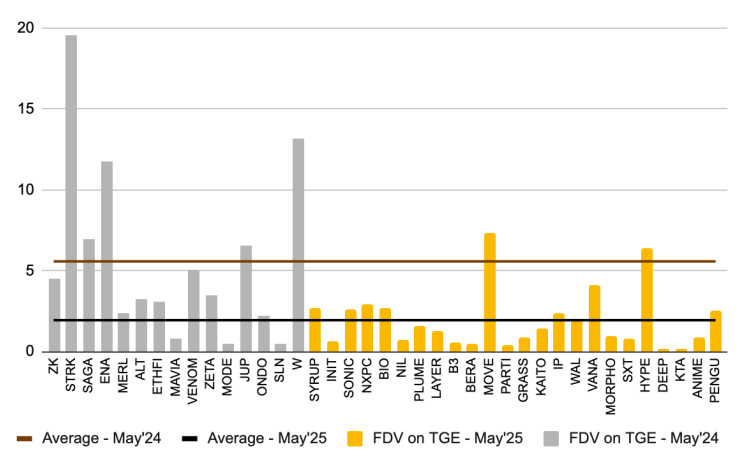
The average FDV of recent TGEs has dropped by more than 50% compared to TGEs a year ago.
Tokens issued recently with higher circulation and lower FDV have stronger price performance compared to the previously analyzed tokens in May 2024 (see chart below).
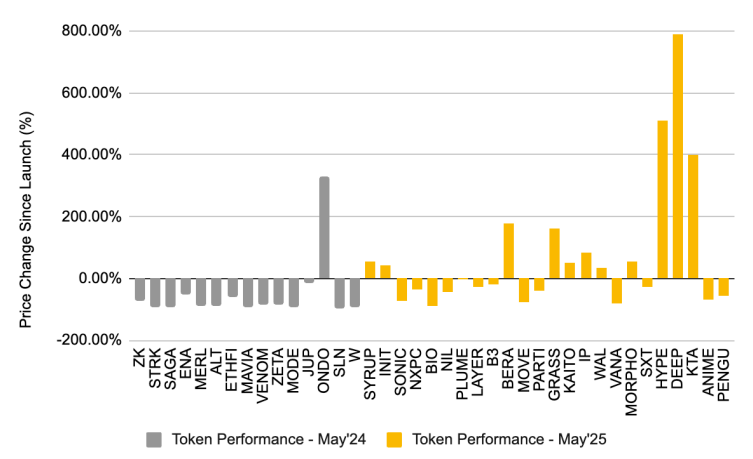
8. Token buybacks are recovering
In 2025, token buybacks have been on the rise, with projects such as Aave, dYdX, Jupiter, and Hyperliquid implementing such programs, using protocol revenue to purchase and destroy tokens from the market.
Projects that are able to successfully conduct token buybacks should be viewed as positive, as only financially strong projects can do this. The reality is that many crypto projects have failed to find product-market fit, and those that have still need to figure out the best way to promote organic demand for their tokens. Buybacks may serve as a transitional measure, allowing projects to focus on growth while avoiding interference from token prices.
9. Hyperliquid leads token buyback
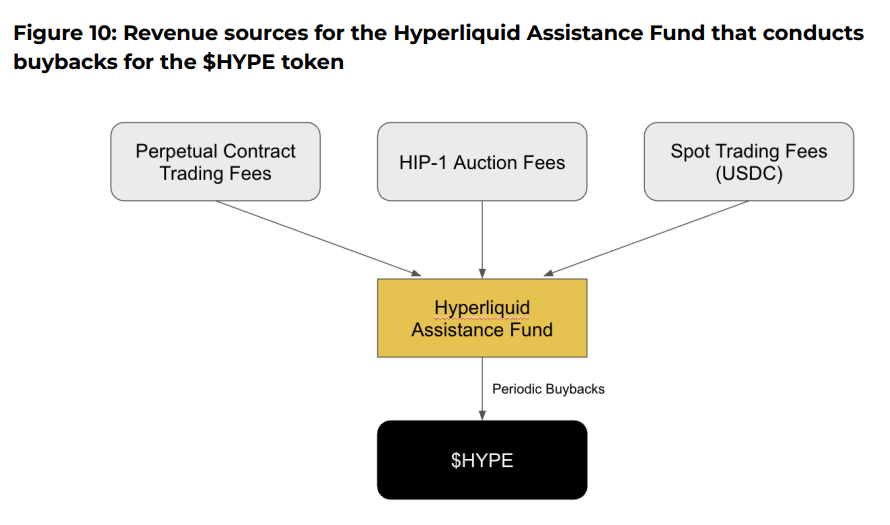
Hyperliquid is currently leading the token buyback trend, having destroyed over $8 million worth of $HYPE tokens. Hyperliquid is unique in that buybacks are an integral part of its economic model. 54% of perpetual trading fees, spot trading fees, and HIP-1 auction fees are all used to buy back tokens. As of May 28, 2025, the Hyperliquid Assistance Fund holds 23,635,530.65 $HYPE tokens, valued at approximately $786 million.
However, with no earnings flowing to token holders, buybacks simply prop up the price. Critics argue that there are better uses for these funds besides creating artificial scarcity. For example, Hyperliquid could consider allocating USDC fees generated from trading to reward $HYPE stakers. In this case, there is a tighter connection between $HYPE tokens and protocol growth (and fees). Tokens with earnings align incentives better.
10. ICM is still mainly speculative, and most of the tokens issued are similar to memecoin
Believe is an emerging player in the ICM movement that allows users to easily create tokens on the Solana blockchain by publishing a specific format (e.g. “$TICKER + @launchcoin”) on X, which triggers automatic token deployment through a bonding curve model.
This streamlined process allows creators and founders to issue tokens without technical expertise or traditional financing barriers. The platform then shares transaction fees equally between creators and the platform itself, and tokens with a market cap of $100,000 will move to deeper liquidity pools on platforms like Meteora.
Launchcoin has since experienced rapid growth, with over 27,495 tokens issued and $3.4 billion in total trading volume as of May 29, 2025. While the sample size is still small, the potential for transaction fees as direct revenue for creators is huge, allowing founders to fund development without diluting their equity. At its peak, Believe had daily transaction fees of over $7 million, 50% of which went to creators. In comparison, Virtuals had daily transaction fees of $350,000 at its peak.
However, today ICM remains primarily speculative, with tokens issued mostly similar to memecoin. Given the permissionless nature of such platforms, over 27,000 tokens have been issued on Believe alone, saturating the market, diluting liquidity, and distracting investors from legitimate startups. Other issues include sniping bots, highlighting the technical challenges that can undermine the success of legitimate startups.
Overall, the ICM movement has a lot of similarities to the ICO investing era. It holds the same philosophy of making funding accessible to everyone, but with greater accessibility for founders.
Related reading: Token issuance or IPO? Insights into Web3 financing market trends