
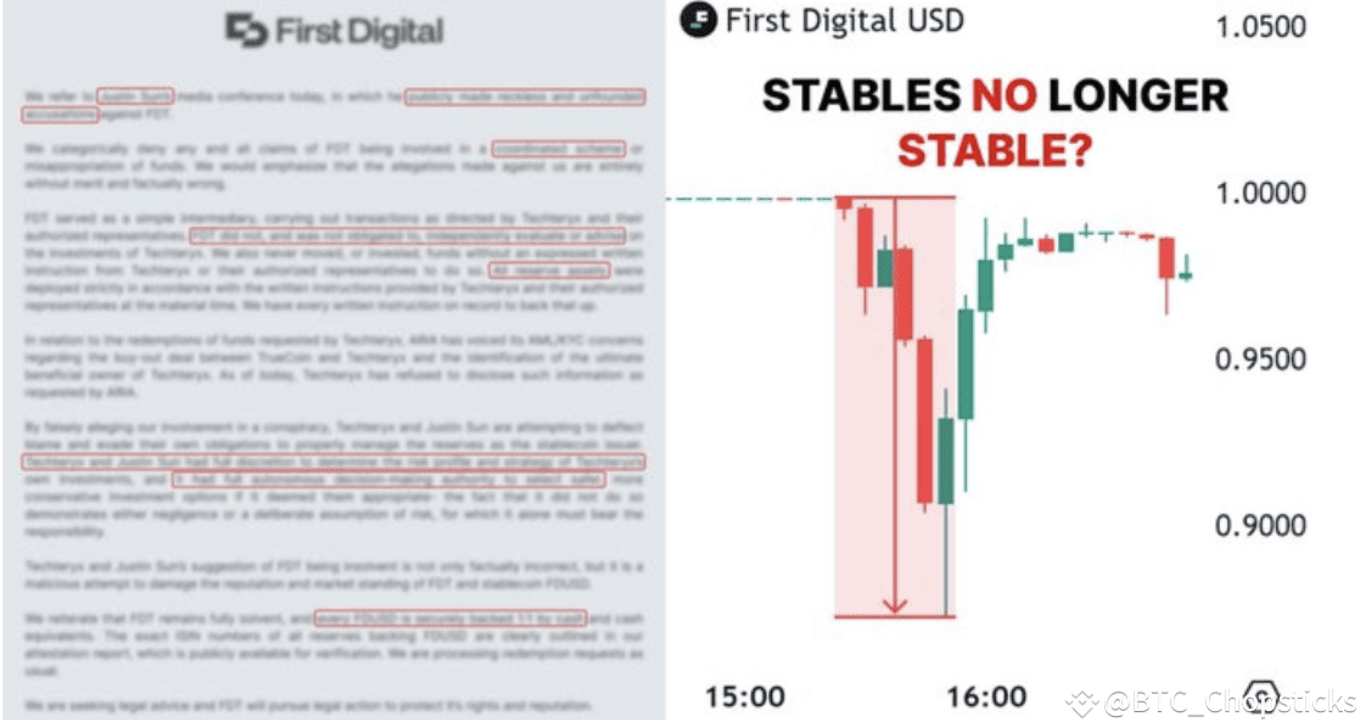
🧨 Cause of de-anchoring: Public accusations by TRON founder Justin Sun
The trigger of the incident was Justin Sun’s post on the X platform, questioning FDT’s insolvency and calling on investors to withdraw their assets as soon as possible. His main points include:
- Hong Kong's financial trust system has loopholes
- FDT's internal risk management mechanism is weak
- Call on Hong Kong regulators to intervene in the investigation
🛡️ FDT's response: Denying the allegations and fighting back
FDT immediately denied all the allegations, stating:
- This incident is related to TUSD (TrueUSD), not FDUSD
- FDT remains fully solvent
- The accusation is that Sun Yuchen is "smearing" to suppress competitors
They also announced that they would hold an AMA Q&A event to respond to public concerns. Binance also stated that FDUSD has more than $2 billion in U.S. Treasury bonds and overnight deposit reserves.
🔍 The truth behind this: TUSD ’s crisis spreads
According to CoinDesk and Hong Kong court documents:
- Justin Sun once took over TUSD which was in a liquidity crisis
- Part of TUSD ’s reserves were held in custody by FDT, and about $500 million of them became unredeemable at one point
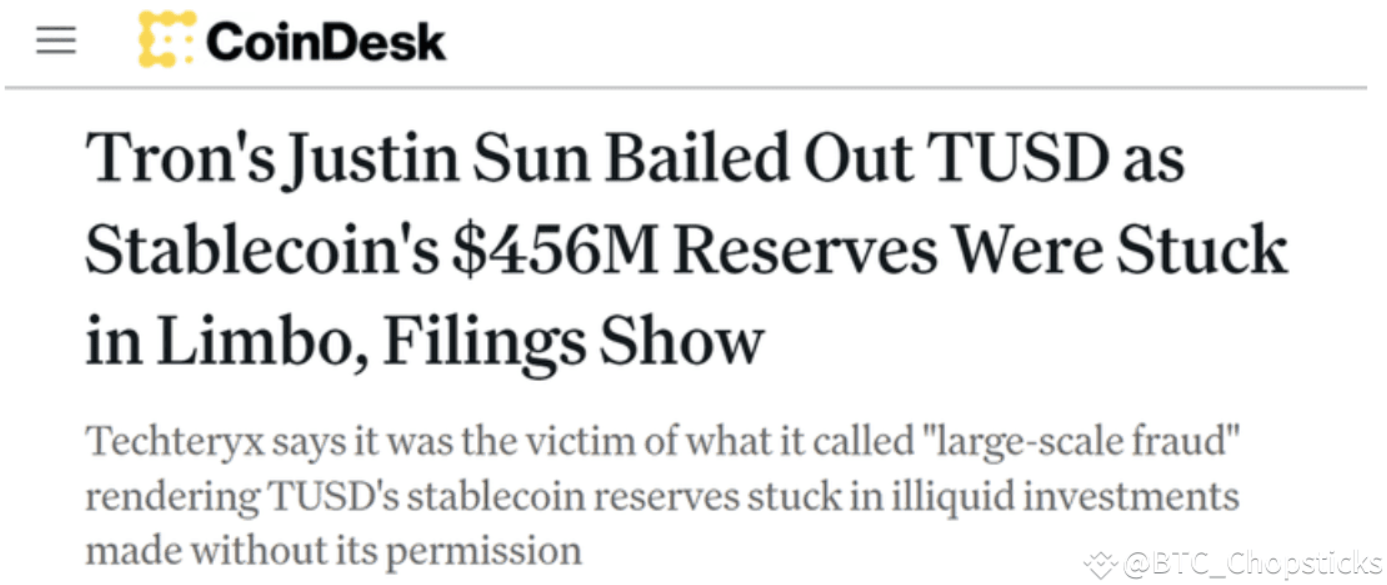
This has led to public doubts about the independence of funds between FDT and FDUSD .
🔄 Historical lessons from stablecoin depegging:
FDUSD is not the first stablecoin to be de-anchored. We can see from history that “stability” is actually very fragile:
📉 BitUSD (2018)
- Guaranteed by BTS, similar mechanism to DAI
- However, the price of BTS soared 15 times, resulting in a serious imbalance in the collateral ratio
- Market value once exceeded reserves by 16 times, causing unsustainable decoupling
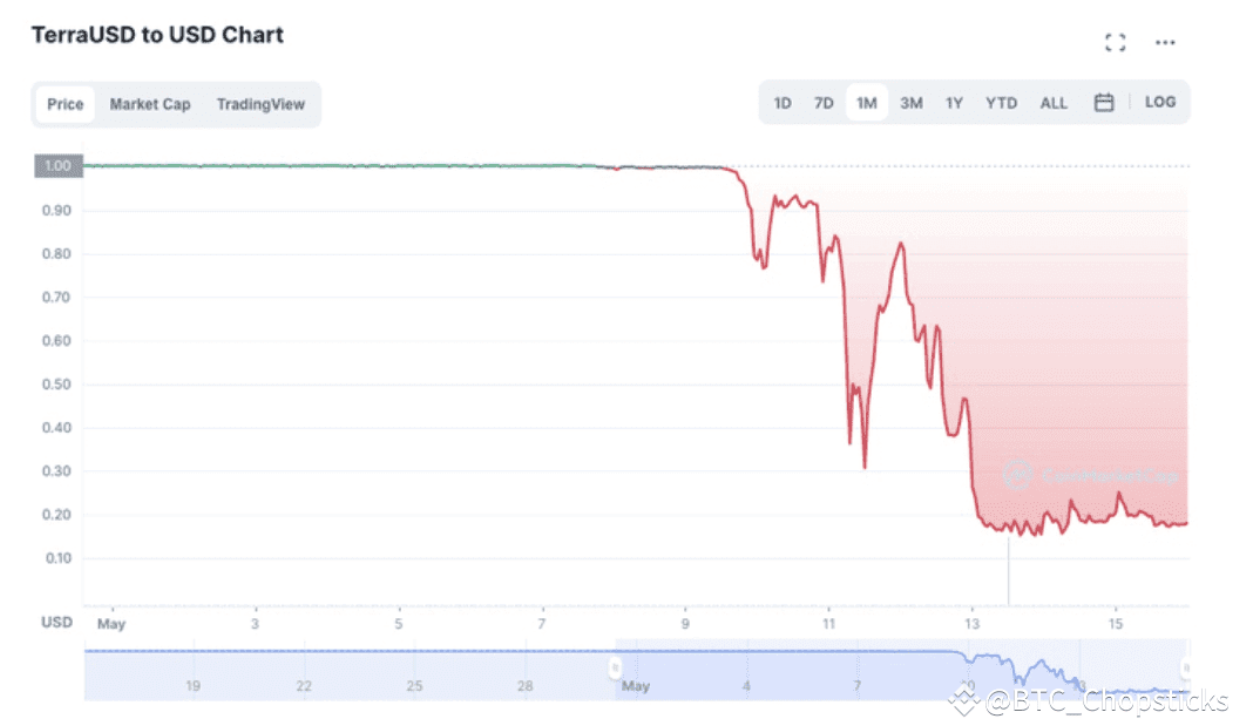
💣 TerraUSD ( USTC , 2022)
- Algorithmic stablecoin, pegged to LUNA
- Market sentiment and selling pressure trigger a "death spiral"
- Catastrophic: Losses of more than $45 billion ushered in the “crypto winter”
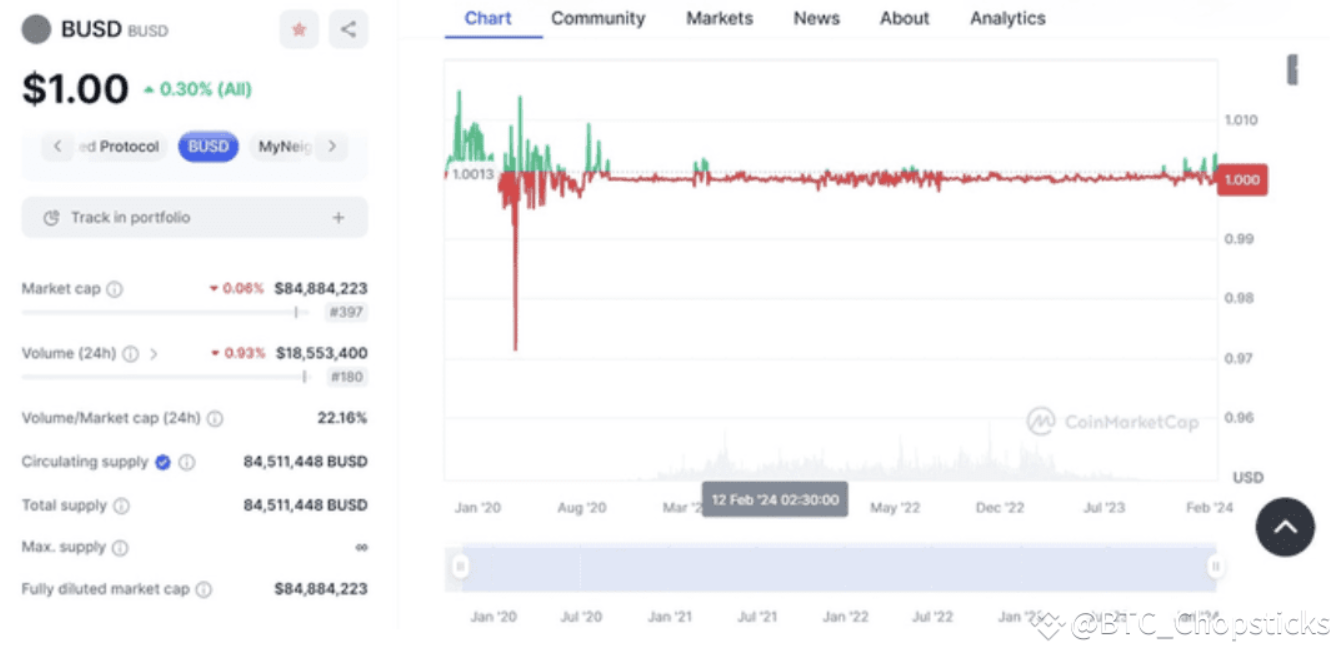
⚠️ BUSD (2023)
- Issued by Paxos and regulated by the New York Department of Financial Services
- The regulator suddenly stopped the issuance, triggering panic redemption by users
- Despite an "orderly" exit, confidence was badly damaged
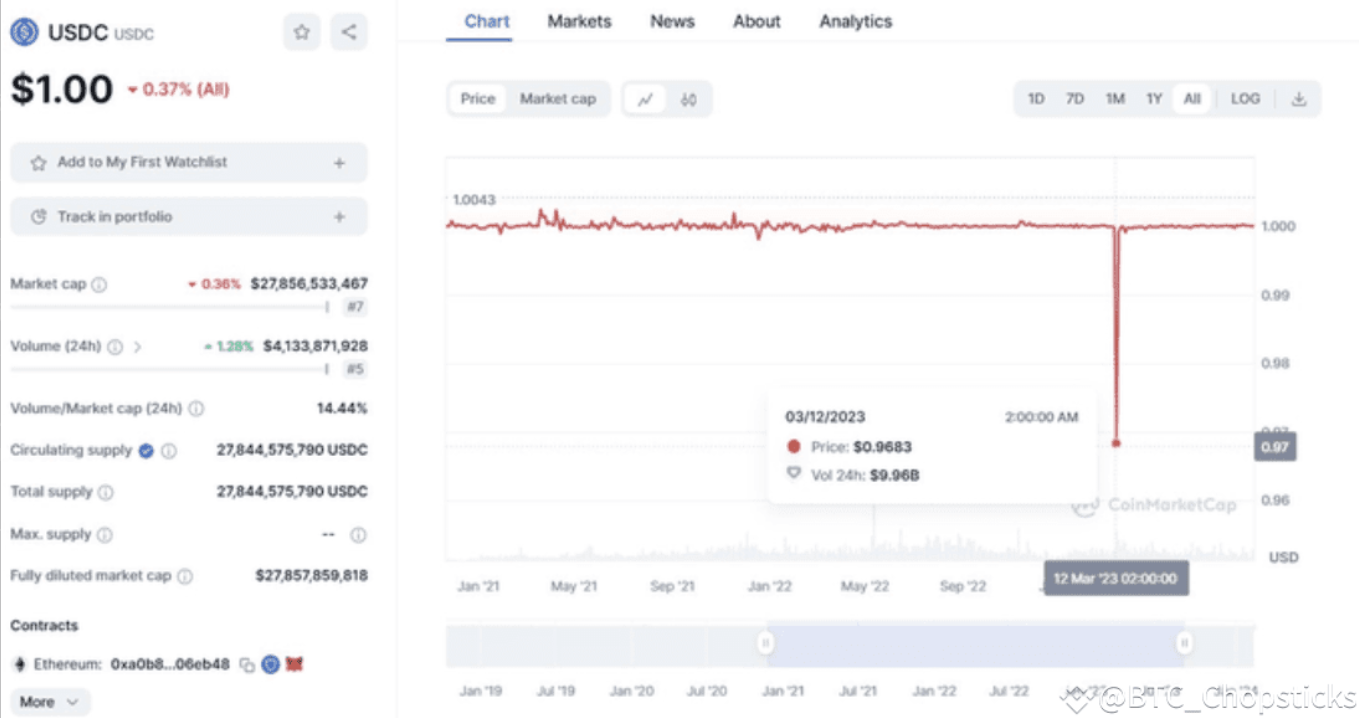
💥 USDC (2023)
- Issued by Circle, it is considered one of the “most reliable” stablecoins
- $330 million in reserves were trapped in Silicon Valley Bank, causing market panic
- Circle suspended exchange, and the price plummeted briefly, but then recovered after the intervention of the Federal Reserve
✅ Conclusion:
Stablecoins ≠ zero risk, learn to identify and diversify risks
The FDUSD incident reminds us that even “compliant” and “reserve-based” stablecoins may face public opinion attacks, reserve liquidity issues or regulatory risks.
🧠 Investors should:
Diversify holdings of different types of stablecoins (fiat-collateralized, crypto-collateralized, RWA, etc.)
Continued focus on reserve disclosure and audit reporting
Maintain awareness of the issuer’s background and regulatory environment
Don’t equate stablecoins with bank deposits or “risk-free assets”

