
Author: Monchi | Editor: Monchi
1. Bitcoin Market
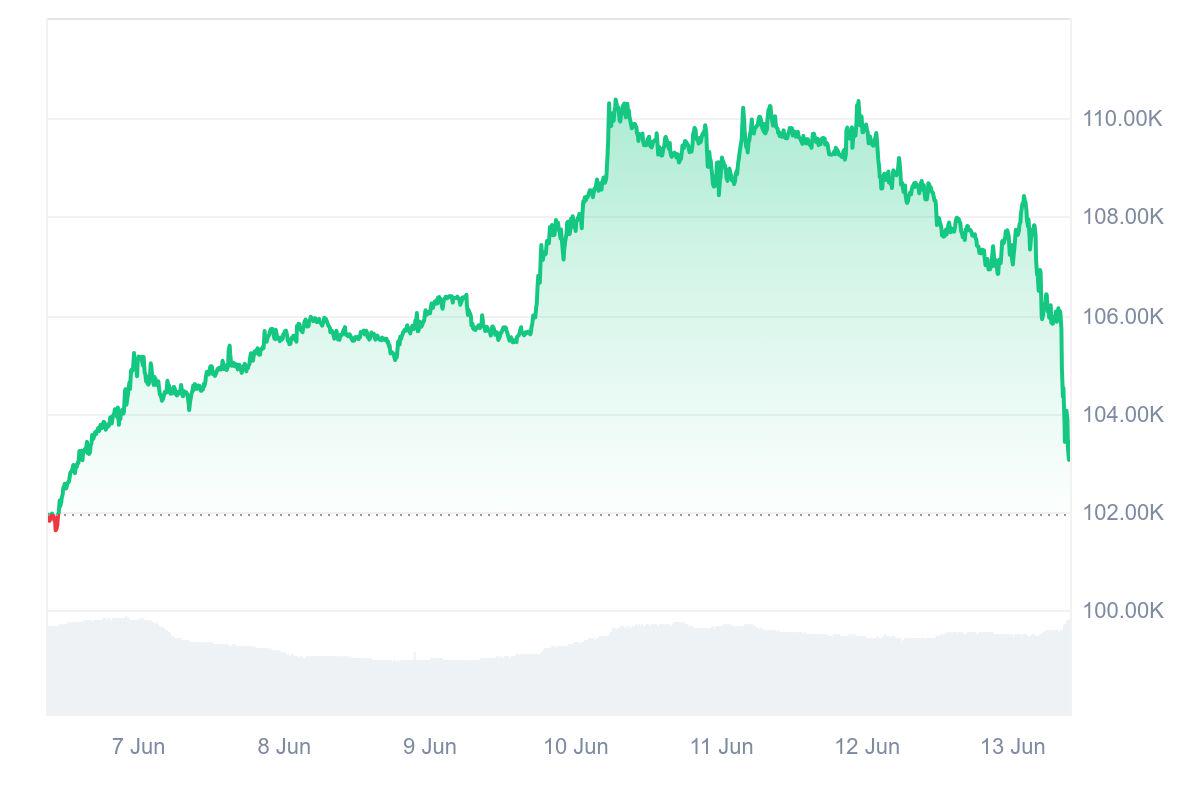
From June 7 to June 13, 2025, the specific trend of Bitcoin is as follows:
June 7: Bitcoin's trend on that day showed a pattern of "first decline and then rise". It fell slightly to $104,191 in the morning and then rebounded. The subsequent upward momentum gradually strengthened, reaching a high of $105,721 in the evening, and fluctuated around $105,600.
June 8: Bitcoin maintained a narrow range of fluctuations. The price fluctuated slightly downward from $105,615, and fell to $105,083 at night, then gained support and slowly rebounded, closing at $106,038 at the end of the day, indicating that the market still has a certain buying power near the key support level.
June 9: Continuing the rebound trend of the previous trading day, the price broke through $106,411 in the morning and then fell back under pressure, reaching an intraday low of $105,444. Then the bulls quickly exerted their strength, and Bitcoin rose strongly in the short term, climbing rapidly from $105,607 to $107,932, setting a new recent high, and then slightly fell back to $107,126, and stabilized again, with an overall bullish trend.
June 10: Bitcoin continued its strong upward trend, breaking through the important psychological barrier of $110,000 in the early trading and rising to $110,305. After a short period of consolidation, there was pressure for a correction, and the price fell back to $109,100 and $108,613, and then the fluctuation range gradually converged.
June 11: After opening, the price rose slightly to $110,250. Then the price slightly adjusted back, the amplitude narrowed, and fell gently around $109,500 for a period of time, and fell to $109,224 at the lowest. The trend rebounded slightly in the evening, and the short-term high of $110,244 was reached again, but it failed to break through effectively, and then fell back to around $109,744, starting a correction.
June 12: Bitcoin showed an overall volatile downward trend that day. The price dropped several times during the session, reaching $108,574, $108,278 and $107,594, and then further fell to an intraday low of $106,836. It rebounded slightly in the late trading stage, rising to $107,641, and the decline eased slightly but remained at a relatively low level.
June 13: After the opening, Bitcoin briefly continued the upward momentum of the previous trading day and rose to $108,420. However, there was a significant selling pressure afterwards, and the price quickly fell back to the $106,000 level, and briefly fluctuated in this range. Market sentiment further weakened, and the price fell sharply again. As of the time of writing, it has fallen to $103,412. The short-term decline is significant, and bearish sentiment is dominant.
Summarize
This week, the overall trend of Bitcoin showed a pattern of "rising first and then falling". From June 7 to 10, driven by bulls, the price continued to rise from around US$104,000, breaking through the US$110,000 mark, and the market sentiment was optimistic. From the evening of June 10 to 11, the market fluctuated at a high level, and the price fluctuated between US$108,500 and US$110,300, and the upward momentum gradually weakened. From June 12 to 13, Bitcoin experienced a significant correction, and the price continued to fall and broke through multiple support levels. The market sentiment turned from strong to weak, and the bears began to dominate.
Overall, this week's Bitcoin market showed a typical structure of rapid correction after a blockage in the upward trend. In the short term, we should be alert to the possible technical correction and mid-term trend reversal signals in the market. Investors are advised to pay close attention to the key support range and trading volume changes to determine whether the correction has built a stage bottom.
Bitcoin price trend (2025/06/07-2025/06/13)
2. Market dynamics and macro background
Fund Flows
1. US spot Bitcoin ETF holdings exceed 1.1 million BTC
As of June 9, according to Dune data, the total on-chain holdings of US spot Bitcoin ETFs have exceeded 1.1 million BTC, currently reaching about 1.184 million BTC, accounting for 5.96% of the total supply of Bitcoin. The corresponding on-chain holdings are worth about $125.8 billion, showing that institutional investors continue to be optimistic about the long-term value of Bitcoin.
2. Bitcoin balance on exchanges drops to a record low
According to data from Coinglass on June 9, a total of 65,393.48 BTC flowed out of major crypto exchanges in the past week, including:
Binance: outflow of 8,765.65 pieces; Coinbase Pro: outflow of 9,324.93 pieces; Bitfinex: outflow of 25,711.35 pieces
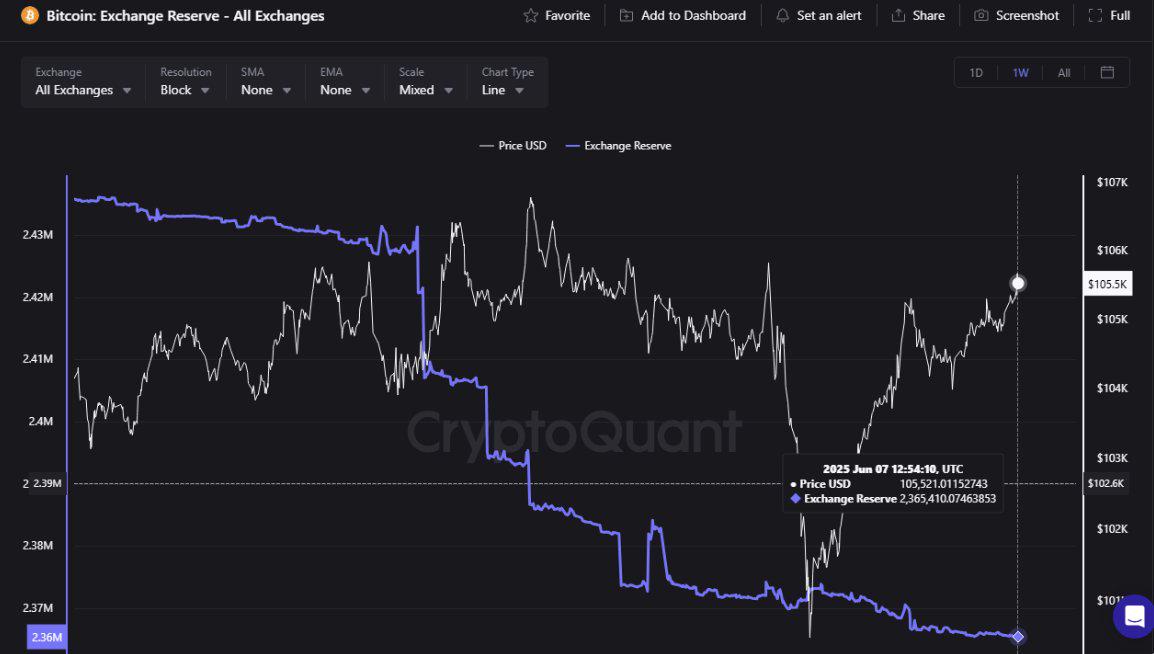
As of June 9, the total balance of Bitcoin on crypto exchanges fell to 2,092,731.59 BTC, a record low. This trend is generally seen as a positive signal in the medium and long term, as investors move their assets out of exchanges, possibly intending to hold them for the long term or manage them off-chain.
3. On-chain capital dynamics: High-leverage bulls emerge in large numbers
1. New wallets enter the market with heavy positions:
On June 9, a newly created wallet deposited 5.5 million USDC into Hyperliquid, opening a BTC long position with 20x leverage. The current market value of the position has exceeded 53.65 million US dollars, reflecting a strong bullish sentiment on the short-term market.
2. Anonymous whales continue to increase their holdings:
On June 10, a mysterious whale continued to increase its 20x leveraged long position, with a position size of 2,817.58 BTC. The total value of the position exceeded US$300 million, and the current floating profit was approximately US$4.6 million.
3. AguilaTrades is suspected to have heavy positions with high leverage:
On June 11, on-chain analysis pointed out that the huge position may be held by AguilaTrades, which has now expanded to 3,956.32 BTC, with a total market value of over $432 million and a floating profit of over $2.7 million.
These data show that during market fluctuations, some funds choose high leverage to gain upside potential, thereby increasing market volatility.
4. Spot Bitcoin ETF
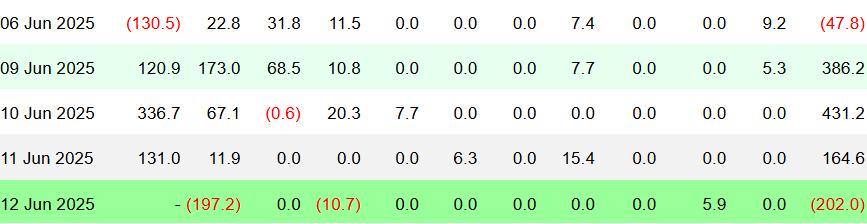
This week's daily ETF fund inflow/outflow details:
June 9: +$386.2 million in net inflows
June 10: +$431.2 million in net inflows
June 11: +$164.6 million in net inflows
June 12: -$202 million net outflow
Overall, Bitcoin ETFs maintained a net inflow trend this week, with large inflows continuing in the first three trading days, indicating that institutional investors are still willing to allocate to Bitcoin. However, the net outflow of $202 million on June 12 may reflect the market's sensitivity to short-term price fluctuations. It is worth noting that despite the single-day outflow, the cumulative net inflow this week still exceeded $780 million, continuing the trend of capital recovery since May. This capital movement has supported the high volatility of Bitcoin prices to a certain extent, and also highlighted the role of ETF products in guiding funds in the spot market.
ETF Inflow/Outflow Data Image
Technical indicator analysis
1. Relative Strength Index (RSI 14)
According to Investing.com data, Bitcoin’s (BTC) 14-day relative strength index (RSI) is 21.246, which is clearly in the oversold range (generally, below 30 is considered oversold).
The current RSI level indicates that the market is facing strong selling pressure in the short term, and investors are becoming cautious or panic. From historical experience, RSI falling below 25 usually means that the selling is almost extreme and has a certain technical rebound space. However, considering the current macro environment and market sentiment, it is recommended to combine other indicators to improve the accuracy of judgment.
2. Moving Average (MA) Analysis
5-day moving average (MA5): $107,419.08
20-day moving average (MA20): $106,737.49
50-day moving average (MA20): $98,158.72
100-day moving average (MA100): $94,355.35
200-day moving average (MA200): $88,503.84
Current market price: $103,922.85

MA5, MA20, MA20, MA100, MA200 data pictures
The current BTC market price has fallen below the short-term moving averages (MA5 and MA20), indicating that short-term momentum has weakened and there is a certain pressure on the price to pull back. However, in the medium and long term, the price is still above MA50, MA100 and MA200, indicating that the overall long structure of Bitcoin has not been destroyed, and the current situation is more like a healthy technical pullback.
It is particularly noteworthy that MA5 and MA20 are showing signs of a death cross, and the short-term trend may continue to be under pressure; while MA50 and MA200 still maintain a bullish arrangement, and the long-term upward trend remains intact.
It is recommended to pay attention to whether BTC can effectively stabilize above MA50 (about US$98,158) in the future. This position may constitute a strong support area. If it falls below, it is necessary to guard against the risk of a weakening medium-term trend.
3. Moving Average Convergence Divergence (MACD) Analysis
According to Investing.com data, MACD is currently negative (−1068.9), indicating that the short-term moving average (12-day EMA) is lower than the long-term moving average (26-day EMA), indicating that the market's recent momentum has weakened. Combined with the "Sell" signal, it is a typical technical bearish signal.
If the histogram continues to expand the negative range, it may mean that the bearish trend is strengthening; but if the histogram narrows or starts to rebound, you should pay close attention to whether there are signs of bottom stabilization.
4. Key support and resistance levels
Support level : Bitcoin's current short-term key support level is at $103,000. In the trading on June 13, the price of Bitcoin experienced a significant correction and stabilized when it approached this level, indicating that bulls have a certain willingness to take over in this area.
Resistance : The short-term core resistance is concentrated around $110,300. From June 10 to 12, Bitcoin failed to break through the price level after probing it for three consecutive trading days, and then fell back, indicating that there is strong selling pressure in this area, which may be the concentration point for the previous longs to take profits, and constitutes an important technical resistance to the upward trend at the current stage.
Overall, if Bitcoin can maintain above $103,000, it still has the momentum to test the $110,300 resistance zone. On the contrary, if it breaks below this support level, it is possible to further pull back to the 20-day moving average or the psychological barrier of $100,000. It is necessary to pay close attention to the changes in market volume and news catalysts.
Market sentiment analysis
1. Emotional profile
This week, the overall sentiment of the crypto asset market showed a trend of rising first and then falling. From June 9 to 10, Bitcoin continued to rise and strongly broke through the key psychological barrier of $110,000, which significantly boosted market confidence. During this period, investors' risk appetite rebounded, as shown by increased willingness to hold coins and increased trading activity, and the overall sentiment tended to be optimistic. However, with the continuous correction of Bitcoin prices from June 12 to 13, the market heat has obviously cooled down, sentiment indicators have weakened simultaneously, and investors' wait-and-see sentiment has heated up.
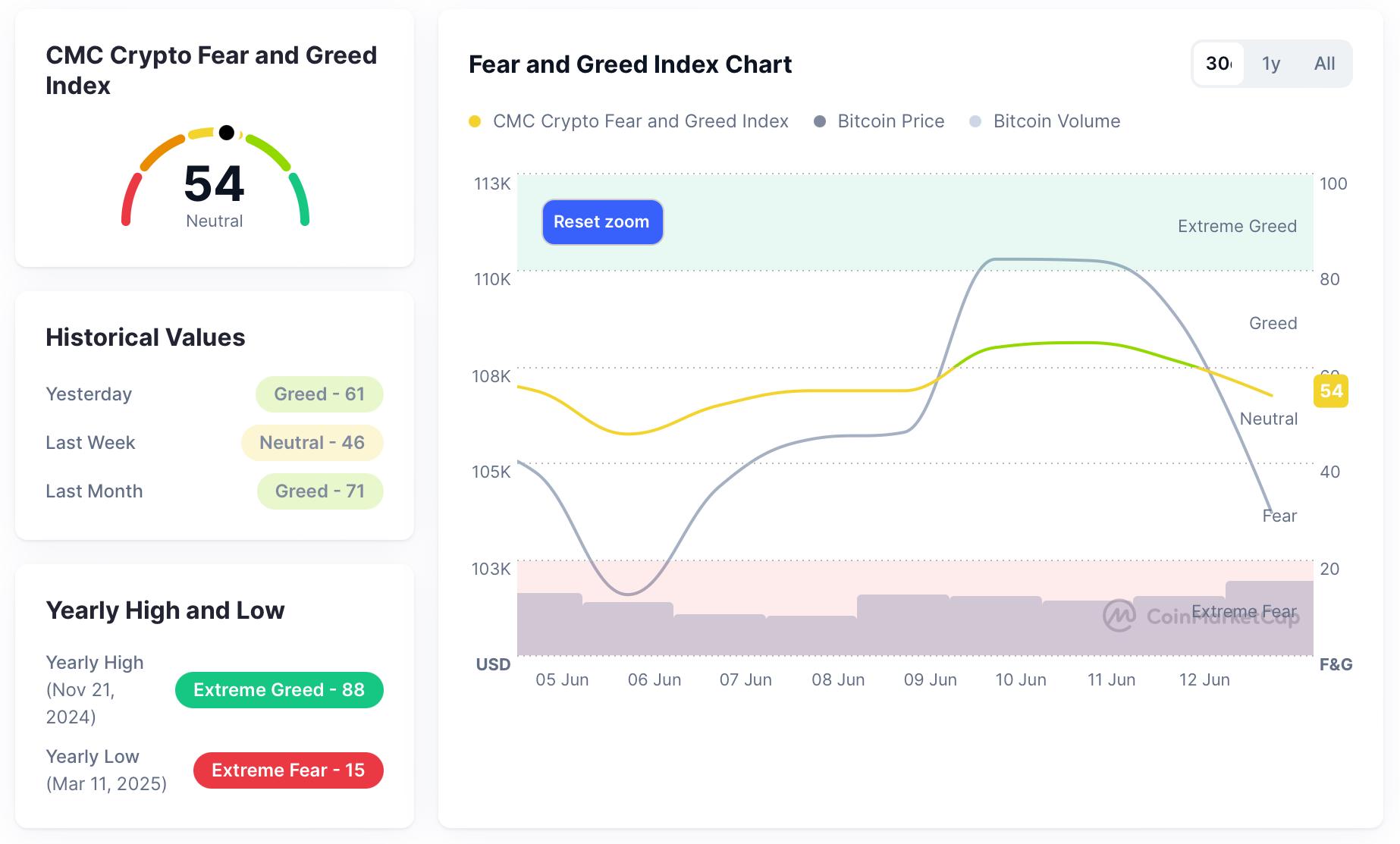
2. Key Sentiment Indicators (Fear and Greed Index)
As an important reference tool for measuring investor sentiment in the crypto market, the Fear & Greed Index can effectively reflect the phased changes in market risk preferences. As of June 13, the index was at 54, in the "neutral" range. This shows that the current market sentiment is relatively balanced, and investors are cautiously waiting to see the market trend.
Looking back at this week (June 7-June 12), the daily values of the index were: 52, 55, 55, 64, 65, 61. Overall, the index remained in the 52-55 range in the first part of this week, reflecting a mild bullish market sentiment. As the price of Bitcoin broke through the key resistance on June 9 and 10, the sentiment index quickly rose to 64-65, and the market entered a "clearly greedy" state in the short term, and risk appetite increased. However, since June 11, with the price adjustment, the sentiment heat has fallen, and the index has fallen to 54, reflecting that the market sentiment has become rational, and short-term funds may enter a wait-and-see phase.
Fear and Greed Index Data Picture
Macroeconomic Background
1. US employment and inflation data: Hopes for a soft landing increase, risk assets rebound
The US non-farm payrolls data released on June 6 was strong, with 139,000 new jobs, exceeding market expectations, showing that the labor market is still resilient; the unemployment rate remained at 4.2%, without a significant deterioration. The CPI data for May released on June 11 rose by only 0.1% month-on-month, and the year-on-year growth rate slowed to 2.4%, lower than the previous value and slightly better than expected, reinforcing the market's expectations for a rate cut this year.
The data combination was interpreted by the market as an increased possibility of a "soft landing", pushing Bitcoin to break through $110,000 in the short term, and maintaining an overall bullish sentiment. The Bitget report pointed out that against the backdrop of slowing inflation and a rebound in risky assets, Bitcoin rose by more than 5% in mid-June.
2. Fed policy outlook: dot plot may guide market expectations
The Federal Reserve will hold an FOMC meeting on June 17-18. The market generally expects that there will be no immediate interest rate cut this time, but the focus has shifted to the dot plot and Powell's remarks to be released soon, which may affect the pace of interest rate cuts and the trend of the US dollar in the second half of the year, thereby indirectly affecting the prices of crypto assets.
3. Global policy benefits: Institutional support is accelerating
The legislative progress of the U.S. Congress is accelerating: two key bills, the CLARITY Act and the GENIUS Stablecoin Act, are being promoted. If formally legislated, they will bring regulatory clarity and a long-term development foundation to the digital asset market.
The UK may open crypto ETPs to retail investors: The FCA is considering lifting the ban on retail investors, sending a European regulatory-friendly signal.
ProCapBTC institutional entry plan: Well-known crypto investor Anthony Pompliano plans to raise $750 million through SPAC for long-term Bitcoin holdings, which indicates that traditional capital is deploying the BTC market in a more mature way, and is also seen as echoing Trump's potential policy direction.
4. Leverage liquidation and short-term capital outflow: triggers for phased corrections
From June 12 to 13, the price of Bitcoin fell by more than 4%, and multiple high-leverage accounts triggered forced liquidation, forming a chain of selling pressure. At the same time, some short-term profit-making funds also left the market at high levels, and the short-term liquidity of the market decreased and selling was concentrated, which became an important inducement for technical adjustments in the short term.
5. Asset resonance under the background of dollar depreciation: Bitcoin, gold and US stocks rise together
The weakening of the US dollar this week, coupled with the stabilization of inflation data and rising expectations of interest rate cuts, led to a rare resonance rise in U.S. stocks, gold and Bitcoin, indicating that the market is evolving from the logic of pure risk assets to a "diversified safe-haven + value storage" configuration structure, providing a basis for further increases in Bitcoin.
6. Geopolitical volatility and risk aversion
On June 13, Israel launched an airstrike on Iran, causing the situation in the Middle East to deteriorate sharply. The market's risk aversion sentiment intensified, and traditional safe-haven assets such as gold rose in the short term, while Bitcoin was under pressure to fall because it was regarded as a high-volatility risk asset in the short term, falling by about 4-5% to around $103,000.
3. Hash rate changes
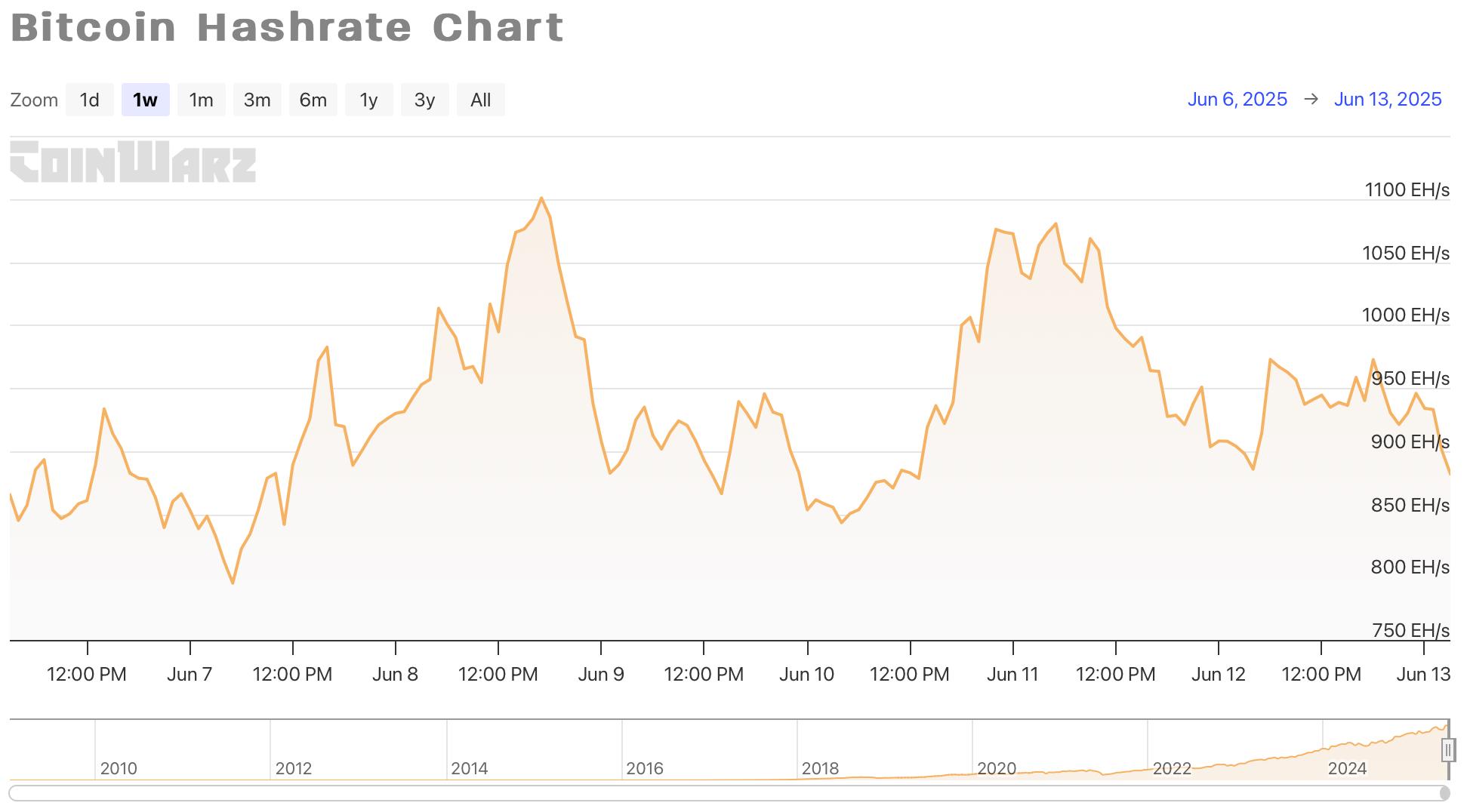
From June 7 to June 13, 2025, the Bitcoin network hash rate fluctuated as follows:
On June 7, the total computing power (hash rate) of Bitcoin fluctuated significantly, falling from 853.07 EH/s to a low of 795.10 EH/s, and then rebounded quickly, rising to a maximum of 982.36 EH/s. It then fell back again, falling to 888.57 EH/s, and rebounded slightly to 929.83 EH/s at the end of the day. The overall trend showed a large fluctuation, which may be affected by the short-term fluctuations in the efficiency of miners and the dynamic adjustment of network difficulty. On June 8, the hash rate showed a "first rise and then fall" trend, climbing to 1013.21 EH/s in the morning, and continued to rise after a brief correction, reaching a high of 1100.69 EH/s, setting a new high in recent days. But then it fell back significantly, and finally closed at 907.07 EH/s, indicating that the participation rate of high-level miners has fallen in stages, which may be related to the adjustment of equipment in some mines or regional power fluctuations. On June 9, the hash rate fluctuated around 900 EH/s. It rose to 934.71 EH/s during the day, then fell to 866.07 EH/s, and rebounded to 945.33 EH/s during the day, but fell again at the end of the day and closed at 853.25 EH/s. The overall volatility is characterized by increased volatility, reflecting the dynamic game between the network's block efficiency and the stability of miners' access. On June 10, the hash rate trended steadily upward, rising from 842.97 EH/s, breaking through 935.89 EH/s and 1005.98 EH/s, and finally reaching 1075.83 EH/s in the evening. On June 11, the hash rate showed an obvious high-level fluctuation and decline trend. The hash rate once fluctuated around 1050 EH/s, reaching a high of 1080.27 EH/s, indicating that the miners' computing power remained at a relatively active level. Subsequently, the hash rate continued to fall, falling to 907.88 EH/s at the end of the day. On June 12, the hash rate further dropped to an intraday low of 885.52 EH/s, and then rebounded to 972.56 EH/s, fluctuating around 950 EH/s, indicating that the computing power has a certain willingness to recover and volatility. The hash rate at the end of the day was 933.76 EH/s. On June 13, the hash rate continued to weaken, and as of the time of writing, it has dropped to around 880 EH/s.
Overall, from June 7 to 13, 2025, the Bitcoin hash rate showed a wide range of fluctuations. During this period, it once exceeded 1100 EH/s, setting a staged high, reflecting that miners actively connected to the network against the background of the recovery of the currency price and the improvement of mining income. However, since June 11, the hash rate has gradually fallen, which was significantly affected by the rapid decline in the currency price from the 12th to the 13th. This fluctuation reflects that the network is in the stage of computing power reconstruction, driven by multiple factors such as miners' block efficiency, block reward expectations and regional electricity prices. If the currency price continues to fall, the hash rate may be further under pressure; conversely, if the market recovers, the computing power is expected to recover quickly.
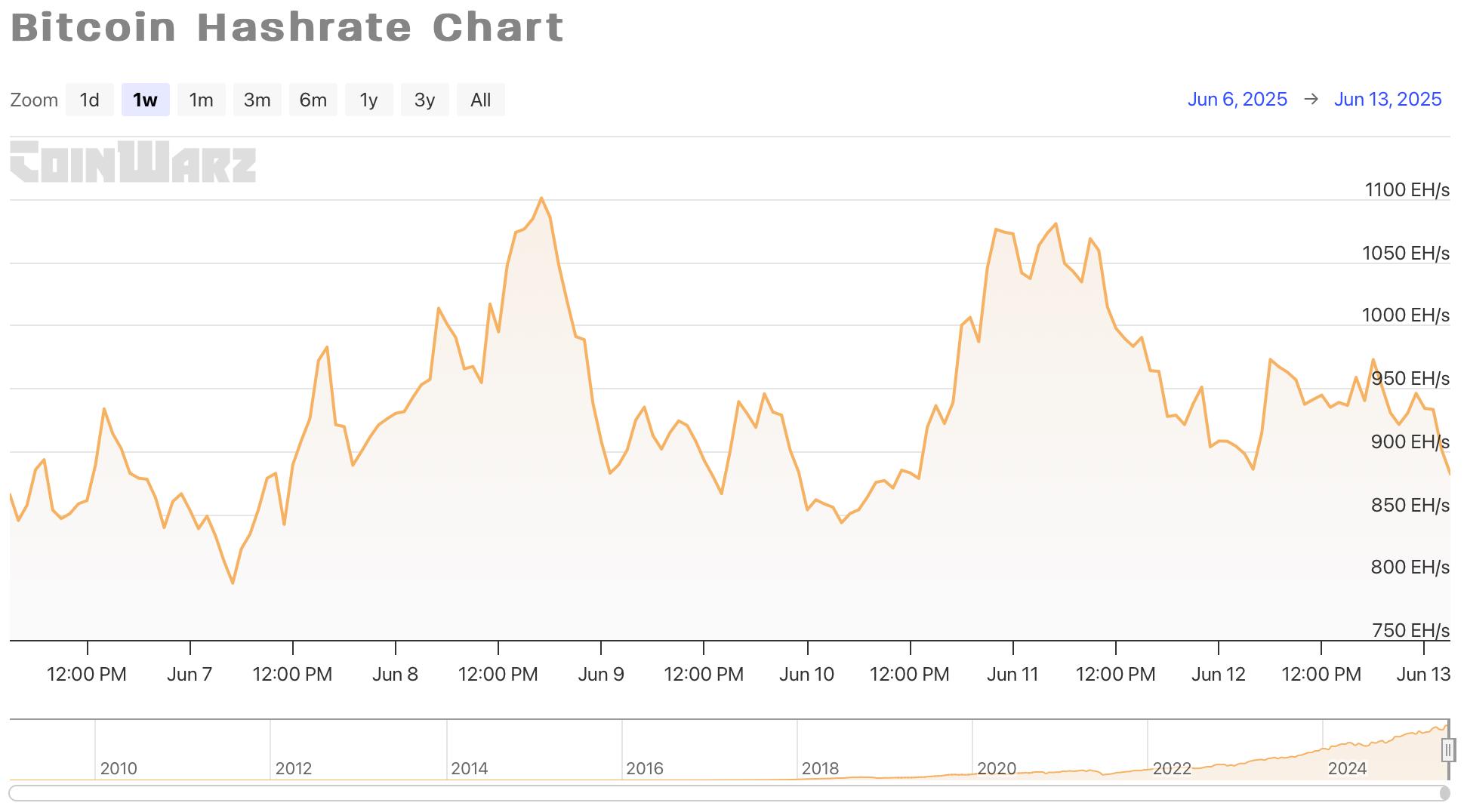
Bitcoin network hash rate data
4. Mining income
According to YCharts data, the total daily income of Bitcoin miners this week (including block rewards and transaction fees) is as follows: June 7: $47.4 million; June 8: $50.91 million; June 9: $47.3 million; June 10: $58.4 million; June 11: $48.72 million. From the overall trend, the average daily total income of miners this week is roughly maintained between $47 million and $58 million, showing a certain degree of fluctuation. The peak on June 10 may be related to the short-term increase in network transaction activity and the increase in block space demand on that day. In addition, the proportion of transaction fees was relatively mild during this period, reflecting that although the current on-chain activity is not completely depressed, it has not yet recovered to the peak level of the bull market.
In the past week, the unit computing power revenue (Hashprice) of the Bitcoin network showed an overall trend of rising and then falling. As of June 13, the unit computing power revenue (Hashprice) of Bitcoin was reported at $52.14/PH/s/day, a slight decline from the beginning of the week. June 7 was the low point of the week, recording $52.17/PH/s/day; then, boosted by the rebound in the price of the currency and the brief recovery in the activity of on-chain transactions, Hashprice rose to a high of $55.16/PH/s/day on June 10, indicating a phased improvement in miners' revenue. However, as the market weakened, Hashprice fell from its high and fell to $51.75/PH/s/day by the weekend.
From the perspective of cyclical performance, the current Hashprice is still at a relatively low level on a monthly basis, indicating that the revenue generated by unit computing power has not improved significantly compared with the past month. However, from a quarterly perspective, it is still in a relatively high range, which means that under the current Bitcoin price and network competition pressure, miners with scale and low-cost advantages can still maintain considerable profit margins. However, if the price of the currency continues to be under pressure or trading activities continue to be weak, Hashprice may face further pullback pressure.
The continued sluggishness of on-chain transaction activity is compressing the space for miners' fee income. Data shows that as of June 9, the average number of transactions on the Bitcoin network in seven days has dropped to 317,000, a new low since October 2023. Due to insufficient transaction volume, some miners have begun to accept low-fee transactions below 1 sat/vB, and even process non-standard transactions through Slipstream channels such as those operated by MARA. However, this move has also caused controversy, and 31 Bitcoin core developers have jointly voiced their opinions, emphasizing that such practices may undermine the anti-censorship and decentralization principles of the Bitcoin network.
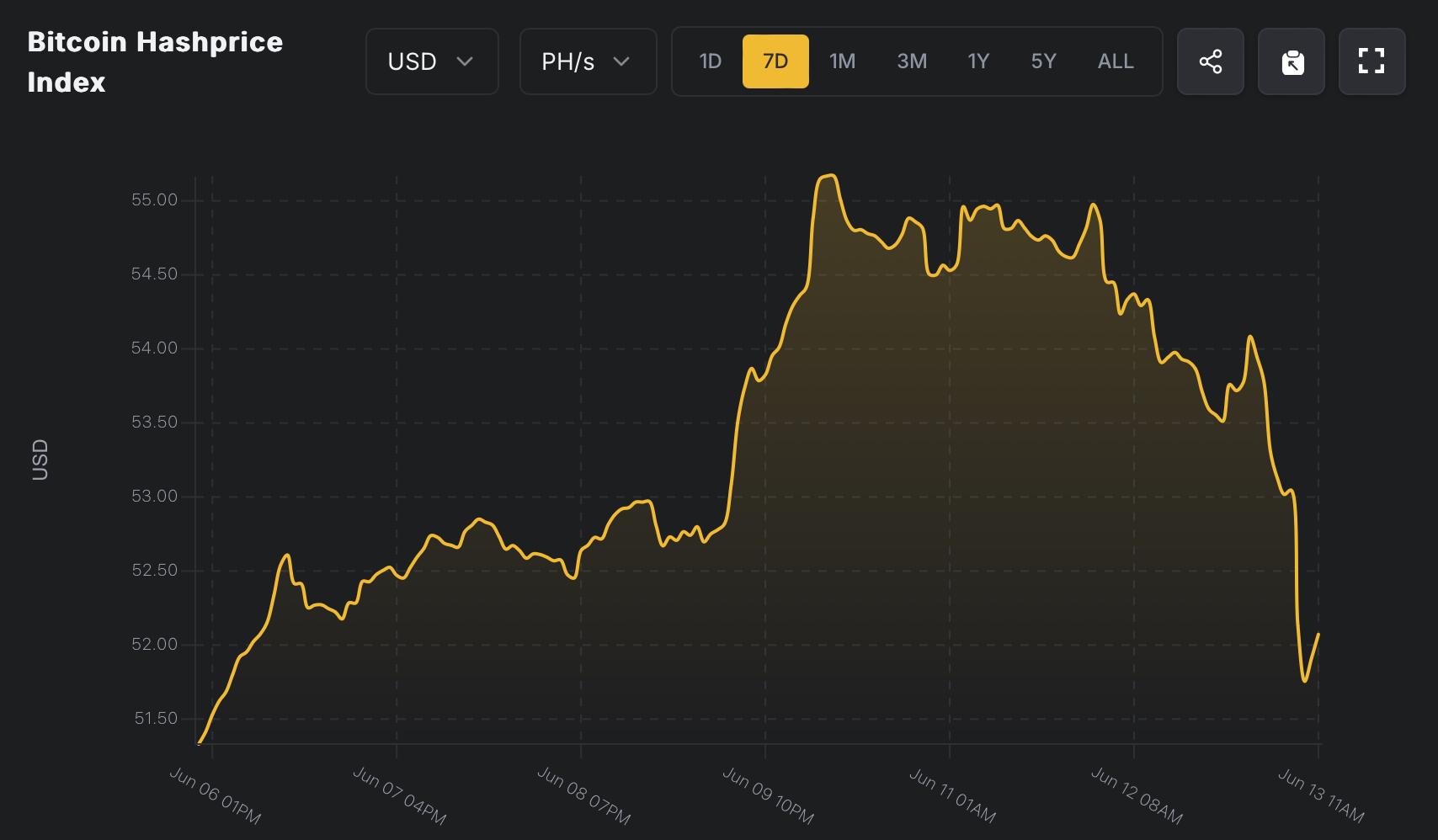
Hashprice data
5. Energy costs and mining efficiency
According to CloverPool data, as of the time of writing on June 13, the total network hashrate of Bitcoin was 932.81 EH/s, and the current mining difficulty of the entire network was 126.98 T. The next round of difficulty adjustment is expected to be carried out on June 14, with an estimated decrease of 0.31%, and the difficulty will drop to 126.58 T. This slight decrease in difficulty usually reflects the withdrawal of some hashrate, which may be related to rising energy costs, high temperatures affecting mine operations, or the decline in profitability of some old mining machines. From a trend point of view, although the price of Bitcoin remains high, the fluctuation of hashrate shows that miners are still constantly looking for a balance between cost and benefit.
From the perspective of mining costs, according to the latest MacroMicro model calculation results, as of June 11, the unit production cost of Bitcoin was approximately US$92,565.05, while the spot price during the same period was US$108,686.63, and the corresponding mining cost-to-price ratio was 0.85, which is still in the typical profit range (less than 1 means mining is profitable). This indicator is one of the important parameters for measuring the economic efficiency of mining. A ratio below 1 usually means that most miners still have room for profit. When the ratio rises to close to or above 1, some high-cost mines will face the pressure of shutting down or migrating, which will in turn affect the computing power and difficulty changes of the entire network.
Overall, Bitcoin mining is still profitable at this stage, but it has begun to face the risk of narrowing marginal profits. Although the difficulty of the entire network has been slightly reduced in the short term, considering the higher electricity prices in some parts of the world (for example, some electricity markets in North America have entered the summer peak) and the energy efficiency iteration brought about by the replacement of mining machines, it is expected that the survival pressure of small and medium-sized mining farms will gradually increase. As the price of Bitcoin continues to remain above $100,000, the industry is entering a new stage of "high price and high cost", and miners' sensitivity to operating strategies, equipment investment return cycle (ROI) and electricity contracts will also increase significantly.
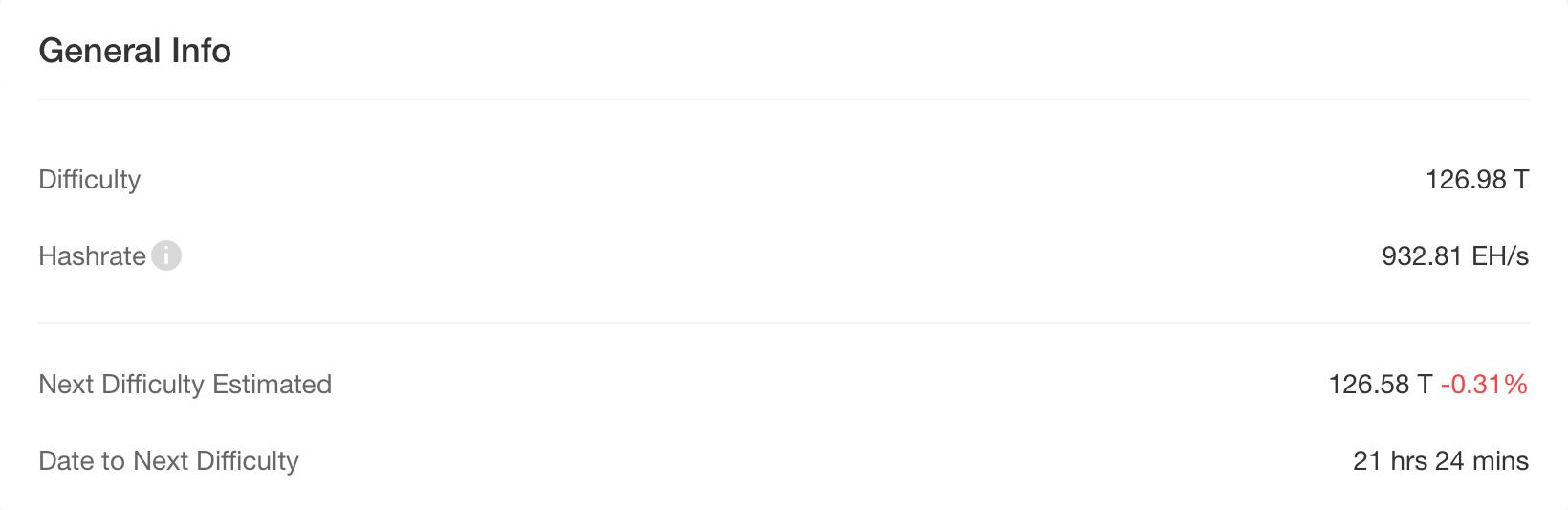
Bitcoin mining difficulty data
6. Policy and regulatory news
US House of Representatives introduces HR 3798 bill to promote the establishment of a national strategic Bitcoin reserve
On June 8, U.S. Republican Congressman Tim Burchett introduced HR 3798, a bill aimed at establishing a national strategic Bitcoin reserve and writing it into federal law.
The UK Insolvency Service appoints its first crypto asset commissioner to recover digital assets such as Bitcoin
On June 10, the UK Insolvency Service appointed former police detective Andrew Small as the first full-time crypto intelligence expert, aiming to improve the ability to track and recover digital assets such as Bitcoin in bankruptcy and criminal cases. In the past five years, the number of bankruptcy cases involving crypto assets has increased by 420%, and the total value of the assets involved has soared from about 1,400 pounds in the 2019/20 fiscal year to more than 520,000 pounds in the 2024/25 fiscal year. The new position will help the Insolvency Service to recover crypto assets held by debtors more efficiently, thereby recovering more losses for creditors and the UK economy.

Related images
Brazil's parliament considers establishing a strategic Bitcoin reserve, intends to invest 5% of international reserves
On June 12, the Brazilian House of Representatives was deliberating on Bill No. 4501 of 2024, which proposed the establishment of a sovereign strategic reserve of Bitcoin (RESBit), with a plan to use up to 5% of international reserves to purchase Bitcoin. The bill aims to diversify treasury assets, resist exchange rate fluctuations and geopolitical risks, promote the development of blockchain technology, and provide support for the Brazilian digital currency (Drex). The reserve will be jointly managed by the Central Bank of Brazil and the Ministry of Finance, using security technologies such as cold wallets and establishing a strict transparency mechanism. Rapporteur Luiz Gastão has voted in favor of the bill, emphasizing that a cautious and gradual implementation strategy will be adopted to balance potential benefits and risks.
Trump: A clear regulatory framework will be created to allow the United States to lead the future of Bitcoin and encryption
On June 12, Trump stated at the Coinbase "State of Crypto" summit that the United States will be committed to creating a clear and simple market framework that will enable the United States to dominate the future of cryptocurrencies and Bitcoin.

Related images
7. Mining News
Report: Malaysia's cryptocurrency mining market to grow to $5.13 billion by 2025
June 9 news, an industry report released by the Malaysian Blockchain Access Association showed that rampant electricity theft by illegal miners, inconsistent policies and lack of legal clarity have hindered Malaysia from tapping the potential economic potential of cryptocurrency mining.
The report predicts that Malaysia’s cryptocurrency mining market will grow 110.2% from $2.44 billion to $5.13 billion by 2025, driven by its strategic location, growing tech ecosystem, and expertise in Shariah-compliant finance. However, the report notes that Malaysia must address some internal factors to maintain continued growth.
Malaysian multinational power company Tenaga Nasional Berhad (TNB) has lost 441.6 million Malaysian ringgit (about $104.2 million) in electricity theft between 2020 and September 2024, blaming the losses mainly on illegal Bitcoin mining. Previously, the company had lost as much as 2.3 billion ringgit (about $542 million) between 2018 and 2021.
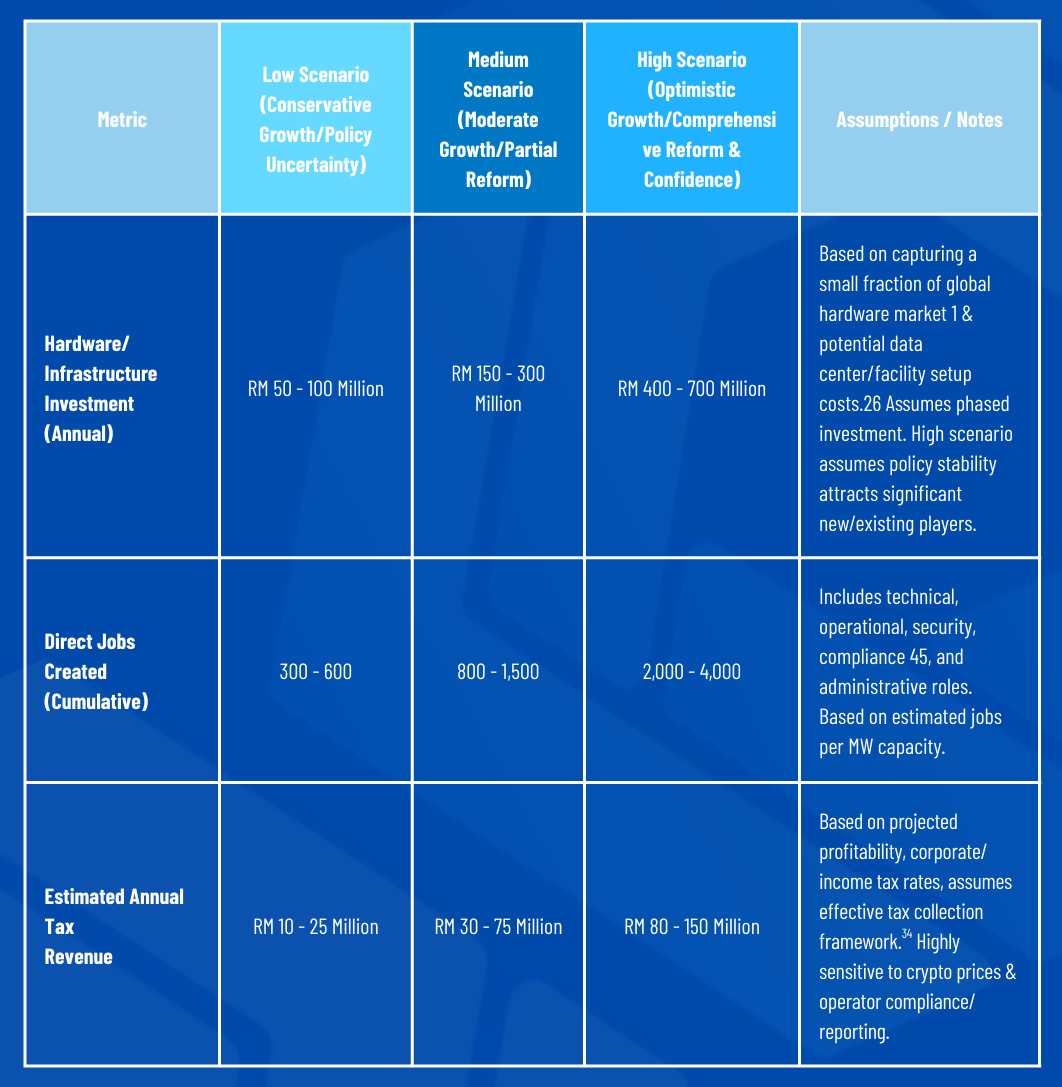
Related images
OCEAN Mining Pool Vice President Will Liquidate Bitcoin and Exit the Industry Due to OP_RETURN Changes
On June 11, Jason Hughes, vice president of the mining pool OCEAN, announced that he would sell all his Bitcoin and withdraw from the industry to protest the recent OP_RETURN change decision.
Hughes expressed extreme disappointment with the decision by Bitcoin Core developers, saying that "52 days ago, Bitcoin Core development at least pretended to be principled," and that he had "exhausted himself in this fight." Hughes warned: "The qualities that made Bitcoin special are no longer there."
Earlier news, Bitcoin core developers plan to implement OP_RETURN changes in October, which will no longer filter OP_RETURN outputs containing a large amount of non-financial data. This change will increase the default data carrier limit from the current 80 bytes to nearly 4MB.
Librarian Ghouls hacker group attacks Russian devices for cryptocurrency mining
On June 11, the hacker group Librarian Ghouls (also known as Rare Werewolf) has hacked into hundreds of Russian devices and used them to mine cryptocurrencies. The group spread malware through phishing emails disguised as legitimate organizations, established remote connections after infecting devices, and disabled security systems such as Windows Defender. Hackers collect the device's RAM, CPU core, and GPU information to optimize the configuration of the cryptocurrency mining program.
The hacking incident began in December 2023 and the attacks mainly affected industrial enterprises and engineering schools in Russia, with victims also in Belarus and Kazakhstan. Kaspersky speculates that Librarian Ghouls may be hacktivists because they rely on legitimate third-party tools instead of developing their own malicious programs, which is a common technique used by similar organizations.
8. Bitcoin related news
Bitcoin holdings of global companies and countries (statistics for this week)
1. El Salvador: According to mempool data on June 9, El Salvador currently holds 6,202.18 BTC, equivalent to approximately US$659 million.
2. Australia Monochrome: According to official disclosure, Australia Monochrome Spot Bitcoin ETF (IBTC) disclosed that as of June 6, its holdings had reached 675 bitcoins, with a market value of approximately 107 million Australian dollars.
3. Strategy (formerly MicroStrategy): From June 2 to 8, Strategy purchased 1,045 bitcoins for $110.2 million, with a year-to-date return of 17.1%. As of June 10, 2025, the holdings reached 582,000 bitcoins, with a market value of over $64 billion and a return of 56.85%. No MSTR shares were sold, and $112.2 million was raised to continue purchasing BTC.
4. Bitmine Immersion Technologies: The US software company purchased 100 bitcoins for the first time, starting its bitcoin reserve strategy.
5. KULR Technology: According to news on June 9, KULR recently increased its holdings of 118.6 bitcoins. As of June 5, the cumulative holdings reached 920 bitcoins, with a total investment of approximately US$91 million and an average price of US$98,760 per coin.
6. Belgravia Hartford Capital: On June 9, it purchased 4.86 bitcoins for the first time, invested approximately US$500,000, and launched a bitcoin reserve strategy.
7. GameStop: GameStop purchased 4,710 bitcoins between May 3 and June 10.
8. Quantum BioPharma: The company's total holdings of Bitcoin and other crypto assets increased to US$5 million, an increase of US$500,000 from May.
9. The Blockchain Group: It has been approved to launch an 11 billion euro financing plan to expand its strategic Bitcoin reserves. It currently holds 1,471 bitcoins and has established a 300 million euro financing mechanism with TOBAM.
10. H100 Group: On June 11, H100 Group announced that it had completed US$10.5 million (approximately 101 million Swedish kronor) in financing, and the funds will be used to expand its Bitcoin reserve strategy.
11. Evertz Pharma GmbH: On June 12, German natural cosmetics company Evertz Pharma increased its holdings of 100 bitcoins in May, with an investment of approximately 10 million euros (approximately 10.8 million U.S. dollars). The management said that Bitcoin will be a strategic asset of the company and will continue to evaluate the possibility of increasing reserves in the future.
12. Monochrome: According to news on June 12, Monochrome's spot Bitcoin ETF (IBTC) holdings increased to 712 BTC as of June 11, with a market value of approximately 120 million Australian dollars.
13. ANAP: On June 12, Japanese fashion brand ANAP increased its holdings of 27.5031 bitcoins, and its current total holdings reached 153.4627 bitcoins.
14. DDC Enterprise: On June 12, cross-border e-commerce company DDC Enterprise added 38 bitcoins, bringing its total holdings to 138. The investment return rate has reached 22% since May, and the company said it will continue to implement a long-term accumulation strategy.
15. Gumi: On June 13, Japanese game company Gumi purchased 1 billion yen (about 6.96 million US dollars) worth of Bitcoin, officially launching Bitcoin asset allocation.
16. Remixpoint: On June 13, Japanese listed company Remixpoint increased its holdings by 55.68 bitcoins, bringing its total holdings to 981.39 bitcoins.
CryptoQuant: Bitcoin's "realized market value" hit a new record of $934.88 billion, strengthening long-term market confidence
On June 8, CryptoQuant analyst Oro said that Bitcoin's "realized market value" continued to set records, reaching a new historical high of US$934.88 billion as of today, which undoubtedly strengthened the market's long-term confidence.
The key indicator "Realized Cap" operates on the logic that when BTC is transferred into a wallet, it is considered "buy", and when it is transferred out, it is considered "sell". By calculating the average cost basis of each wallet × the holding amount, the "realized cap" of the entire network can be obtained. This indicator reflects the total capital entering the Bitcoin market through real on-chain activities.
Coinbase CEO: Bitcoin is a better form of money than gold
June 9 news, according to Cointelegraph, Coinbase CEO Brian Armstrong said that Bitcoin is a better form of currency than gold.
Related images
Analyst: US investor buying surges, Bitcoin may enter a healthy uptrend cycle
On June 10, Cryptoquant analyst Crypto Dan wrote, "There has been a surge in buying by U.S. investors, and BTC's current trend shows no signs of overheating. This is a common pattern in the upward cycle after a correction, indicating that the market may continue to remain optimistic."
ARK report: Bitcoin's rise is not a speculative boom, funds are avoiding the real estate and car markets and turning to BTC
On June 11, the latest report of ARK Invest led by Cathie Wood pointed out that Bitcoin rose 11.1% in May, hitting a new high of $112,000. At the same time, the US real estate and auto markets showed obvious signs of fatigue. Housing supply exceeded demand, and auto sales plummeted from more than 17 million in April to 15.6 million in May. ARK said that the rise of Bitcoin was not accompanied by speculative frenzy, and ETF funds inflow reached $5.5 billion, three times that of gold ETFs in the same period, indicating that investors may regard Bitcoin as a safe-haven asset rather than a hype tool, and make rational asset reallocation under economic pressure.

Related images
CNBC: Chart shows Bitcoin is expected to rise to a record high above $130,000
On June 11, CNBC published an article stating that according to the chart, Bitcoin is expected to rise to an all-time high of more than $130,000.
121 public companies worldwide hold Bitcoin on their balance sheets
On June 12, André Dragosch, PhD, the European research director of Bitwise, said on a social platform that according to BitcoinTreasuries.NET data, 121 listed companies in the world hold Bitcoin on their balance sheets. In the United States alone, the Wilshire 5000 Index includes 5,000 listed companies. This shows that the competition for companies to participate in Bitcoin is still in a very early stage.
Coinbase CEO: Bitcoin could become the world's reserve currency
On June 13, Coinbase CEO Brian Armstrong said that Bitcoin could become the world's reserve currency.

Related images
Galaxy Digital CEO: Bitcoin will replace gold
On June 13, Galaxy Digital CEO said that Bitcoin will replace gold and its price will reach $1 million.