
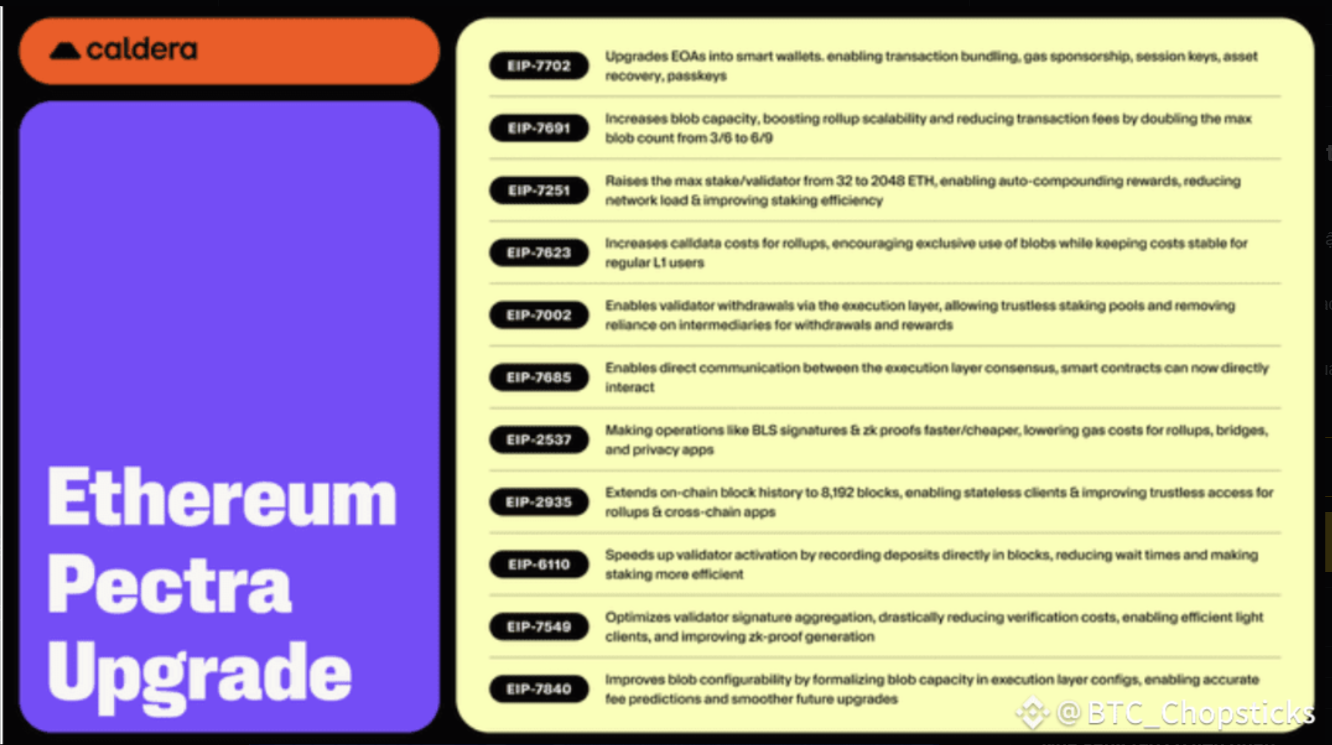
📌 1. EIP-7702: EOA wallet account abstraction
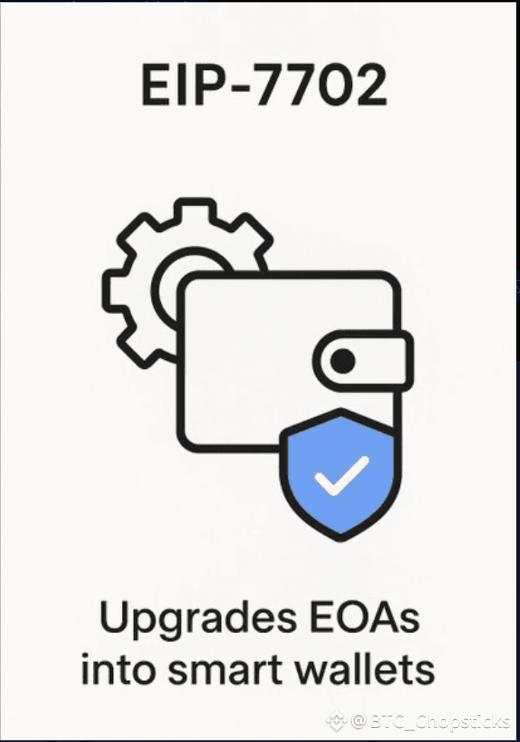
EIP-7702 allows ordinary wallets (EOA) to have smart contract capabilities, introducing the following features:
Transaction Batching
Gas Sponsorship
Session keys and account recovery mechanisms
Support Passkey login (i.e. biometrics such as WebAuthn)
📈 Impact Analysis:
This is an important step in promoting large-scale application of Web3. It greatly reduces the threshold for using DApps, paves the way for experiences such as "gas-free transactions" and "one-click payment", and directly improves user growth and retention.
📌 2. EIP-7691: Blob expansion to reduce Rollup costs
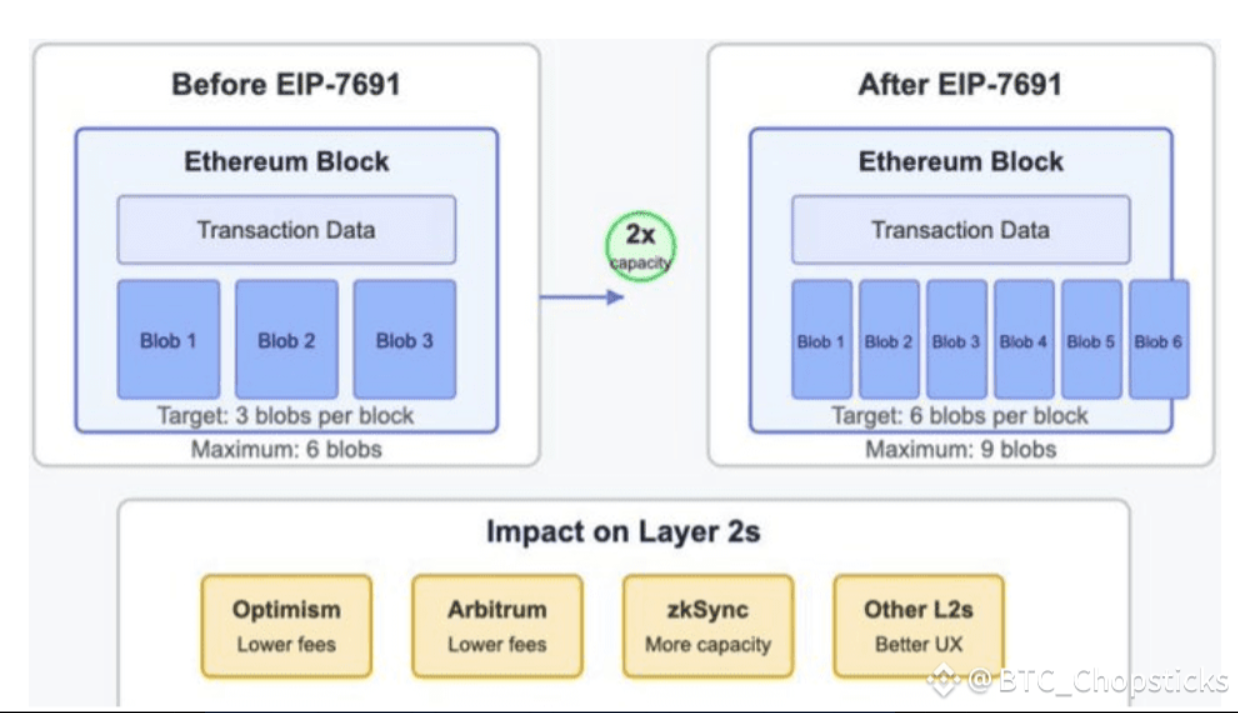
The proposal increases the maximum number of blobs per block from 3 to 6-9, further reducing the gas fee of Layer 2.
📉 Short-term impact:
While user-friendly for L2, fee income and ETH destruction rates on Ethereum mainnet (L1) will decline, which may put deflationary pressure on $ETH price in the short term.
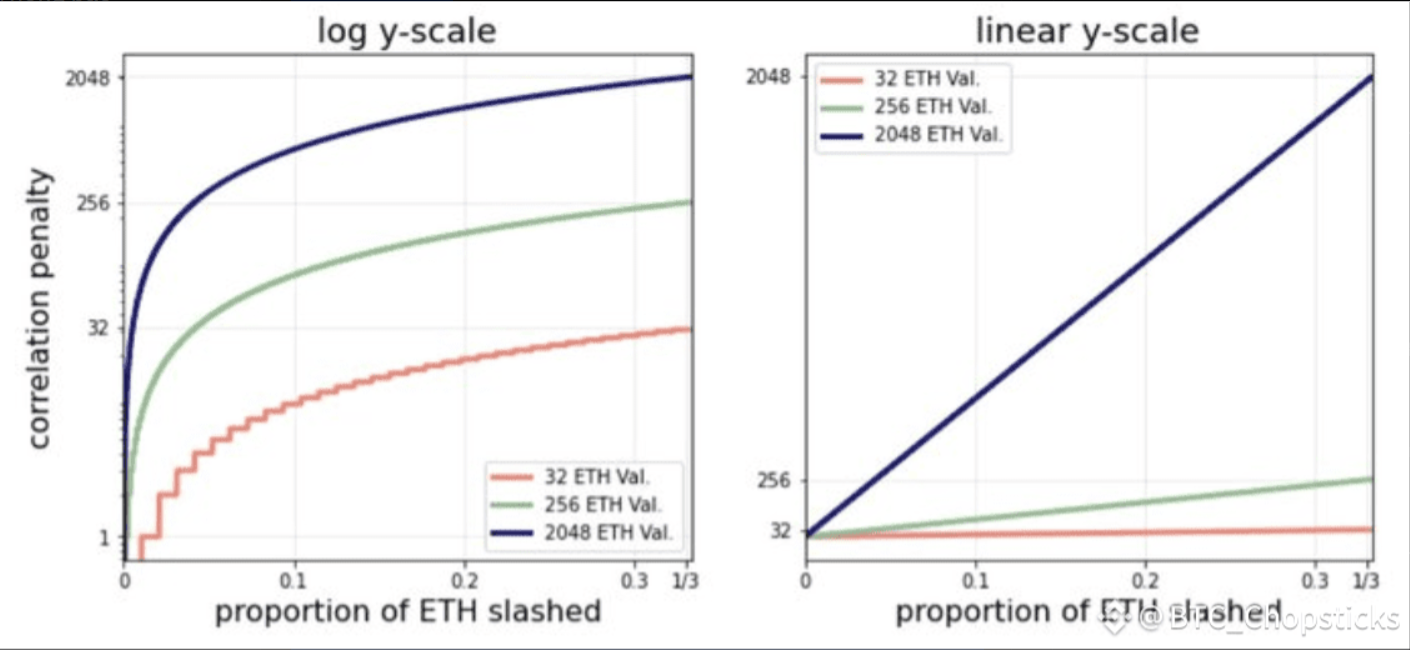
📌 3. EIP-7251: Staking limit increased to 2048 ETH
Stakers can increase their stake from a maximum of 32 ETH to 2048 ETH, significantly reducing the number of validating nodes.
⚖️ Risks and opportunities:
Although it improves staking efficiency and reduces network congestion, it also raises centralization risks, which is more beneficial to large staking platforms such as Lido.
📌 4. EIP-7623: Encourage Rollup to fully switch to Blob
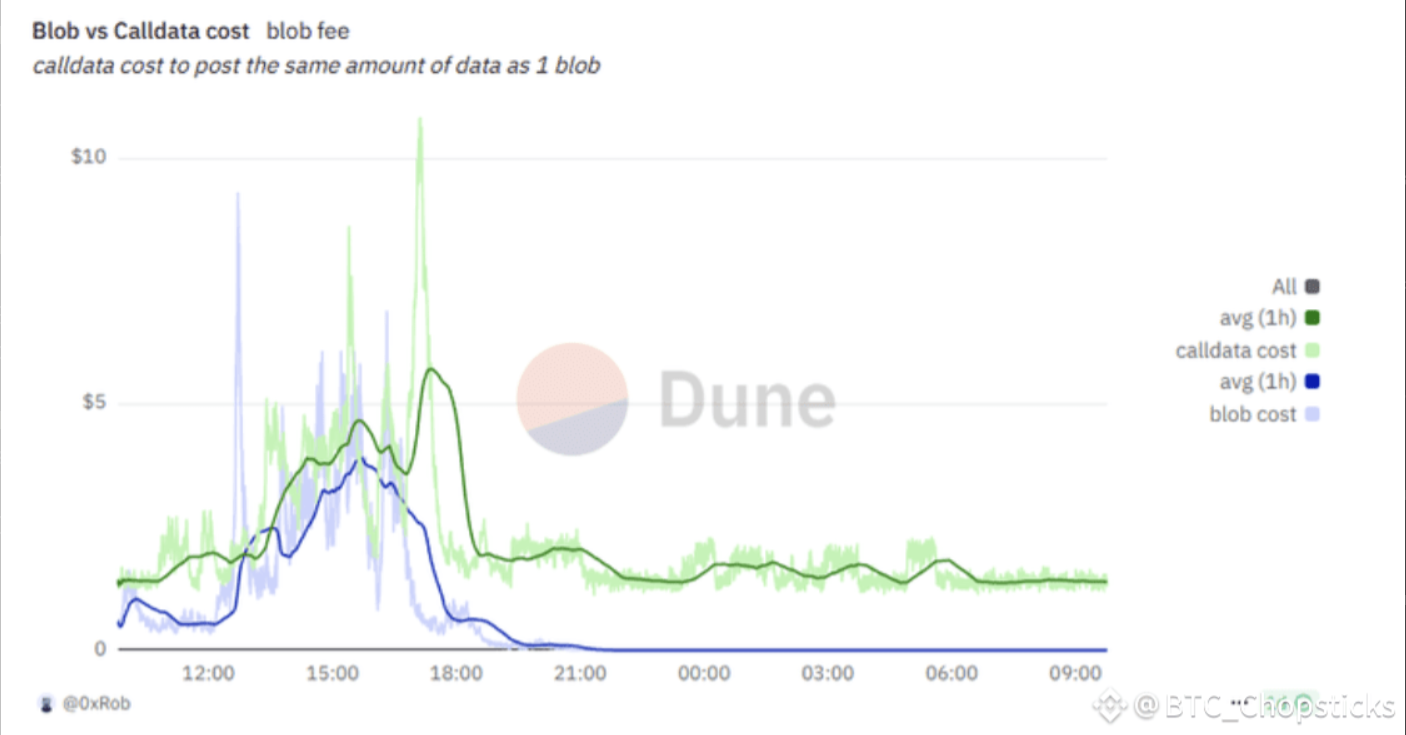
By increasing the cost of using traditional calldata, Rollup is guided to switch to Blob, reducing the burden of permanent storage of on-chain data.
📉 Short-term impact:
It will accelerate Ethereum ’s shift to a “modular architecture”, but it will also reduce L1 revenue, creating a deflationary effect on $ETH.
📌 5. EIP-7002: Execution layer controls pledge withdrawals
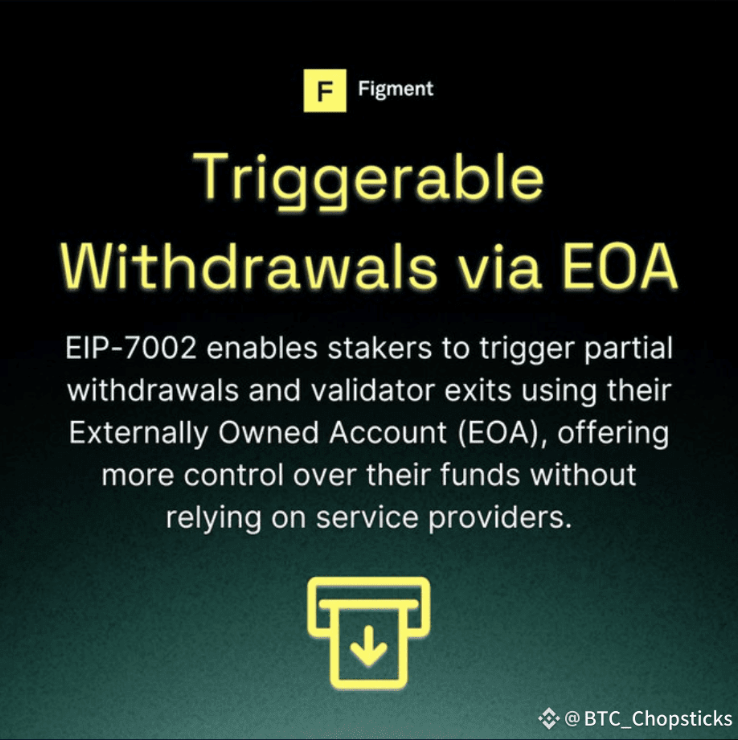
Allow smart contracts to trigger staking withdrawals without the need for validators to do so.
🔁 Impact:
Improved automation and programmability of staking, especially beneficial for liquidity staking protocols and re-staking infrastructure.
📌 6. EIP-7685: Enhance communication capabilities between EL and CL
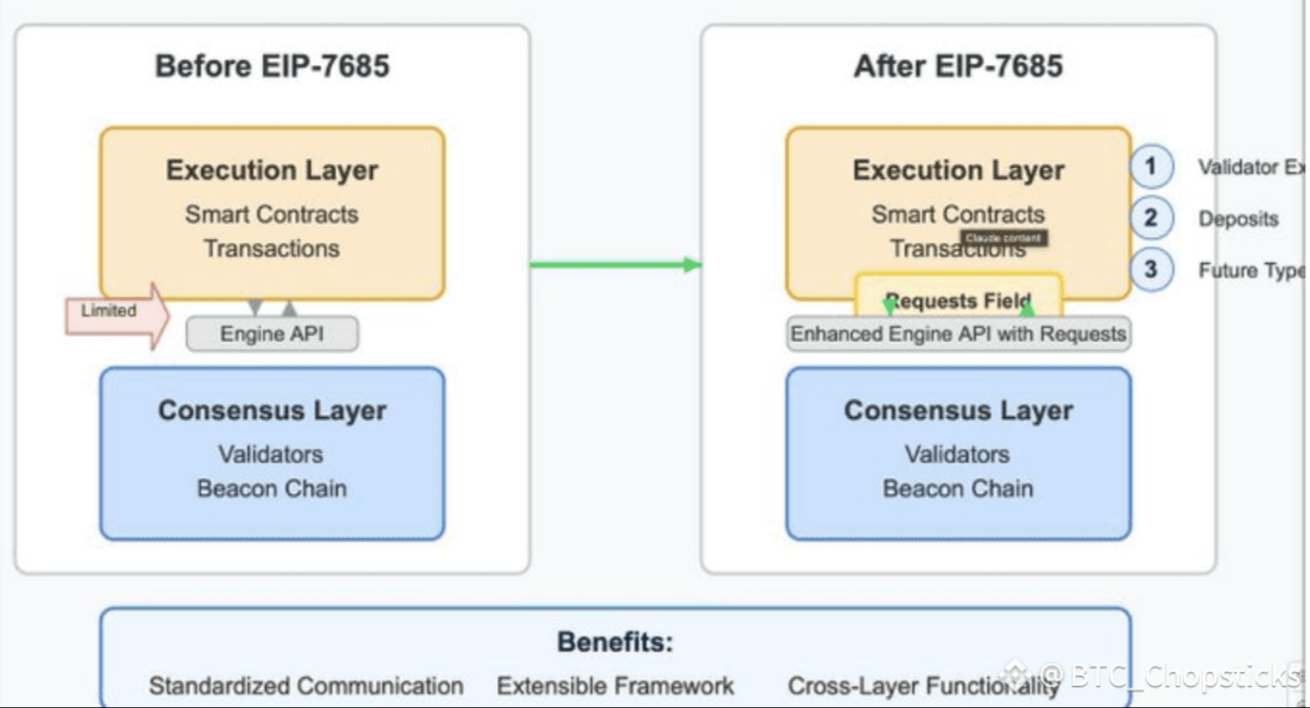
It enables smart contracts to send structured requests to the consensus layer (CL), breaking down the data barriers between the execution layer and the consensus layer.
⚙️ Meaning:
Although it will not affect the user experience in the short term, it will pave the way for advanced features such as re-staking and modular verification in the future.
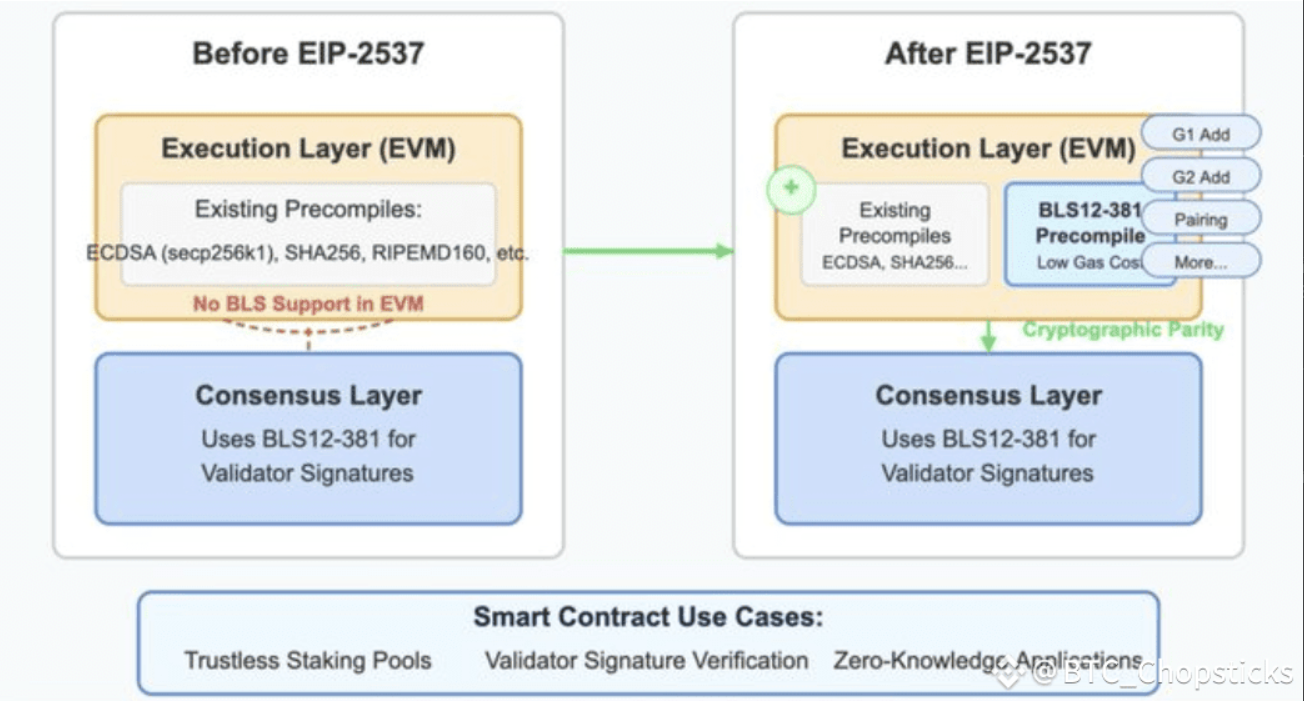
📌 7. EIP-2537: Native support for BLS signatures
Make zk proofs, cross-chain bridges and other operations faster and more efficient, and improve cryptographic capabilities.
⚡ Long-term benefits:
Promote the development of zkRollup and privacy applications, and enhance Ethereum 's core competitiveness.
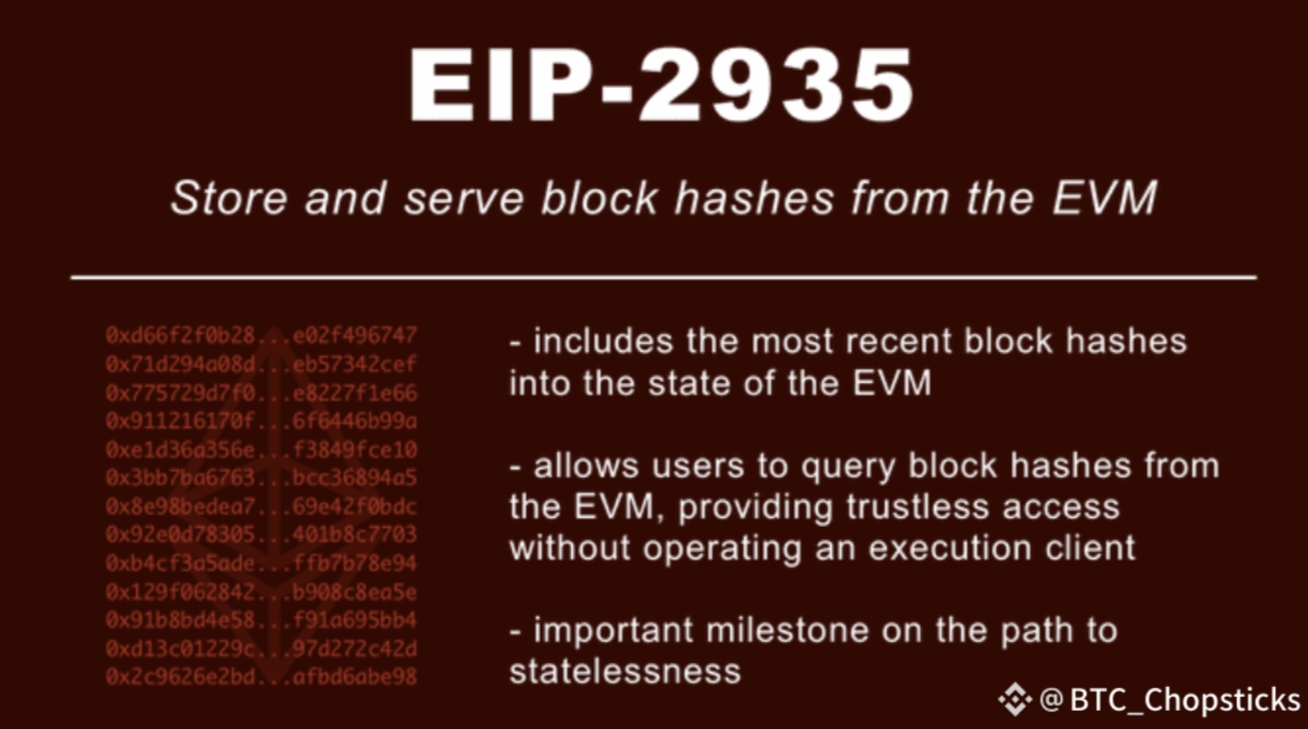
📌 8. EIP-2935: Increase block history access capabilities
Allows contracts to query historical data from 8192 blocks ago, instead of the current limit of 256.
🔍 Impact:
Support more complex light clients, cross-chain bridges, voting mechanisms and other advanced use cases to enhance ecological resilience.
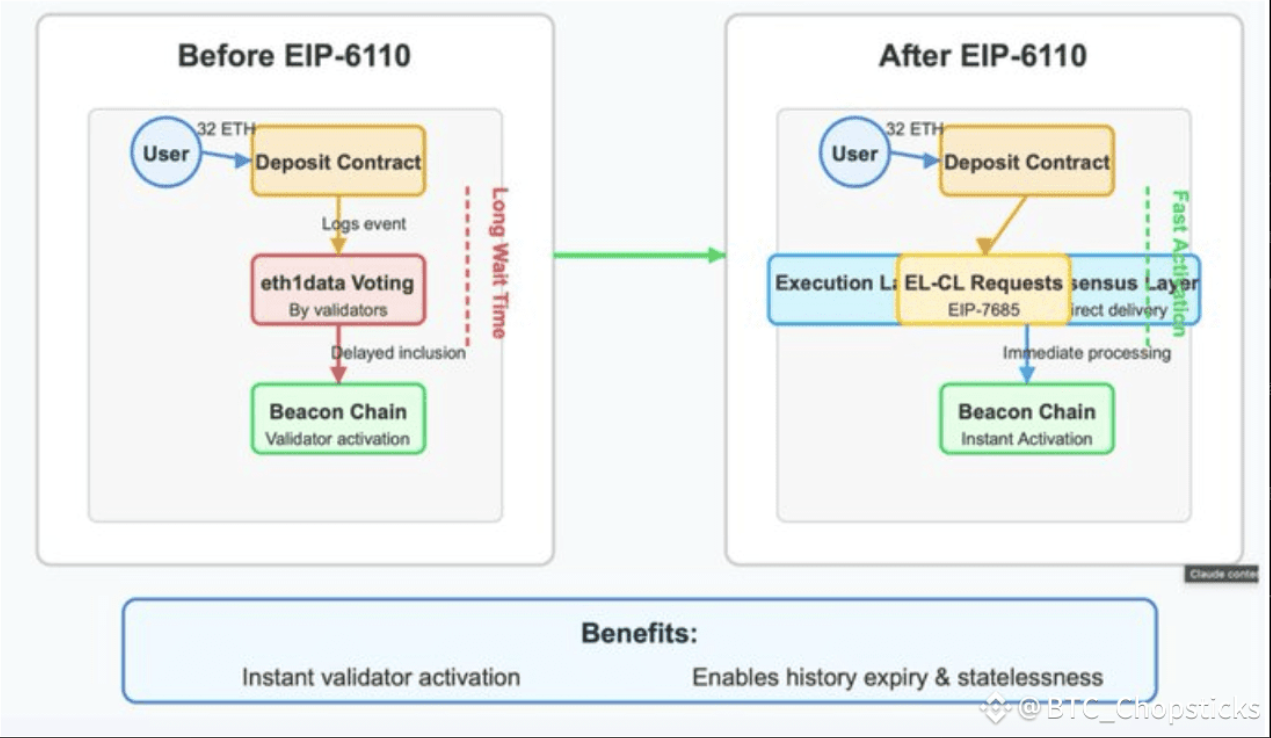
📌 9. EIP-6110: Improving the speed of staking entry
The pledge request is directly packaged through the system contract to reduce the waiting time for validators to enter the market.
📈 Potential Impact:
Increasing staking participation will help increase the amount of ETH locked, indirectly supporting the price of ETH.
📌 10. EIP-7549: Reduce the size of signature data
Optimize the validator signature message structure to reduce network burden and improve zk verification efficiency.
🌐 Technical significance:
Improving the overall scalability of Ethereum will have a profound impact on the Rollup ecosystem .
📌 Eleven, EIP-7840: Standardized Blob Management
Provide unified Blob processing configuration for the execution layer to optimize cost estimation and upgrade deployment.
🧰 Developer benefits:
Improve the Rollup development experience and enhance the predictability and security of upgrades.
Summary Conclusion:
The PECTRA upgrade is a decisive step for Ethereum towards modularity, user-friendliness and efficiency.
Although in the short term, due to the reduction of on-chain fees and the decrease in the speed of ETH destruction, there may be a certain selling pressure on the ETH price. However, from a medium- to long-term perspective, it lays a solid foundation for the following trends:
True account abstraction is universal
Lower cost L2 transaction experience
Automated, efficient, and programmable staking system
More flexible infrastructure support
As these technologies gradually release value, ETH 's long-term growth foundation will become more solid. Short-term pullbacks are a foreshadowing of long-term breakthroughs. Only investors who truly understand the underlying logic of technology deserve the dividends of the next cycle.


