Author: hmalviya9, Founder of @dyorcryptoapp
Compiled by: Rhythm Little Deep
Editor's note: The article explores the process of Web3's gradual erosion from the decentralized ideal to capitalism: initially established by pioneers pursuing freedom, Web3 attracted capitalists due to the scarce block space of Bitcoin and other blockchains. Subsequently, the expansion of new territories such as Ethereum and technologies such as Layer-2 caused the block space to become flooded and its value to decline. Although new lands continue to emerge, Web2 users are hesitant to move in due to complexity and risks, while big players such as exchanges and market makers profit by manipulating the market. Ultimately, Web3 deviated from its original intention and became a capital-dominated speculative paradise.
The following is the original content (for easier reading and understanding, the original content has been reorganized):
We have two digital planets: Web2 and Web3.
The Web3 planet is quite new — it was originally built by pioneers who believed in decentralization, freedom, and autonomy. In its early days, it was a wild, unexplored land with no rulers, only builders.
But then, the bridge between Web2 and Web3 was built. At first, only a few capitalists from Web2 arrived, attracted by the raw potential of this new world. They stood aside and observed, analyzing the terrain, understanding the rules, and identifying the most valuable territories.
The first wave of mass colonization begins with Bitcoin, the most precious nation on the Web3 island. It is a scarce piece of land where ownership is clear and power belongs to those who understand its fundamentals.
But once the first settlers took control and amassed wealth, they began to expand. They discovered that Web3 was much more than Bitcoin. There was a vast untamed land waiting to be shaped. Soon, they went beyond Bitcoin to establish new territories — Ethereum, Solana, Polkadot, and countless others.
As more land was discovered, the race to carve up new nations intensified. Initially, block space was scarce. The earliest blockchains operated under strict constraints—every transaction required space, and there wasn’t enough of it. This scarcity gave block space enormous value. Owning a small piece of block space meant having a seat at the table in the new digital economy. But as competition grew, so did innovation.
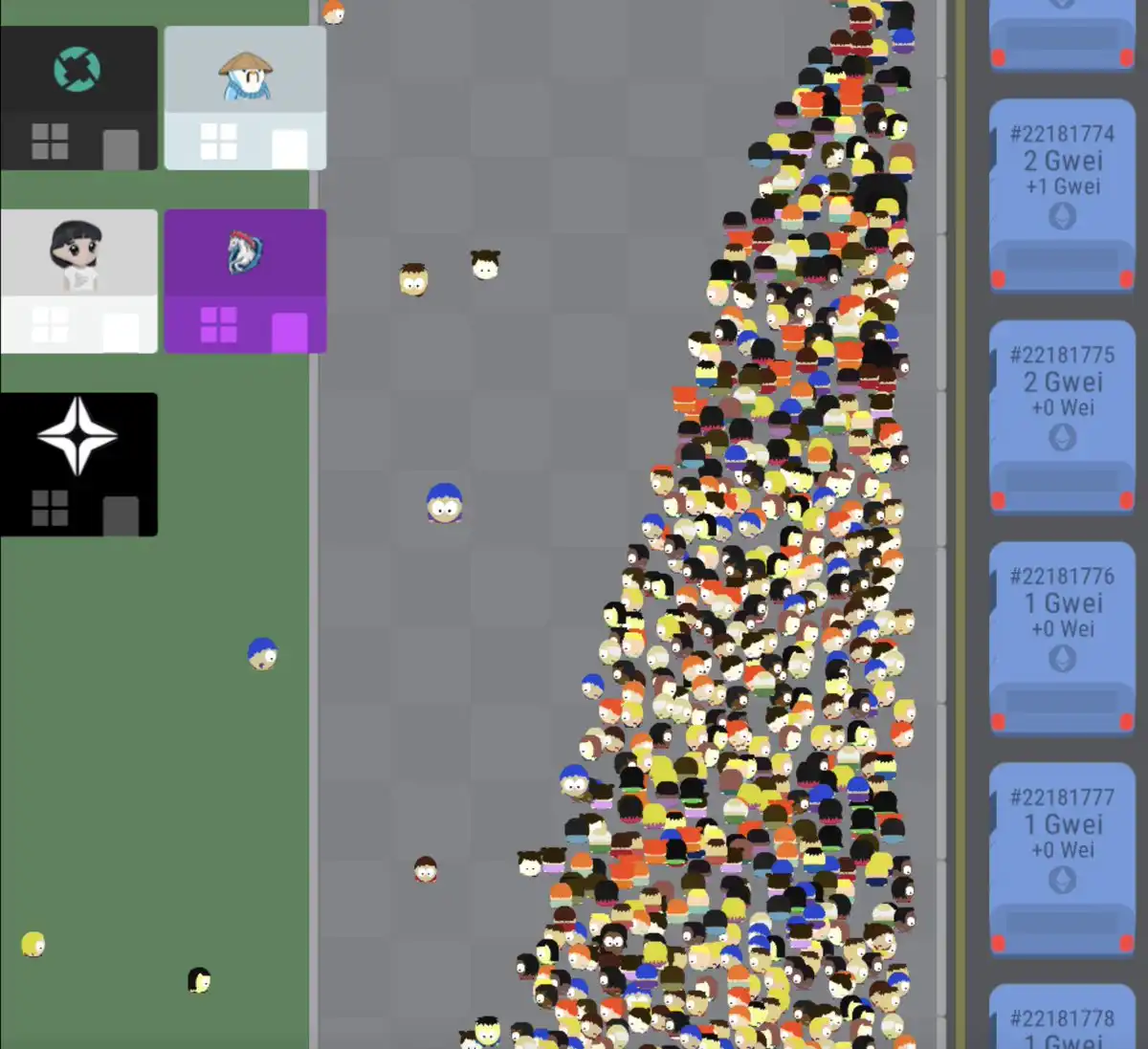
Ethereum transaction visualization
More efficient ways of creating blockspace emerged. Layer 2 solutions, Rollups, alternative chains — each brought a ton of new land to the Web3 planet. Commodities that were once scarce became abundant.
Builders no longer fought over limited space; instead, they created endless new land to meet the growing demand for settlement. But the flood of block space had unintended consequences.
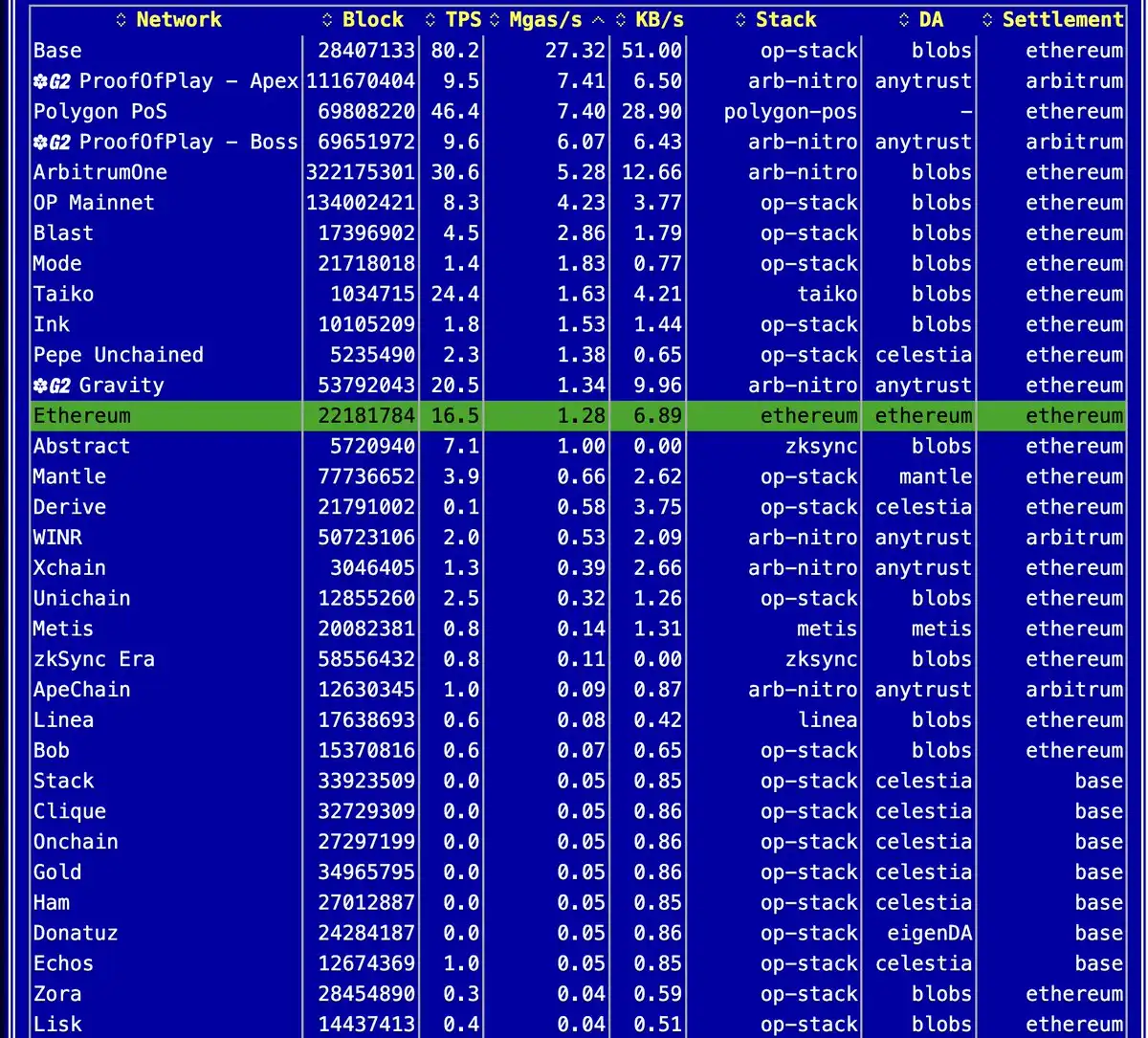
Image source: rollup.wtf
What was once precious has become cheap. The cost of storing transactions — once a key economic force — has plummeted. The promise was that cheap block space would attract millions of new settlers to Web2, but the reality has not been quite so.
The Web2 folks hesitated.
They’ve heard stories of adventurers entering Web3, lured by promises of riches, only to be devoured by predators. Some Web2 denizens have indeed taken the leap, lured by tales of getting rich overnight.
They enter Web3 hoping to take a seat at the table in the new economy. Many start by buying small plots of land — various tokens, each promising future value. They trade, speculate, start businesses, and believe they are in the early stages of the next great revolution.
But they don’t realize that Web3 has already been structured by the earliest settlers and the most powerful capitalists. The rules of the game are not written down, but those who control this land know it well. As more people from Web2 move in, they are unknowingly trapped. The complexity of Web3 is daunting.

There are too many new countries, with different rules, and too many scams disguised as opportunities. Big players control the flow of information, manipulate markets, drive up values, and "pull the rug out" from under the feet of unsuspecting settlers.
Planet Web3 has become a playground for those who know how to extract wealth from the ignorant. Even though block space is cheaper than ever, adoption remains slow. The dream of a mass migration from Web2 to Web3 is fading.
New Land promised a seamless user experience, but never reached the familiarity and convenience offered by Web2. The additional promise of fast incentives was not enough to impress people - people in Web2 had seen too many of their fellow citizens get burned.
They watched entire nations within Web3 rise and fall overnight, fortunes gained and lost in the blink of an eye. Ordinary people hesitated, unable to see through the chaos. Yet, amid the turmoil, a thriving trading market emerged.
Web3’s real estate — tokens — become the lifeblood of its economy. Everything is for sale. Each nation has its own assets, unique value, and promise for the future. The trading floor never stops, open 24/7, and driven by speculation, manipulation, and greed.
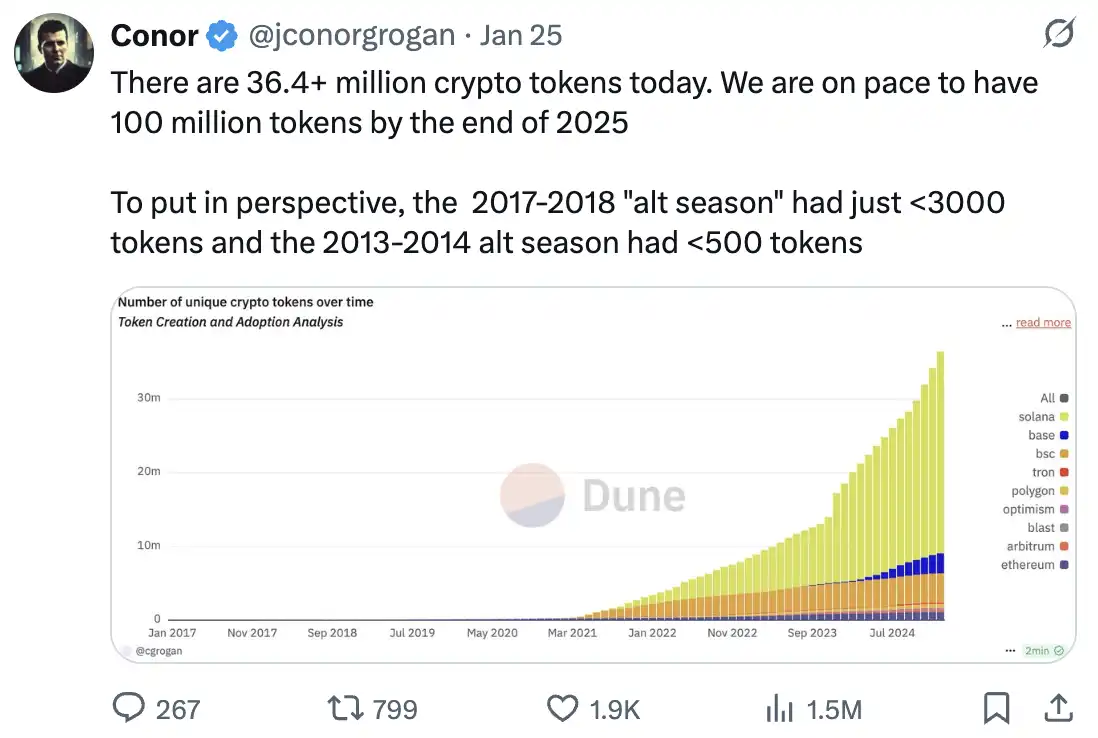
Some nations prosper temporarily, then decline as attention shifts. New land is minted daily, sold to the highest bidder, and doubled in profit in the short term. The cycle never ends. And while the settlers struggle, the true beneficiaries of Web3 thrive.
Bridge operators — exchanges — become gatekeepers, controlling the flow of assets between Web2 and Web3.
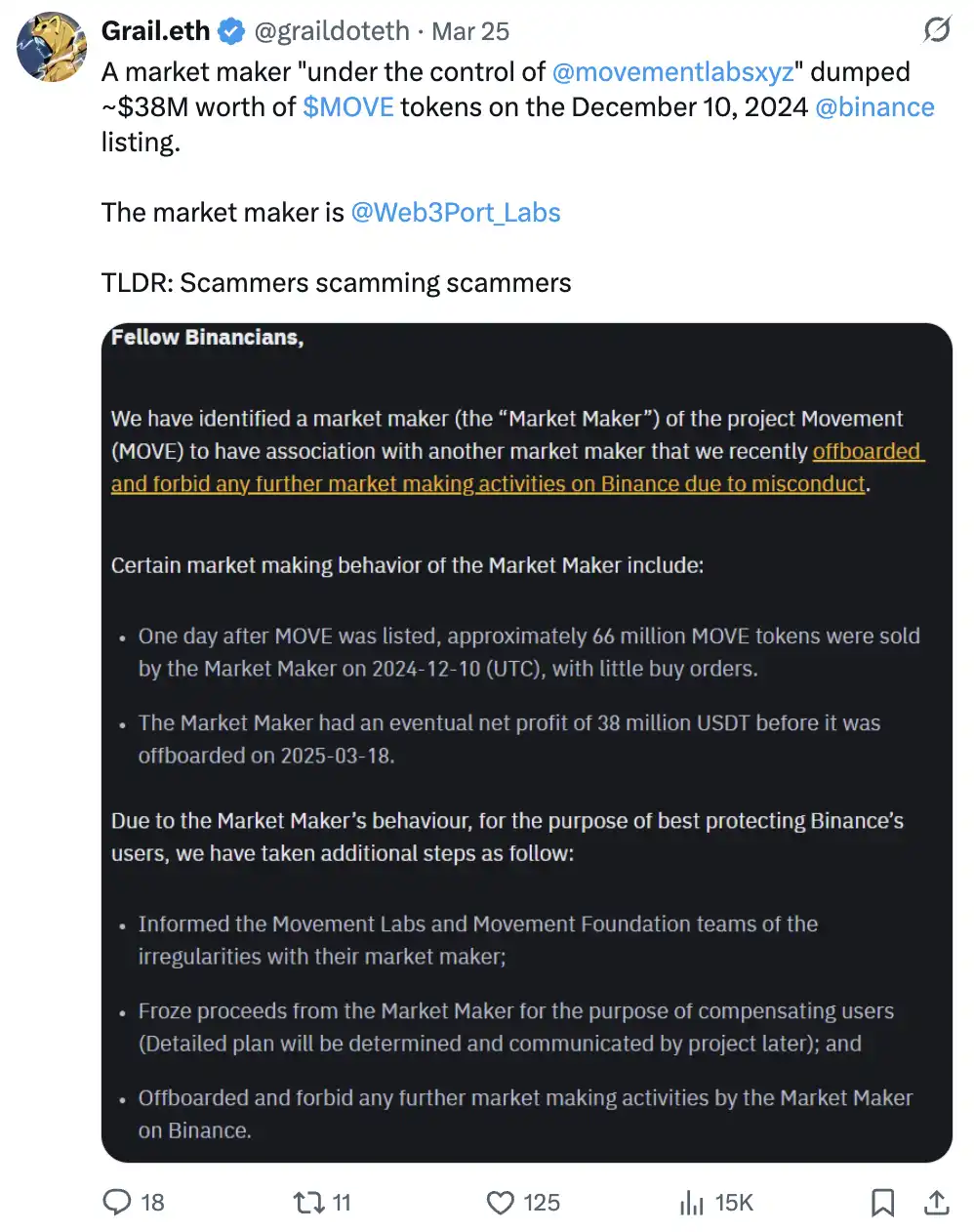
In short: liars liars.
They make a profit every time someone enters or leaves. Market makers—the hidden forces that manage liquidity—make sure every transaction is noticed, taking a cut. Developers keep building, not necessarily to innovate, but to create more land to sell. And the marketers? They spin stories, craft narratives, and sell the dream to the next wave of hopeful settlers.
The dark side of Web3 is that it is no longer truly decentralized. The early ideals of a free and open digital frontier have been replaced by the cold reality of capital.
The same forces that dominated Web2 have infiltrated Web3. They have not only populated it, they have reshaped it to suit their needs. And so, the Web3 planet continues to expand, becoming an endless frontier of digital land, speculation, and fleeting opportunity.
The dream of true decentralization remains. Settlers are still arriving, hoping to get rich, but in the end, most leave poorer than when they arrived.
Meanwhile, those who control the system continue to extract, build and control, ensuring that the planet remains shaped by them.
