Introduction: Why RWA has become the main battlefield for the implementation of blockchain technology
With the full acceleration of the digital economy, RWA tokenization has become the underlying logic mechanism linking traditional physical assets (such as real estate, bonds, energy facilities, intellectual property, etc.) with the blockchain financial system. It builds a trusted asset circulation chain through smart contracts, on-chain data mapping and cross-chain protocols, greatly improving asset liquidity, transparency and capital efficiency. However, from on-chain design to real asset access, RWA also faces multiple technical and regulatory barriers such as cross-chain isolation, data privacy, and compliance mapping.
1. Technical architecture and implementation system of RWA tokenization
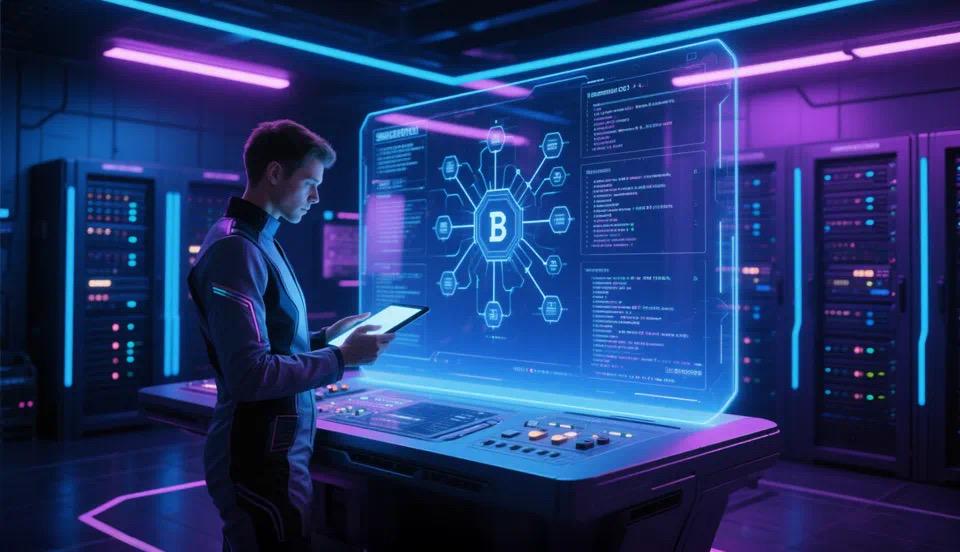
1.1 Smart contract drives right confirmation and income distribution
-
Use ERC-20, ERC-721/1155 and other standards to carry out asset mapping
-
Realize asset splitting, income triggering and distribution through contracts
-
The position address is embedded with KYC/AML verification logic, and only authorized addresses can participate in transactions
1.2 Data on-chain and oracle mechanism protection
-
IPFS/Arweave and other distributed storage methods are used for evidence storage
-
Chainlink and other decentralized oracles provide trusted on-chain input for asset valuation and operational data
1.3 Identity system and compliance governance
-
Integrate DID and KYC/AML services to achieve identity privacy and compliance identification
-
Compliance rules are precisely embedded in contracts, supporting whitelist mechanisms and regional investment restrictions
1.4 Layered technical architecture design
-
Basic chain layer: Ethereum, Polygon, Hyperledger Fabric, etc.
-
Contract layer: business logic such as asset issuance, segmentation, and compliance verification
-
Middleware layer: data bridges such as oracle, cross-chain protocol, and identity system
-
Application layer: UI/API management background, realizing full process control of asset issuance → transaction → liquidation
II. RWA tokenization: from asset evaluation to token life cycle
-
Asset selection and value assessment: Combine IoT data with third-party audits to conduct legal and financial due diligence
-
Digitalization of off-chain information: Asset certificates and valuation information are stored on the chain
-
Token issuance and compliance embedded: KYC/AML whitelist mechanism is bound during issuance
-
Real-time data bridging: Oracle dynamically synchronizes asset operation status
-
Cross-chain circulation and market transactions: Use IBC/Polkadot and other protocols to achieve efficient DEX/CEX transactions
-
Repurchase and destruction mechanism: When the token expires, the contract automatically repurchases and destroys it, completing the closed loop
Case:
In 2024, Longxin Group joined hands with Ant and UBS to launch a 9,000-unit RWA project for charging piles in mainland China in Hong Kong. It accesses IoT data through API, automatically distributes income through contracts, and performs regulatory desensitization through cross-border chain bridges at Hainan nodes. It is a representative of compliant cross-border RWA.
III. Core Challenges and Innovative Solutions
| Challenges | Technical pain points | Technical solutions |
|---|---|---|
| Cross-chain interoperability | Cross-chain bridges are vulnerable to hacker attacks, and transaction consistency is difficult to ensure | Use IBC, Chainlink CCIP, ZKP+multi-signature to improve security and efficiency |
| Privacy and data security | Off-chain sensitive data needs to be protected and compliant | Zero-knowledge proof, homomorphic encryption, MPC, multi-signature mechanism |
| Smart contracts and oracle security | Contracts are immutable, and the oracle has a single point of failure | Strict auditing, formal verification, and oracle multi-source verification |
| On-chain and off-chain mapping is consistent | Data lag or tampering will lead to value deviation | IoT real-time collection, data double-chain verification mechanism |
| Performance and cost bottlenecks | High public chain fees and low throughput affect transaction efficiency | Application of Layer2 and consortium chain to improve efficiency and scalability |
IV. Exploration of mainstream platforms and practical cases
-
Ethereum + Centrifuge: Demonstration of $500 million in structured financing
-
Polygon + UBS Fund: Achieve T+0 settlement and optimize transaction efficiency
-
Hyperledger Fabric / Corda: Applicable to privacy-sensitive assets such as green bonds
-
Polkadot / Cosmos cross-chain protocol: Achieve RWA cross-network ecological interoperability
V. AI Assists RWA: Intelligent Engine Drives Deep Innovation

-
Intelligent valuation and risk control: AI automatically generates dynamic pricing and risk assessment models
-
Intelligent compliance automation: NLP drives RegTech to accelerate KYC/AML verification
-
Contract adaptive optimization: AI-assisted contract parameter adjustment and active risk avoidance
-
AI Oracle: Dynamically predict asset prices and strengthen the ability of the oracle to resist manipulation
-
Personalized user experience: AI recommendation protocol, optimized usage process
VI. Policy level and ecological synergy trend
-
Hong Kong Ensemble Sandbox: Promote compliance pilots in RWA fields such as green bonds and supply chains
-
Hainan Free Trade Port: Build a "on-chain assets + off-chain desensitization" cross-border RWA channel
-
International Bank Alliance: UBS, Goldman Sachs, and HSBC are deeply involved in the issuance of Polygon Funds and digital bonds
Future policy trends: Many countries will formulate unified legal definitions and standards for RWA tokenization, and cross-border regulatory sandboxes will promote industry integration.
VII. Industry Outlook and Action Suggestions
-
Technology Ecosystem Construction: Promote the development of cross-chain protocols, privacy computing, and IoT data standardization
-
Compliance and Innovation Integration: Collaborate with regulators to build RWA whitelists and cross-border regulatory mechanisms
-
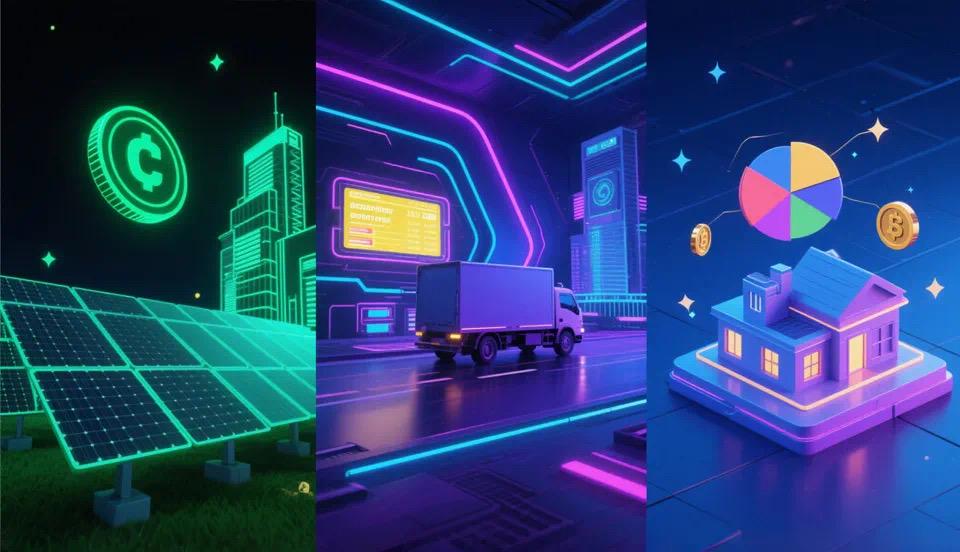
Multi-scenario Deep Cultivation: Green finance, supply chain, copyright and real estate are constantly expanding
-
International Collaboration Initiative: Jointly promote the RWA universal ecosystem with industry, regulatory and standard organizations
🔚 Conclusion
RWA tokenization is the key path for blockchain technology to move towards the real economy. Through the integration of smart contracts, data bridging, cross-chain architecture and AI technology, assets can be put on the chain, governance can be intelligent, and transactions can be efficient. Looking to the future, with the support of policies, standard systems and international collaboration, RWA will become an important infrastructure for green finance, supply chain upgrades, asset securitization and cross-border investment, and build a new ecosystem of trillion-level digital assets.