
Author: Mengqi | Editor: Mengqi
1. Bitcoin market
During the period from July 19 to July 25, 2025, the specific trend of Bitcoin is as follows:
July 19: Bitcoin price started to fluctuate and fall in the early trading. It fell from $117,930 to $117,073 and then rebounded. It rose to $117,912 and started to fluctuate and climb. It rose to $118,426 and then weakened. It fell back to $117,721 in the evening and stabilized again. It closed at $118,113 at the end of the trading. The strength of buyers and sellers was relatively balanced.
July 20: Bitcoin showed a narrow range of fluctuations and a strong trend overall. After opening, it slightly dropped to the intraday low of $117,544, and then entered a typical step-by-step upward shock structure. The price gradually climbed and broke through $118,117 and $118,287 successively, and further rose to $118,731 at the end of the day, showing that the bulls' intention to control the market has increased.
July 21: Continuing the previous day's upward momentum, it rose to $118,778 and then experienced a technical correction, and then quickly rebounded to around $118,557. However, the market suddenly fell in large volume, falling to a minimum of $116,914, and then a rapid V-shaped reversal occurred under the impetus of strong buying. The price not only rebounded to $118,644, but also once exceeded $119,605. Although it failed to stabilize at this high level and fell back to $118,016 in the short term, it rose again to $119,072 in the late trading and finally closed at $118,377. The intraday fluctuations were fierce and the long-short game was extremely fierce, indicating that the market sentiment was turbulent in the short term.
July 22: The price continued the high volatility of the previous day, starting to decline from $117,473 in the early trading, and rebounded after falling to $116,762. It showed a fluctuating upward trend for a period of time, rebounding to $117,804 and then bottoming out again at $116,639, forming a double bottom structure and gaining effective support. Bitcoin regained its upward momentum in the afternoon, fluctuated upward and successfully broke through the $119,000 mark, reaching a high of $119,429. Although it experienced a brief correction in the evening, the bulls quickly took over and maintained a strong trend, and finally closed at $118,956, indicating that the market bullish intention has increased.
July 23: Continuing the strong trend of the previous trading day, Bitcoin continued to rise after opening, reaching a high of $120,204, which is a recent stage high. However, it failed to achieve an effective breakthrough in the face of the key psychological barrier, and the price gradually fell back to $117,915. Subsequently, the bulls and bears fought fiercely, and the price fluctuated, reaching a low of $117,474, indicating that the bulls and bears fought fiercely in the high area.
July 24: Bitcoin continued its high-level wide fluctuation trend, and the bulls and bears frequently switched during the day. In the early trading, the price was consolidated in the range of US$117,500 to US$118,700. Then the bulls exerted their strength, the price went up and formed a short sideways trend near US$119,000, and the highest reached US$119,274. However, after reaching this stage high, it encountered rapid selling pressure and the price fell rapidly, reaching a low of US$117,523. After that, the market staged a strong rebound again, hitting a new intraday high of US$119,373 in the late trading, and slightly corrected before closing. The overall pattern of violent fluctuations remained, indicating that the long and short divergences in the current range are still significant.
July 25: Bitcoin maintained the high volatility of the previous trading day, continued the rebound momentum in the early trading, and the price went up, reaching a high of US$119,398. However, this position once again became a short-term resistance, and then the market turned into a downward channel, and the price quickly fell back to around $117,850, and all the short-term gains were given up. As of the time of writing, Bitcoin is temporarily reported at $117,859 and has not yet left the oscillation range. Overall, in the short term, the price is still in the oscillation consolidation range of $117,500 to $119,500. If there is no strong breakthrough, the oscillation pattern is expected to continue, and short-term trading still needs to be vigilant against the risk of sudden reversal.
Summary
This week, the overall trend of Bitcoin showed a wide range of fluctuations. In the early stage, it showed a narrow sideways consolidation, and in the later stage, it showed a fierce long-short game at a high level, and the market volatility increased significantly.
Specifically, from July 19 to 20, the price as a whole fluctuated around $118,000 in a narrow range, with a relatively limited fluctuation range, which is a typical accumulation and consolidation stage. Since July 21, market volatility has intensified, and Bitcoin prices have frequently experienced rapid pull-ups and deep pullbacks during the day, showing an obvious wide range of fluctuations. During the period, it repeatedly attacked the integer levels of $119,000 and $120,000, but failed to achieve an effective breakthrough, indicating that the selling pressure from above was heavy. At the same time, the support below was also strong, and it rebounded quickly after falling to $116,639, indicating that the bulls actively took over below the key support level, and the market funds were fiercely competing.
The highest point during the week was $120,204, and the lowest point was $116,639, with an amplitude of 3.06%. The high-level oscillation pattern has not been broken on the technical side, and it is still treated as oscillating and strong in the short term. It is necessary to focus on the breakthrough of the pressure range of $119,000 to $120,000 and the effectiveness of the support in the area of $117,500 to $116,500. The subsequent trend may be guided by changes in trading volume and macro news.
Overall, although Bitcoin did not achieve a clear breakthrough this week, the bullish momentum has been revealed. If the market breaks through the key resistance level in the future, it may usher in a new round of trend market. On the contrary, if it falls below the key support area again, it is not ruled out that it will enter a deeper adjustment stage.
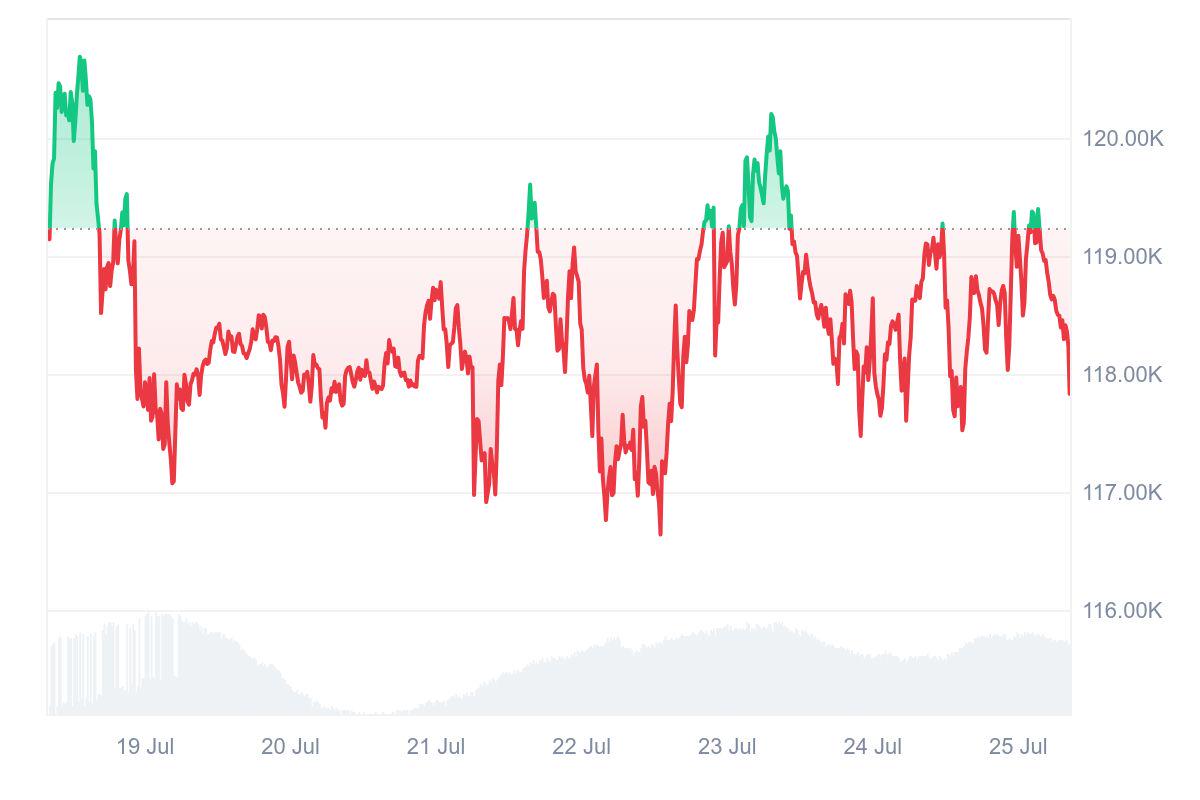
Bitcoin price trend (2025/07/19-2025/07/25)
2. Market dynamics and macro background
Fund flow
1. Market funds are diverted to altcoins, and Bitcoin's market share has declined
According to market data, Bitcoin's market share (BTC Dominance) has fallen for 8 consecutive days, and as of July 20, it has fallen to 61.15%, lower than the full-year high of 2024 (61.53%). The continued decline in Bitcoin's market share indicates that the "altcoin season" is gradually opening.
On July 22, Coingecko data showed that Bitcoin's market share further dropped to 58.5%, mainly driven by the strong performance of mainstream altcoins such as Ethereum (ETH) and Ripple (XRP): ETH rose 25.0% in seven days, XRP rose 20.4%, SOL and BNB rose 15.4% and 10.2% respectively.
Crypto analyst @DaanCrypto pointed out that in the past month, most of the top 100 altcoins by market value have outperformed Bitcoin, which is the core driver of the decline in market share.
2. Miners and whales sold off in large quantities, and the BTC inflow to the exchange reached a new high
As the price of Bitcoin climbed to a historical high, on-chain data showed that large-scale selling occurred simultaneously:
-
On July 15, the daily inflow of Bitcoin to the exchange soared to 81,000 BTC, the highest since February
-
Among them, the inflow of whales with a single transfer of more than 100 BTC surged from 13,000 BTC to 58,000 BTC
-
During the same period, miners transferred out 16,000 BTC, almost all of which flowed into the exchange
Ethereum also shows a similar trend: 2 million ETH flowed into the exchange on July 16, the highest point since the end of February this year, indicating that the market's short-term profit-taking sentiment has increased significantly.
3. Various types of holders restart the hoarding mode, and funds turn to on-chain precipitation
Despite the intensified short-term market volatility, on-chain data shows that various types of coin holders have returned to the "hoarding" behavior. Glassnode's July 21 report pointed out that from small investors to giant whales with tens of thousands of coins, almost all wallet size groups have re-entered the "perfect hoarding mode." The on-chain activity of whale wallets has returned to the level of December 2024, indicating that the market as a whole has strong confidence in the medium- and long-term trend.
4. Long-term holders have increased on-chain distribution, but it is difficult to change the trend of net inflow of funds in the medium and long term.
On July 24, CryptoQuant analyst Axel Adler Jr pointed out that Bitcoin currently has an abnormally high monthly capital destruction (CDD)/annual CDD ratio of 0.25, which is comparable to the peak in 2014 and the correction period in 2019, reflecting that long-term holders (LTH) are transferring BTC that has been dormant for many years back to the chain for sale.
This phenomenon means that experienced investors in the market (especially old coin holders) are actively distributing chips; the bull trend has been subject to a certain degree of "internal distribution resistance"; the current price has triggered some early coin holders to stop profit. However, Axel emphasized that despite the selling pressure of LTH behavior, the following: US ETFs continue to attract funds (see Part 5); Treasury funds are still allocating assets; therefore, this round of distribution is more likely to be just a signal of a slowdown in short-term gains, rather than the beginning of a complete reversal of the trend. 5. ETF funds continue to flow in Daily ETF fund inflow/outflow details this week: July 21: -131.4 million US dollars July 22: -68 million US dollars July 23: -85.8 million US dollars July 24: +194.2 million US dollars Despite outflows on some dates, the overall performance of US spot Bitcoin ETFs remains strong: on July 20, the total on-chain holdings exceeded 1.285 million BTC, accounting for 6.46% of the total Bitcoin supply, corresponding to a market value of approximately US$151.8 billion. At the same time, Ethereum ETF performed particularly well last week, recording a net inflow of US$2.182 billion, not only setting a record high for a single week, but also doubling from the previous week. Bitcoin ETF also recorded a net inflow of US$2.385 billion during the same period, ranking seventh in the ETF single-week fund inflow record (fifth in the previous two weeks). This trend shows that both mainstream assets such as Bitcoin and alternative mainstream assets such as Ethereum have received continuous attention and active allocation from institutional and retail investors, further consolidating the position of ETFs as medium- and long-term investment tools for digital assets. In addition, Grayscale also sent positive signals. On July 24, Grayscale Investments announced that its Bitcoin Mini Trust ETF (Grayscale Bitcoin Mini Trust), listed on the New York Stock Exchange, has exceeded $5 billion in assets under management since its launch on July 31, 2024, reaching $5.415 billion as of July 23, and the cumulative Bitcoin holdings reached 45,721, with a significant growth rate. Overall, ETFs are becoming an important channel for mainstream capital to enter the Bitcoin market, providing solid support for the overall market liquidity and price center. 1. Relative Strength Index (RSI 14) According to Investing.com data, as of July 25, 2025, Bitcoin's 14-day relative strength index (RSI) was 39.963, which is in the sell signal area. Typically, RSI runs in the 30–70 range, with values below 30 considered oversold and values above 70 considered overbought. The current RSI is around 40, indicating that the market is in a weak and volatile phase, with bearish momentum but no extreme oversold conditions. This position reflects that market sentiment is still cautious and buying power has not yet returned significantly. Although RSI has not yet entered the oversold area, if RSI continues to rise and breaks through the 50-point line, it will mean that bearish momentum is weakening and bulls are expected to regain control of the market rhythm; on the contrary, if RSI falls below 35, it will release a stronger signal of weakness, and we need to be alert to the risk of further market decline. 2. Moving Average (MA) Analysis 5-day moving average (MA5): 119,361 USD 20-day moving average (MA20): 115,362 USD 50-day moving average (MA20): 111,003 USD 100-day moving average (MA100): 100,906 USD Current market price: 117,480 USD The current price is running between MA20 and MA5, indicating that the market is in a short-term shock correction period: MA5 > Current Price > MA20: Indicates that short-term momentum has shown signs of slowing down, and the short-term moving average has turned downward, reflecting that there is a certain profit-taking pressure in the market. MA20 is significantly higher than MA50 and MA100: It shows that the medium-term trend still maintains an upward structure that has not been destroyed, and the long-term moving average system is firmly supported. If the price regains its footing above MA5 and is accompanied by an increase in volume, the short-term trend is expected to turn strong; on the contrary, if it loses MA20, it may test the support strength of MA50 below. The moving average is in a typical bullish arrangement, and the medium- and long-term trend remains healthy. As long as the price does not significantly fall below MA50, the overall structure remains bullish. 3. Moving Average Convergence Divergence (MACD) Analysis According to Investing.com data, as of July 25, the MACD fast line was -76.53. The current MACD fast and slow lines are both below the 0 axis, and the fast line continues to cross the slow line, forming a dead cross pattern, releasing a clearer "sell signal". The expansion of the histogram shows that the downward momentum is increasing and the bears dominate the market. The continued expansion of the MACD dead cross position indicates that the short-term downward trend may continue. If the subsequent Histogram begins to converge and the dead cross shrinks, it may be a precursor to the brewing period of the rebound, and it is necessary to pay close attention to the timing of the 0 axis crossing. 4. Key support and resistance levels Support level: The current short-term key support levels for Bitcoin are $117,500, $117,000 and $116,500. From the recent price behavior: On July 19, 21 and 22, BTC fell back to around $117,000 several times, and all received effective support, indicating that the market has strong buying power in this area. During the severe decline from July 21 to 22, the price once touched around $116,500, but rebounded quickly, indicating that this position is the short-term bottom support area of the current market, with a strong stop-loss effect. On July 24, the intraday bottomed out to around $117,500 several times and then rebounded, verifying that the willingness to buy at this price is strong, and it constitutes an effective defense line in the short term. If the market falls below $116,500, we need to pay attention to the bearing capacity of the lower support level below, including the 115,000 integer mark. Resistance level: The main resistance levels facing Bitcoin in the short term are $119,000 and $120,000, of which $119,000 is the key technical level that has been repeatedly blocked in recent trading days. On July 21, 22 and 24, the price tested the $119,000 resistance several times, but failed to break through effectively. Each time it approached or briefly broke through, it fell back, indicating that the selling pressure in this area was heavy. On July 23, it briefly broke through $120,000, but did not form an effective stabilization, and then fell back quickly, confirming that this level is still an important threshold for bulls to attack. In the medium term, if it can effectively break through $120,000 and stabilize, further upward pressure will be concentrated at $121,000. Comprehensive Analysis Based on the current structure, Bitcoin will remain in the range of $116,500 - $120,300 this week, and the market is waiting for a new direction. In the short term, the support gradually moves up, indicating that the bulls have a certain willingness to take over, but the selling pressure from above is still obvious, and there is no obvious large-volume breakthrough. The overall market is neutral and bullish. If the market breaks through $120,000 and stabilizes, it is expected to challenge $121,000 and even start a new round of upward trend; on the contrary, if it falls below $116,500, it is necessary to guard against the risk of weakening short-term sentiment and a callback to the $115,000-$114,000 range to seek new support. 1. Sentiment overview This week, the overall sentiment of the Bitcoin market showed a positive and optimistic trend. Although the price continued to fluctuate in the high range and the fluctuation range was significant, investors generally showed strong confidence in holding positions and risk appetite. There were many "roller coaster" fluctuations during the day, reflecting the fierce game between the long and short sides around the key price. From July 19 to 20, the price of Bitcoin remained sideways in a narrow range. The market trading sentiment was relatively cautious, and the wait-and-see sentiment heated up. There was no significant inflow or outflow of funds, reflecting that investors tended to wait for direction choices near key points. On July 21 and 23, the market trend showed a typical "false breakthrough + rapid retracement" market. Bitcoin broke through the short-term resistance level twice and then fell back quickly, indicating that the bulls lacked momentum and the bears counterattacked quickly, resulting in short-term fluctuations in market sentiment. In particular, the frequent inflow and outflow of highly leveraged funds further amplified short-term fluctuations, causing short-term sentiment to swing violently. Overall, the price of Bitcoin remained in a relatively high wide range of fluctuations this week ($116,500 - $120,300). Although the market sentiment was optimistic and positive, it showed strong uncertainty under the repeated interweaving of long and short forces. The bulls are still confident, but there is a lack of clear breakthrough catalysts, and the bears repeatedly exert pressure at key resistance levels, forming a typical high-level game pattern. 2. Key sentiment indicators (Fear and Greed Index) Fear and Greed Index (Fear & Greed Index) As of July 25, the Fear and Greed Index was temporarily reported at 66, which is in the "Greed" range, indicating that the current market participants are generally optimistic and willing to continue to participate in long transactions at high levels. Despite the large price fluctuations, the overall market risk appetite remains high, and retail investors and some institutional investors are still actively participating in the layout. Looking back at this week (July 19-July 24), the daily values of the Fear and Greed Index were: 69 (Greed), 68 (Greed), 67 (Greed), 67 (Greed), 70 (Greed), 67 (Greed). The index continued to remain in the range of 67-70 this week, with small fluctuations, and was always on the high edge of the "Greed" area, indicating that although there was a short-term technical correction in the market, the sentiment side was never substantially suppressed. This kind of sentiment structure often means that the market may have entered a high sentiment platform period, and once there is a lack of new upward drivers, it may trigger an emotional correction. It is worth noting that when the Fear and Greed Index continues to run at a high level and the price fails to effectively break through the key resistance range above, the market may be accumulating potential sentiment divergence risks, and the market needs to be vigilant about the periodic adjustment pressure brought about by "emotional overheating" in the future. In general, from the linkage between sentiment indicators and price behavior, the overall Bitcoin market is in a strong and volatile pattern at a high level this week. Although investor sentiment is optimistic, it has shown a certain degree of high-level hesitation and capital rotation. The continued greedy sentiment and the sharp fluctuations in the short cycle indicate that the market is in a highly sensitive critical stage. In the next week, if the price cannot effectively break through the previous high and stand firm at the key psychological level, market sentiment may face a transition process from optimism to caution. Investors are advised to pay close attention to changes in trading volume, on-chain capital flow data, and the evolution of macro-catalytic factors to prevent the risk of price retracement caused by short-term sentiment fluctuations. 1. Trump's "Fed Pressure Action" On July 24, Trump unexpectedly visited the Federal Reserve headquarters, using the excuse of criticizing the renovation overspending of more than $700 million to further pressure Federal Reserve Chairman Powell, demanding a substantial interest rate cut and hinting that personnel may be replaced in advance. This move was interpreted by the market as interfering with the independence of the central bank. Although it did not cause severe dollar volatility in the short term, it obviously increased policy uncertainty and boosted the demand for safe-haven assets (such as Bitcoin). 2. Powell's speech and key economic data combination On July 22, Powell reiterated at the European Conference that "the Fed will insist on data-driven and will not be swayed by political motives", implying that interest rate cuts will not be affected by the current situation. On July 23-24, second-hand housing sales, new housing starts, manufacturing and service PMI, and quarterly reports of about 112 companies will be released intensively. If the core inflation data is unexpectedly weak, it may once again stimulate market expectations for interest rate cuts and guide funds into Bitcoin. 3. China's economic recovery boosts global risk appetite On July 21, China's second-quarter GDP grew 5.2% year-on-year, exceeding market expectations, which led to a rebound in global market risk appetite and capital inflows into risky assets. At the same time, international trade tensions eased, U.S. stocks fluctuated and consolidated, and funds gradually poured into crypto assets. 4. Fund rotation trend: Bitcoin's safe-haven role is highlighted On July 22, the latest analysis showed that the correlation between BTC and traditional stock markets (S&P, Nasdaq) has dropped to about 0.2, and funds flowed into the crypto market when stocks pulled back. Since the beginning of July, Bitcoin has risen 3.5%, and its total market value has remained between $3.4-4 trillion. The weakening of U.S. stocks provides it with short-term upward momentum. 5. Traditional finance further embraces the crypto ecosystem On July 22, JPMorgan Chase is considering incorporating crypto assets (BTC/ETH) into the credit collateral system, which marks a larger institutional entry. This shift is seen as a signal of institutional entry, which will help reduce volatility in the crypto market and increase market depth. 6. Huge ETF capital inflows According to statistics on July 23, as of mid-July, the net inflow of US spot Bitcoin ETFs has exceeded $54.8B, and there were two consecutive days of inflows of more than $1B per day from early to mid-July. Such capital flows provide solid price support for Bitcoin, explaining the recent momentum of the rise. Between July 19 and July 25, 2025, the hash rate of the Bitcoin network fluctuated, as follows: On July 19, the hash rate of the entire network showed a "first rise and then fall" trend, rising from 890.76 EH/s to 1.0240 ZH/s (i.e. 1,024.0 EH/s) during the day, and then gradually fell back to 833.26 EH/s at the end of the day, indicating that miners may perform short-term power outages or maintenance operations after high load. On July 20, the hash rate steadily climbed from the daily low of 795.58 EH/s to 989.33 EH/s. Although there was a slight correction to 909.64 EH/s during the period, it remained at 943.78 EH/s at the end of the day, showing an overall warming trend. On July 21, the hash rate fluctuated more sharply, first falling sharply to 847.81 EH/s, then rebounding quickly, and hitting 975 EH/s at noon, and rising to 1.0131 ZH/s in the evening, the highest point of the day, showing that the miners quickly resumed production after the power or environment was restored in the short term. On July 22, the hash rate retreated slightly to 939.25 EH/s, and then gradually climbed to 992.62 EH/s, 1.0524 ZH/s, and reached a peak of 1.1092 ZH/s this week. However, it failed to maintain and then retreated sharply, falling to 933.24 EH/s at the end of the day, indicating that the large-scale fluctuations may be related to the intermittent online and offline of some mining farms. On July 23, the hash rate continued the previous day's retracement trend, falling sharply to 829.70 EH/s during the day, falling back to the low area at the beginning of this week, reflecting that miners may still face operating costs or external power supply pressure. It briefly rebounded to 892.35 EH/s during the noon stage, and then fell again, but the downward range slowed down. In the evening, the hash rate gradually stabilized and slowly rose to 937.62 EH/s, indicating that the network computing power began to recover. On July 24, the hash rate retreated again in the morning, reaching 830.78 EH/s, and then started a clear upward trend, rising to an intraday high of 993.70 EH/s in the afternoon. However, this level failed to be effectively maintained, and it subsequently fell back, eventually falling back to 887.72 EH/s. The overall trend shows that the computing power has recovered. From July 19 to July 25, 2025, the overall hash rate of the Bitcoin network showed a state of "first oscillating upward, then falling back from a high position". In the first half of the week (July 19 to July 22), the hash rate was in an overall climbing state, and the low point of the decline continued to move upward, reflecting the gradual improvement of network stability and the resumption of some large mining farms. The highest point during the period appeared on July 22, reaching 1.1092 ZH/s. However, this high level did not last, and there was a significant retracement immediately, which may be related to the strategic shutdown of some mining farms, fluctuations in electricity prices or changes in the external environment. In the second half of the week (July 23 to July 24), the hash rate quickly dropped to the low range at the beginning of the week, reaching a minimum of 829.70 EH/s, but then gradually stabilized and rebounded, reaching 993.70 EH/s on July 24. Although it eventually fell back, it showed an overall trend of shock repair, indicating that the network computing power has a certain recovery ability, and the miners are also more flexible in responding to market conditions. Overall, the trend of Bitcoin hash rate this week reflects the sensitivity and flexibility of current miners' operations. On the one hand, under the influence of external factors such as electricity costs and climate, the operation of computing power shows strong short-term volatility; on the other hand, under the background of attractive prices, the rapid recovery of computing power also shows that miners are still willing to maintain output. If subsequent external conditions tend to stabilize, it is expected that the hash rate will gradually return to the high range. According to YCharts data, the total daily income of Bitcoin miners this week (including block rewards and transaction fees) is as follows: July 19: US$55.14 million; July 20: US$55.35 million; July 21: US$55.85 million; July 22: US$56.70 million; July 23: US$52.38 million. Overall, the average daily income of miners this week fluctuated between $52 million and $57 million, showing a more stable trend compared with last week. Although there was a slight decline on July 23, the overall fluctuation was small, reflecting that the current market is in a relatively stable level of block generation and transaction activity. From the perspective of daily income per unit computing power (Hashprice), Hashrate Index data shows that Hashprice is relatively stable this week. As of the time of writing on July 25, Hashprice is temporarily reported at $59.65/PH/s/day. This week, Hashprice is relatively stable overall and shows a mild upward trend. From the trend, the low point of Hashprice is gradually moving up, indicating that the unit output efficiency of miners has improved and the mining return has improved slightly. July 23 was the high point of the week, with Hashprice reaching $60.33/PH/s/day, showing the market's short-term recovery momentum for mining revenue. The Hashprice on July 25 was $60.10/PH/s/day, which was the second highest level of the week. Overall, the volatility of Hashprice was small this week, reflecting that the market has entered a relatively stable stage and the miners' income structure has not changed dramatically. From a monthly perspective, the current Hashprice is at the median level of the past 30 days. The price fluctuations in the past two weeks have tended to converge. The market is getting rid of the early drastic adjustments and gradually returning to normal. From a quarterly perspective, Hashprice is at a medium-to-high level in the past three months, which is still an acceptable range for most miners with good operating efficiency, helping to maintain the enthusiasm for computing power investment. The steady increase in Hashprice during this period is related to the slowdown in the growth rate of the hash rate of the entire network. As the network competition pressure has not increased significantly and the Bitcoin price remains in a relatively high range, the unit computing power income obtained by miners has shown a phased recovery, which is conducive to improving the activity of mining activities in the medium and short term. According to CloverPool data, as of July 25, 2025, the total computing power of the Bitcoin network has risen to 916.17 EH/s, and the mining difficulty is 126.27T. It is expected that the next round of difficulty adjustment will be carried out on July 26, with an increase of about 0.56%. At that time, the difficulty is expected to rise to 126.97T. This phenomenon reflects that miners remain optimistic about the prospects of the network and the intensity of competition continues to increase. From the perspective of mining costs, according to the latest MacroMicro model data, the average production cost as of July 20 was approximately US$95,333, and the cost/current price ratio corresponding to the spot price of US$117,300 on that day was approximately 0.81; the latest data on July 23 also showed that the cost was approximately US$94,905, the current price was approximately US$118,755, and the cost ratio was 0.80, which was maintained at 0.80–0.81 overall. This cost ratio means that miners can obtain an average gross profit margin of about 20%, and the current Puell Multiple is at 1.38-1.39, and the block reward value is still higher than the annual average, indicating that miners' income is relatively considerable. In addition, the daily issuance from July 19 to 24, 2025 is stable at 437-469 pieces, and the total market value is in the range of 2.33-2.39 trillion US dollars. The supply rhythm is stable, matching the demand, and maintaining a stable relationship between price and cost. This week, Bitcoin mining maintained a good profit state. Although the unit production cost has increased, the spot price is high, and the mining cost-spot price ratio remains around 0.80. Miners still have an average profit margin of about 20%, and the overall cash flow is sufficient. The computing power of the entire network has steadily increased, and the difficulty is expected to increase, reflecting the strong confidence of miners and the continued intensification of industry competition. However, as the difficulty of mining reaches a new high, high-energy consumption and low-efficiency mines are facing the pressure of elimination. Future profitability will depend on the trend of Bitcoin prices and whether miners can optimize energy efficiency or migrate to areas with low electricity prices. Overall, the mining industry is running steadily in the short term, but it is still necessary to pay attention to the potential risks brought by changes in energy costs and market fluctuations. IMF confirms that El Salvador's Bitcoin holdings have not changed, and the purchase of coins is in line with the commitments of the agreement On July 20, the Minister of Finance and the Governor of the Central Bank of El Salvador confirmed to the International Monetary Fund (IMF) that the government has not purchased Bitcoin since the signing of the financing agreement in February 2025, the current number of Bitcoins remains unchanged, and the relevant wallet addresses have been provided to the IMF for monitoring. On July 24, the IMF further stated that the Bitcoin accumulation behavior of the El Salvador Strategic Bitcoin Reserve Fund meets the conditions of the plan, and the total amount of Bitcoin in the current government wallet has not changed, which is in line with the commitments of the agreement. The above statement is inconsistent with President Bukele's statement that "one Bitcoin is purchased every day". The IMF pointed out that the increase in Bitcoin balances only reflects internal integration and does not violate the terms of the agreement. Brazilian miners warn: retaliatory tariffs on the United States may cause losses of $1 billion On July 22, the Brazilian mining industry warned that if the government takes reciprocal tariff measures in retaliation for US President Trump's threat to impose a 50% tariff starting August 1, it will bring severe economic consequences. Raul Jungmann, head of the Brazilian Mining Association (Ibram), said that if Trump makes good on his threat and Brazil takes such countermeasures, the mining sector will face up to $1 billion in additional costs each year. Brazilian mining executives are considering opening a dialogue with American companies to push the Trump administration back to the negotiating table. Bitcoin mining company Mawson has fired its CEO for alleged fraud and misconduct On July 22, according to The Miner Mag, Bitcoin mining and hosting company Mawson Infrastructure has fired CEO and president Rahul Mewawalla and revoked his board seat for breach of fiduciary duty and fraud. Mawson has filed a lawsuit in the Delaware Chancery Court seeking compensation. Mewawalla had previously received a $2.5 million bonus and 1.2 million restricted shares for "high performance," raising his annual salary to $1.2 million. In his response, he denied any wrongdoing, emphasizing that under his leadership, the company's revenue grew by 36% and gross profit grew by 35%. In addition, Mawson has recently been involved in a lawsuit between NYDIG and its parent company Stone Ridge, involving a custody dispute involving more than 20,000 mining machines worth $30 million. Russian officials: The state should confiscate the cryptocurrencies of illegal miners On July 23, Yevgeny Masharov, a member and policymaker of the Russian Public Chamber of Commerce, said that the authorities should be given the power to confiscate the cryptocurrencies of illegal or quasi-legal Bitcoin miners. Masharov believes that this proposal will stop "gray" miners by "making illegal mining unprofitable." Masharov said that illegal miners in many regions put great pressure on their power grids. If the proposal is accepted, Russian regions, "especially those with energy shortages, will breathe a sigh of relief." 1. El Salvador (country): According to mempool data on July 20, El Salvador's national-level Bitcoin holdings have exceeded 6,200, and the current holdings are 6,242.18 BTC, with a total value of approximately US$736 million. This marks that the country continues to implement the "Bitcoin national policy" and steadily accumulate digital asset reserves. 2. Vaultz Capital, UK On July 21, Vaultz Capital, a UK-listed company, announced that it had increased its holdings of 20 bitcoins. After the purchase this week, its total bitcoin holdings have risen to 70. The company has recently begun to accelerate the layout of bitcoin assets as part of its digital asset allocation. 3. The Blockchain Group, Europe According to the official announcement on July 21, The Blockchain Group, a European-listed company, increased its holdings of 22 BTC this week, with a total investment of approximately 2.2 million euros. The latest statistics show that its total bitcoin holdings have reached 1,955, and its holding yield from the beginning of the year to date has reached 1,373.2%, showing a strong return on investment. 4. Sequans Communications, USA On July 21, Sequans, a US-listed company, significantly increased its holdings of 1,264 bitcoins this week, purchasing about $150 million. This increased its total bitcoin holdings from 1,053 to 2,317, making it one of the largest US-listed companies to increase its holdings this week. 5. Genius Group, USA On July 21, Genius Group, a US-listed company, announced that it had increased its holdings by another 20 bitcoins, and its total holdings have now increased to 200. The company has continued to increase its holdings of BTC in recent years to enhance its asset diversification capabilities. 6. Monochrome, Australia (IBTC spot ETF) Data disclosed on July 22 showed that the BTC holdings of Monochrome, Australia's IBTC spot Bitcoin ETF, had risen to 954 as of July 21, with a total holding value of approximately AUD 175 million at the market price at the time, indicating that institutional investors continue to flow into the spot Bitcoin market. 7. Belgravia Hartford, Canada According to an official announcement on July 24, Canadian company Belgravia Hartford purchased 25 new Bitcoins, bringing its total holdings to 40.8. 1. Aether Holdings, a US listed company, will raise $40 million to buy Bitcoin On July 19, Aether Holdings announced that it would raise $40 million and use most of the funds to buy Bitcoin as part of its financial reserve strategy. As of press time, the company's market value is $158 million. 2. H100 Group AB, a Swedish listed company, completed a private placement to lay out Bitcoin On July 21, H100 Group AB completed a private placement, raising approximately $1.3 million to advance its Bitcoin treasury strategy. 3. Indian listed company Jetking expands its Bitcoin reserves On July 21, Jetking's board of directors approved a private placement plan to raise 1.15 billion rupees, mainly for increasing its holdings of Bitcoin, general operations and Bitcoin education and training. 4. US listed company Profusa signed a $100 million financing agreement and launched a Bitcoin reserve strategy On July 21, Profusa (NASDAQ: PFSA) signed an equity credit agreement with Ascent Partners to raise up to $100 million to purchase Bitcoin as a core asset. 5. Trump Media Technology Group's Bitcoin reserves have reached $2 billion On July 21, Trump Media Technology Group (DJT.O) announced that its total Bitcoin reserves have reached $2 billion and will continue to acquire Bitcoin and related assets. 6. K Wave Media and Galaxy Digital cooperate to promote Bitcoin strategy On July 22, K Wave Media (NASDAQ: KWM) reached a strategic cooperation with Galaxy Digital, and has purchased 88 bitcoins and obtained nearly $1 billion in institutional funding support. 7. Electric car company Volcon purchased 280 bitcoins for the first time and completed a $500 million private placement On July 22, Volcon, a US listed company, purchased 280.14 bitcoins for the first time and completed more than $500 million in private placement financing for Bitcoin strategic deployment. 8. Mexican real estate group Grupo Murano plans to establish a $10 billion Bitcoin vault On July 22, Grupo Murano announced that it would invest $1 billion in Bitcoin and planned to build a $10 billion Bitcoin asset reserve within five years. 9. Swedish company Fragbite Group purchased Bitcoin for the first time On July 22, Fragbite Group announced that it had purchased about 4.3 Bitcoins for the first time, launching the company's Bitcoin treasury strategy. 10. Japanese textile company Kitabo plans to purchase $5.4 million in Bitcoin On July 22, Japanese Kitabo announced that it would purchase about 800 million yen (about $5.4 million) in Bitcoin as part of its new financial strategy. 11. Japanese listed company Metaplanet's holdings increased 66 times in one year, and it firmly adhered to the Bitcoin treasury strategy On July 23, Simon Gerovich, CEO of Japanese listed company Metaplanet, said on social media that the company only held 246 Bitcoins a year ago, and now its Bitcoin holdings have increased to 16,352, an increase of 66 times. Metaplanet will firmly promote its Bitcoin treasury strategy established 15 months ago and will continue to move towards the "1% club". 12. Canadian listed company Matador received $100 million in financing for Bitcoin reserve construction On July 23, Canadian listed company Matador announced that it had received $100 million in financing, which will be used to promote its Bitcoin treasury construction plan. 13. Canadian listed company Planet Ventures plans to raise 5 million Canadian dollars to increase its holdings of Bitcoin On July 23, Canadian listed company Planet Ventures announced that it plans to raise up to 5 million Canadian dollars (about 3.7 million US dollars) through convertible debt financing to further increase its holdings of Bitcoin and strengthen its Bitcoin treasury position. 14. Swedish listed company Hilbert Group reaches $15.8 million financing agreement to increase Bitcoin holdings On July 23, Swedish company Hilbert Group signed a structured financing agreement with LDA Capital, totaling 150 million Swedish kronor (about $15.8 million). The financing will be flexibly withdrawn within 36 months to gradually increase Bitcoin holdings. Hilbert will continue to advance its Bitcoin treasury strategy. 15. Canadian listed company Sixty Six Capital increased its holdings of 16.02 Bitcoins through ETF On July 24, Canadian listed company Sixty Six Capital announced that it indirectly increased its holdings of 16.02 BTC by increasing its holdings of Bitcoin ETF BTCC.B by 114,000 units, bringing its total holdings to 148.8. The company clearly positions itself as a "Bitcoin treasury + crypto investment company." In the future, ETF equivalent BTC will be converted to spot Bitcoin holdings when feasible. 16. Nativo Resources announced the adoption of Bitcoin as a fiscal reserve strategy On July 24, Nativo Resources (LON: NTVO), a London-listed company, announced the adoption of a digital asset fiscal policy, using part of its cash flow and financing funds to hold Bitcoin. The company believes that BTC and gold can be used together as reserve assets to combat inflation, and has partnered with Copper.co to provide custody services. The board of directors stated that despite price volatility and regulatory risks, the company still regards Bitcoin as one of its core fiscal tools. 17. Satsuma raised $135 million, setting a record for UK Bitcoin Treasury financing On July 24, Satsuma Technology successfully raised £100 million (about $135 million) to establish a corporate Bitcoin treasury. If the company converts all its funds into BTC, it will become the second largest Bitcoin holder in the UK. The current record is held by The Smarter Web Company, which holds 1,600 BTC. 18. Strategy raises financing to $2 billion to increase Bitcoin holdings On July 24, according to market news, Strategy (formerly MicroStrategy) raised its financing from $500 million to $2 billion to purchase Bitcoin. Previously, on July 22, Strategy announced the launch of an IPO, issuing 5 million shares of STRC stock, and the funds raised will be used to purchase Bitcoin and other corporate purposes. Tim Draper: Macroeconomic factors will weaken the impact of the Bitcoin halving cycle On July 20, macroeconomic factors, including the depreciation of the US dollar (USD), will weaken the impact of the Bitcoin halving cycle. Since 2009, the cyclical fluctuations of the Bitcoin market boom and bust are precisely due to this halving cycle. Tim Draper, founder and partner of venture capital (VC) firm Draper Associates, pointed out in an interview. "In the next 10 to 20 years, the dollar will disappear," Draper said in an interview. "The world is changing, and we are witnessing this process. We are in the midst of a major leap in human civilization," he added. Tim Draper pointed out that investors increasingly see Bitcoin as a "safety valve" to deal with poor governance, distrust of banking institutions, fiat currency inflation, and geopolitical tensions, which are driving global adoption of Bitcoin, a digital currency with a limited supply. The venture capital firm added: "If Bitcoin continues to fight the dollar in the current way, the impact of the halving event may be weakened because this trend may continue for a long time. It will still be affected to a certain extent by the four-year cycle, but I think the impact will be weakened." Michael Saylor: There are only 10 years left to get Bitcoin On July 21, according to Cointelegraph, Strategy founder Michael Saylor said, "You have 10 years to get Bitcoin, and then there will be no Bitcoin left for you." Fundstrat co-founder: Bitcoin price is predicted to exceed $1 million in the next few years On July 21, according to CNBC, Tom Lee, co-founder and managing partner of Fundstrat, said in an interview with the "Squawk Box" program that the price of Bitcoin may exceed $1 million per coin in the next few years. PlanB: Bitcoin is at least 10 times undervalued On July 21, analyst PlanB posted on the X platform, "The market value of gold is about 20 trillion US dollars and the market value of Bitcoin is about 2 trillion US dollars. Therefore, the value of gold is 10 times that of Bitcoin. The scarcity of gold (stock-to-flow ratio) is about 60, and the scarcity of Bitcoin is about 120. Therefore, the scarcity of Bitcoin is twice that of gold. I think Bitcoin is at least 10 times undervalued." Arthur Hayes: Bitcoin is predicted to reach $250,000 and Ethereum to reach $10,000 by the end of the year On July 23, according to Cointelegraph, Arthur Hayes predicted that the price of Bitcoin will reach $250,000 by the end of the year, and Ethereum will reach $10,000. Hayes pointed out that the Trump administration's wartime economic policies are creating credit growth flowing into the cryptocurrency market, and the model of stablecoin issuers purchasing Treasury bonds to finance government deficits will further drive the market up. Related images Data: Only 5.3% of Bitcoin has not been mined, and more than 7.5% has disappeared permanently On July 24, according to Curated Crypto data, only 5.3% of Bitcoin has not been mined. It is estimated that more than 7.5% of the total amount of Bitcoin has permanently disappeared from circulation due to lost wallets, forgotten private keys or destruction. 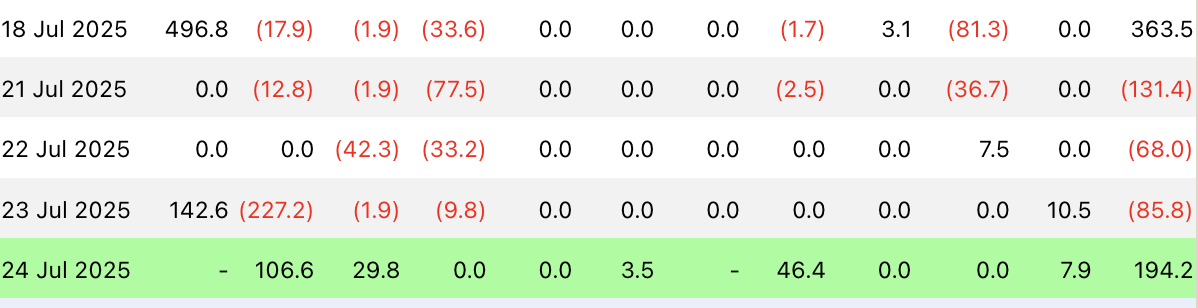
ETF inflow/outflow data image
Technical indicator analysis

MA5, MA20, MA50, MA100 data pictures
Market sentiment analysis
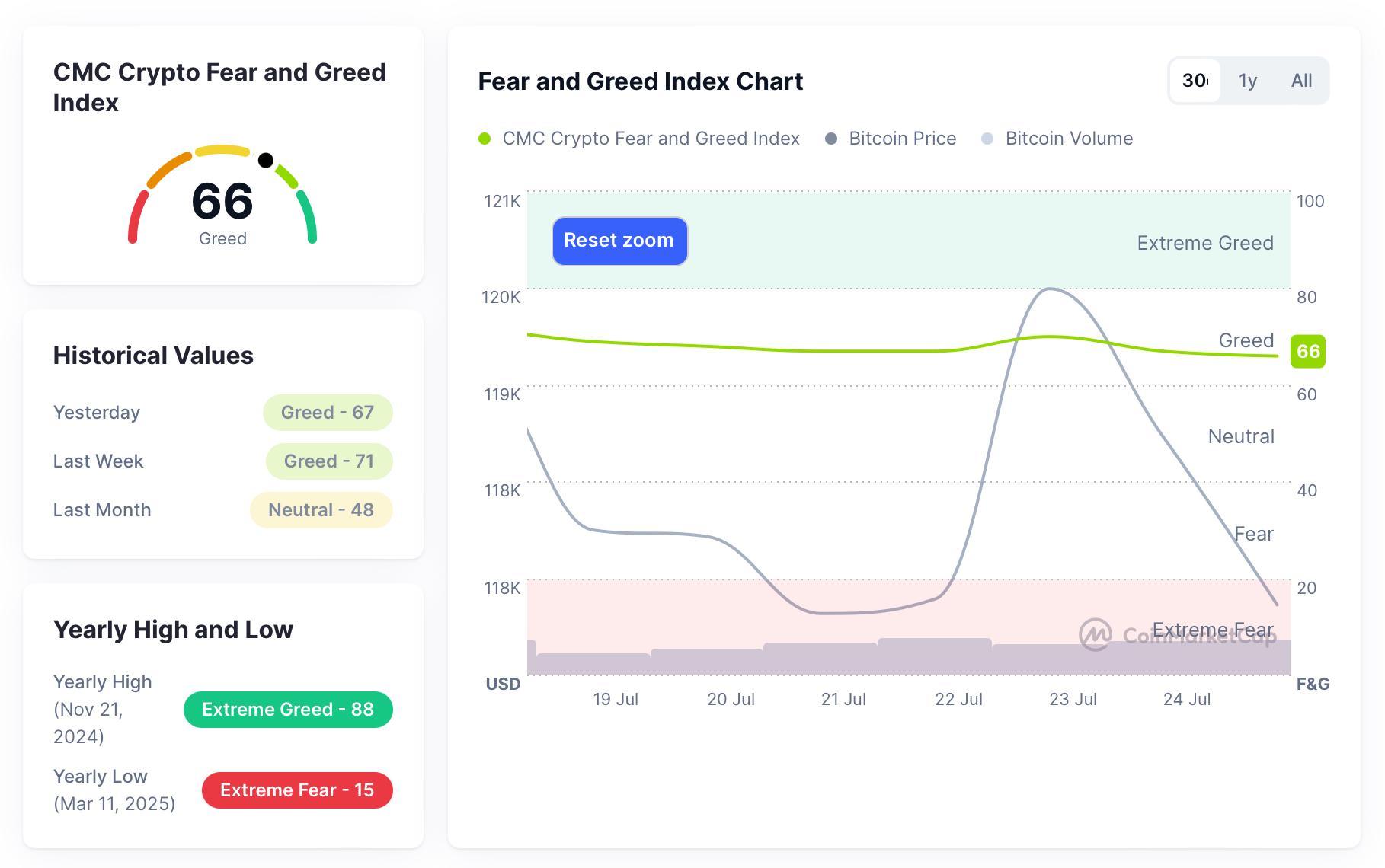
Fear and Greed Index Data Picture
Macroeconomic Background
3. Hash rate changes
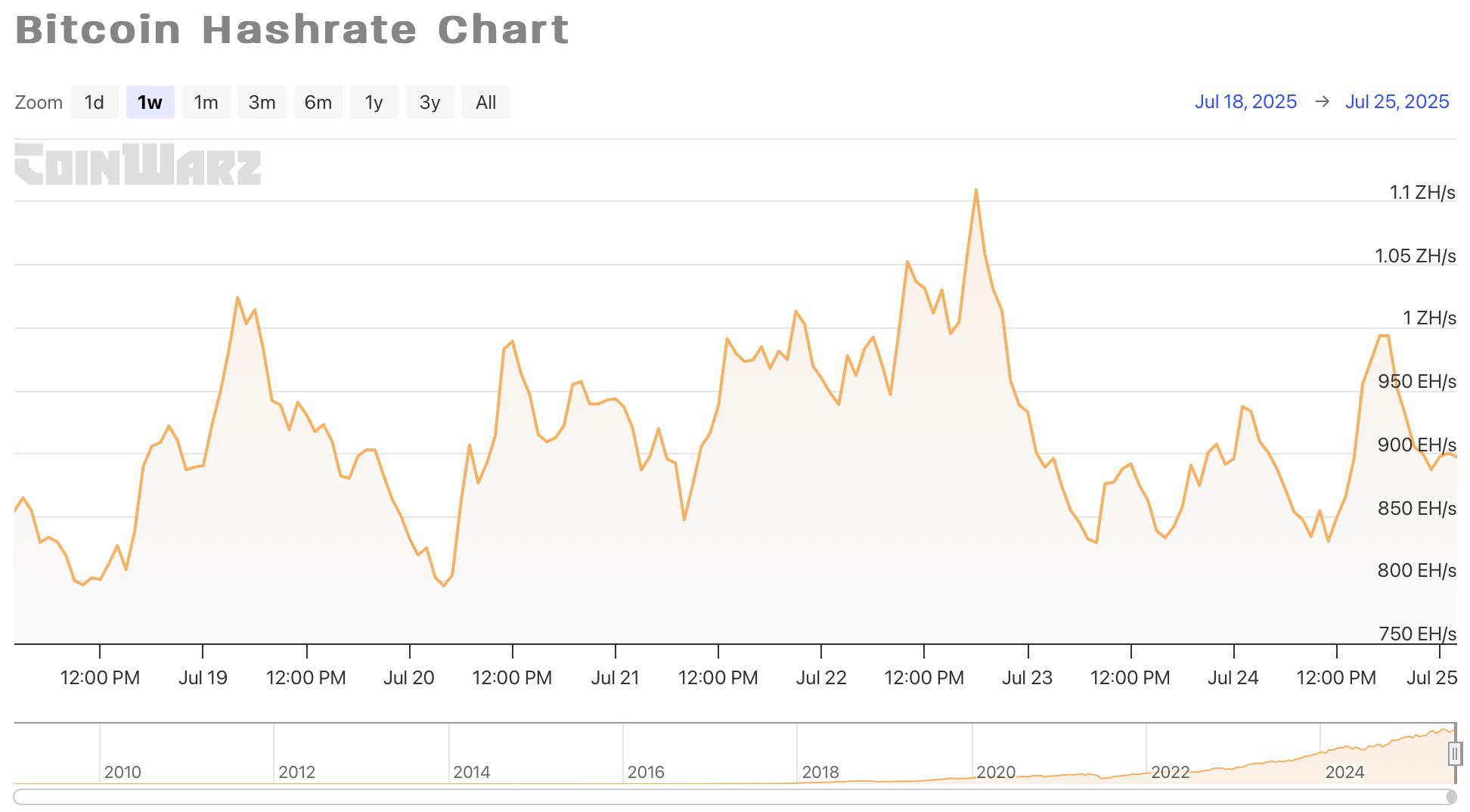
Bitcoin network hash rate data
4. Mining income
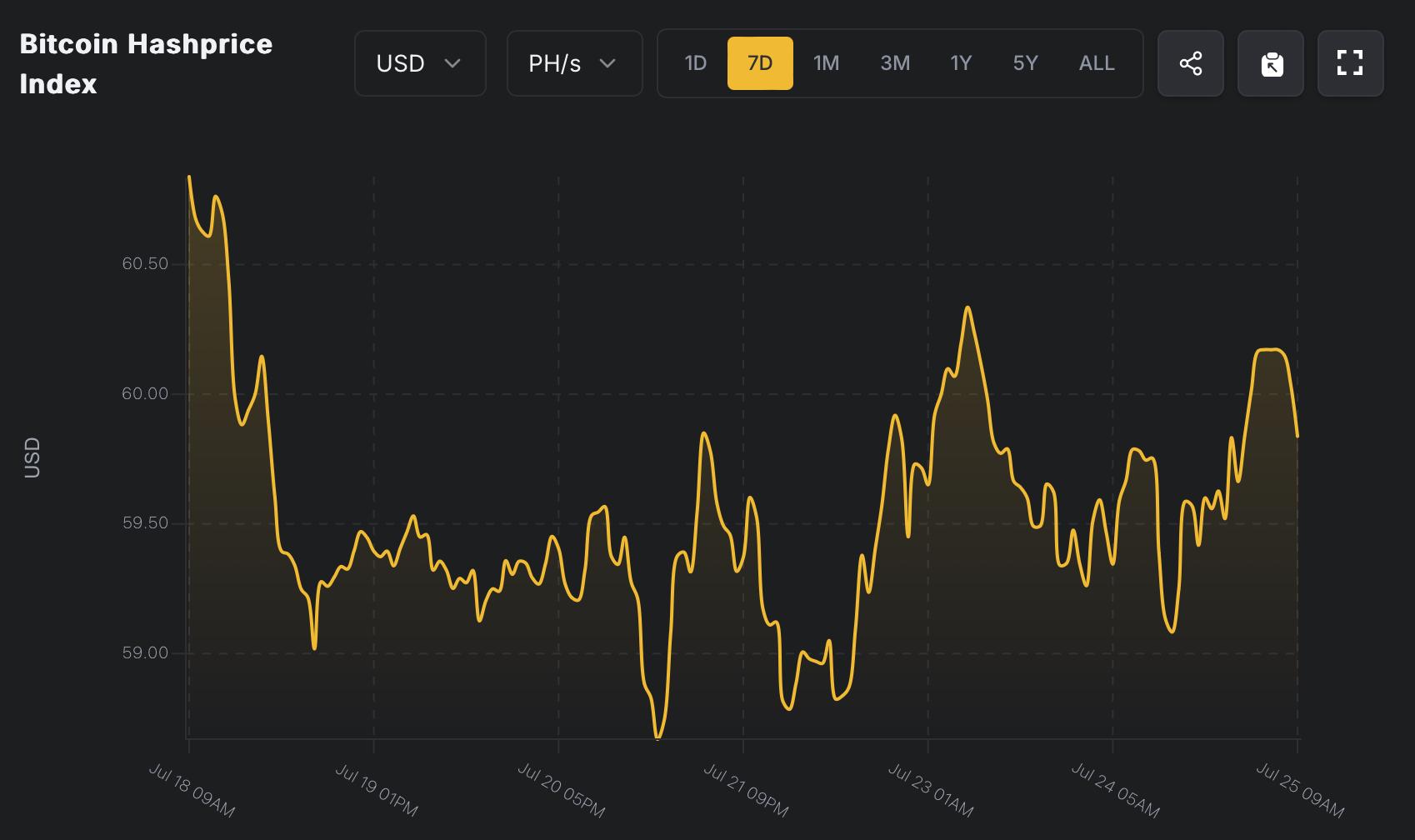
Hashprice data
5. Energy costs and mining efficiency
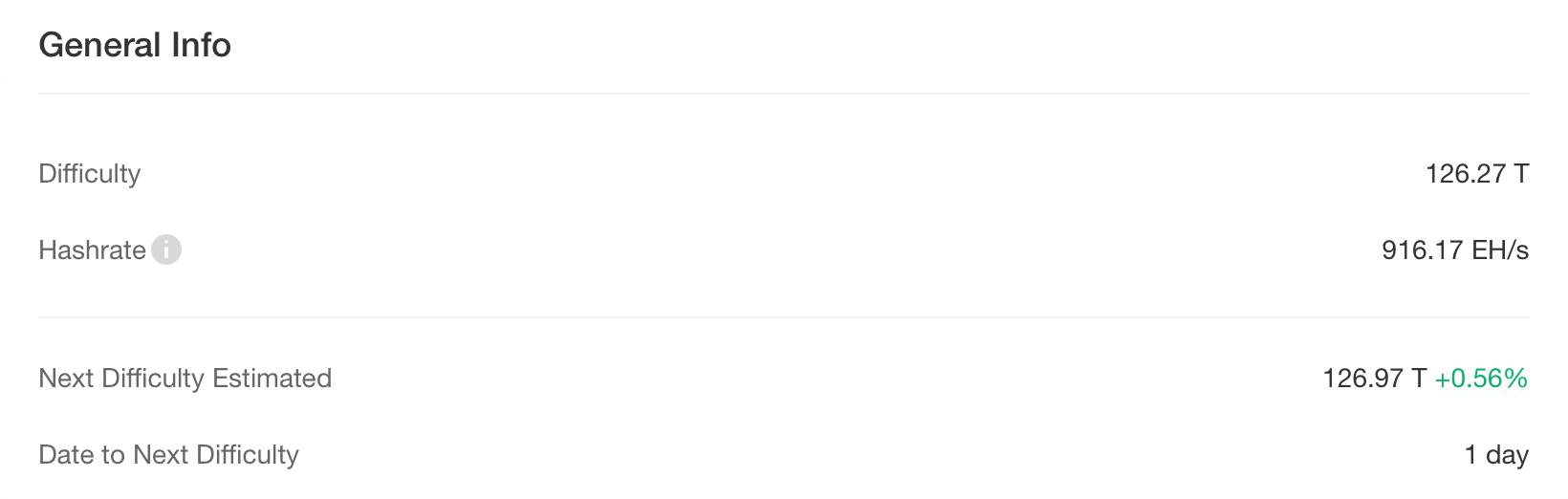
Bitcoin mining difficulty data
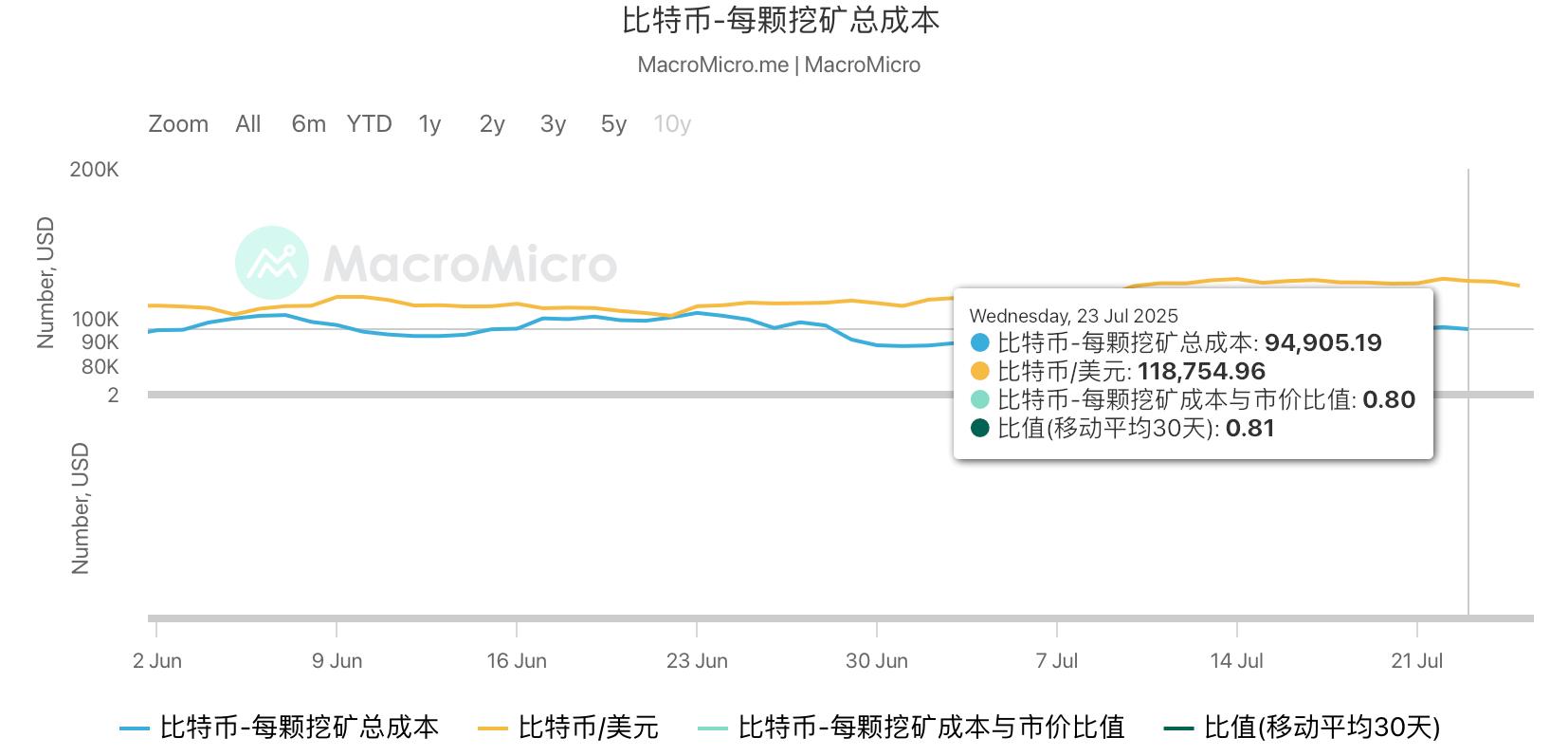
Total mining cost data for each bitcoin
6. Policy and regulatory news

Related pictures
7. Mining news
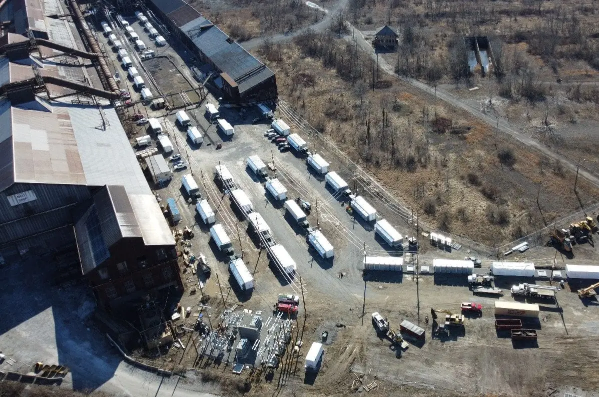 Related pictures
8. Bitcoin-related news
Global corporate Bitcoin holdings (statistics this week)
Bitcoin Treasury Dynamics of Listed Companies (This Week)

Related pictures