In Web3, decentralization is not only an ideal, but also a practical governance method that can empower community members. Polkadot's OpenGov system is a model of this community-driven governance. As one of the most advanced governance systems, OpenGov breaks the reliance on centralized power in traditional governance models and puts the control of the network completely in the hands of DOT holders.
What is OpenGov?
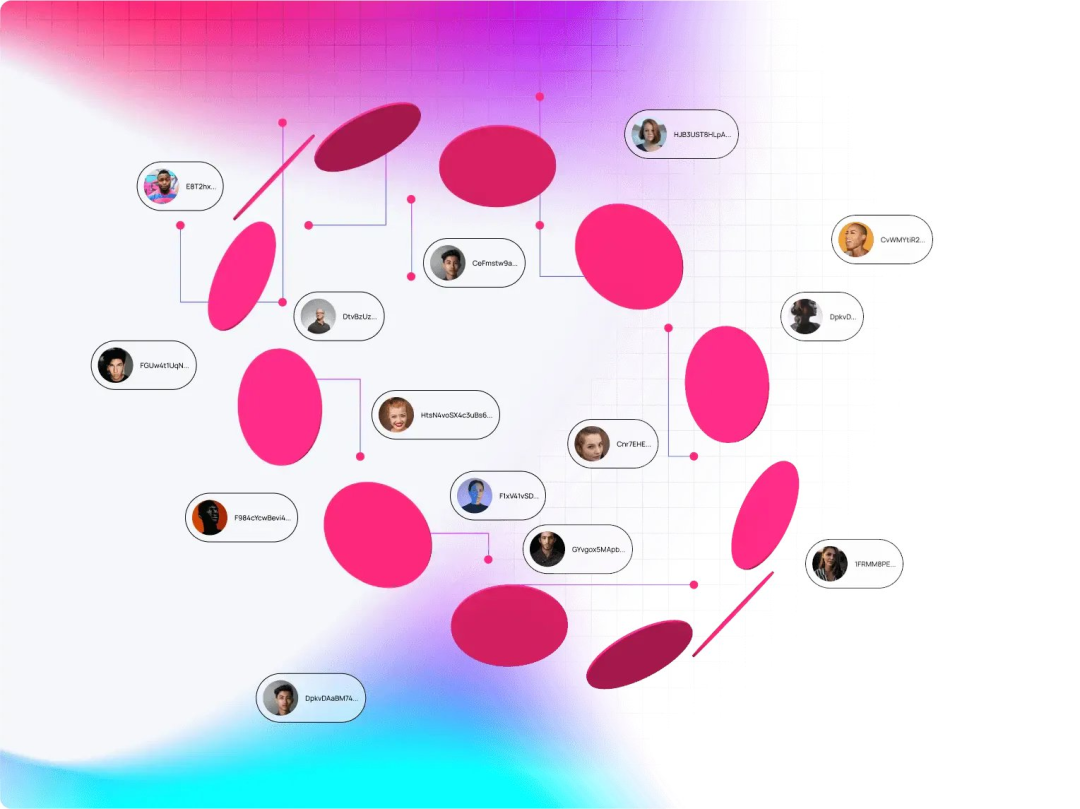
Simply put, Polkadot's OpenGov is a system that allows DOT holders to directly participate in network management. Through this system, the community can jointly decide the future direction of the network through proposals, voting, and delegation. Whether it is network upgrades, fund allocation, or the implementation of security measures, all decisions are made on-chain, transparently and fairly.
The core of decentralized governance: fairness and transparency
Under the OpenGov model, the Polkadot network is completely decentralized, and no individual or organization can control other members or prevent the normal operation of the network. This design enables the network to effectively resist corruption and destructive behavior, ensuring its long-term and stable development. So, in this governance system without central power, how to upgrade the network? How to allocate funds? This is the problem that OpenGov aims to solve.
How does OpenGov work?
The core idea of OpenGov is to give decision-making power to DOT holders. Any DOT holder can submit a proposal to propose their ideas or changes to an aspect of the ecosystem.
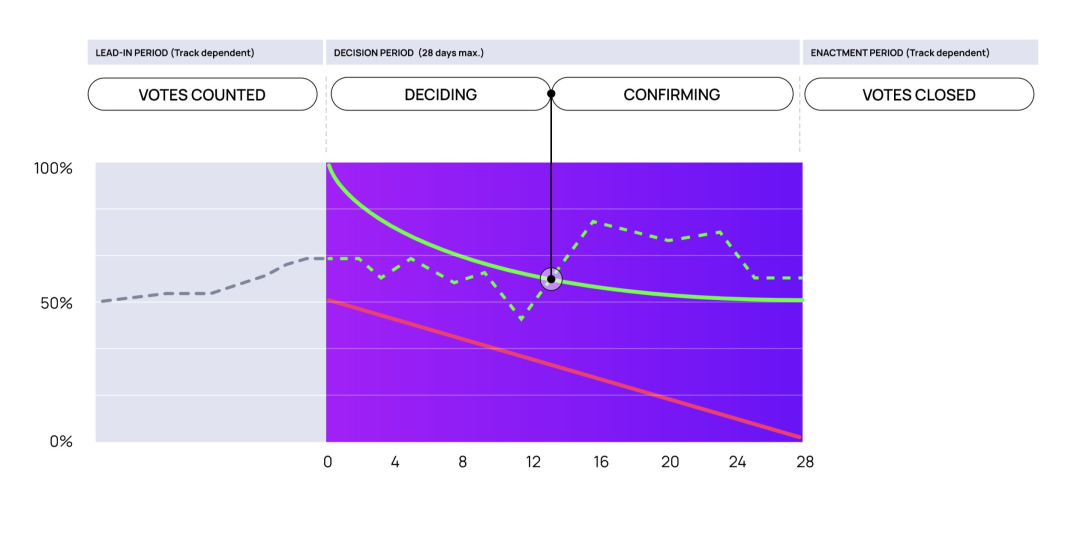
The steps for submitting a proposal are generally as follows:
Discussion stage : Before formally submitting a proposal, community members usually collect feedback from the community through platforms such as Polkassembly or SubSquare. This process helps to improve the content of the proposal and increase the possibility of its approval.
Proposal submission : Proposers choose the appropriate governance track to submit proposals, which may include infrastructure deployment, security measures, marketing activities, or community activities. Each track has different decision periods, confirmation periods, and execution periods.
Voting process : During the decision-making period, DOT holders can vote for (Aye) or against (Nay) a proposal. When voting, holders can choose whether to add "conviction" to increase their voting weight by extending the lock-up period.
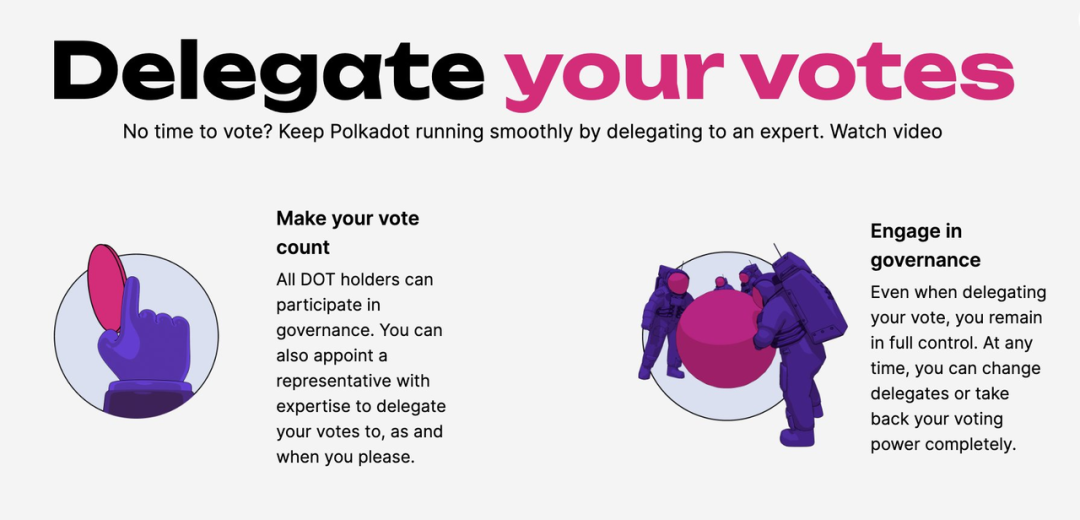
Proxy voting : If some holders are unable to follow up on all proposals, they can delegate their voting rights to other community members who have the time and expertise to ensure that their interests are still protected.
1 DOT = 1 vote
In Polkadot OpenGov, every DOT holder has equal voting rights, and the more DOTs held, the greater the voting weight. This model ensures the fairness and transparency of the governance process, while also providing opportunities for proposers and voters to participate.
Voting, delegation and proposal platform
For community members who want to participate in governance, how to participate is the key. Currently, the following platforms can facilitate community members to participate in OpenGov:
Polkassembly : A platform for discussing proposals and viewing the status of community proposals.
SubSquare : A user-friendly and powerful governance platform that facilitates proposal submission and voting.
Talisman, SubWallet, and Nova Wallet : These wallets have integrated governance features, allowing users to vote and delegate at any time. Built-in governance user interface for easy voting and delegation.
Join Polkadot OpenGov
For users who want to learn more about OpenGov or participate in governance, you can follow Polkadot's official social media accounts, as well as community influencers such as Alice und Bob and The Kus , to get the latest governance updates and discussions. In addition, visit the Polkadot Wiki for more resources and links, or check out current proposals on Polkassembly and SubSquare to learn about hot topics being discussed in the community.
Polkadot OpenGov is the future of community-driven governance, providing DOT holders with the opportunity to directly participate in network decision-making. Through this system, Polkadot is achieving true decentralized governance and setting a benchmark for other blockchain projects. As a DOT holder, you are not just supporting an ecosystem, you are also shaping its future. Seize the opportunity and actively participate in Polkadot's governance!