Governance is fundamental to any decentralized network. It shapes how communities grow, how innovation is funded, how challenges are addressed, and how trust is built over time. As Web3 continues to evolve, so too do the governance models that determine how these ecosystems make decisions.
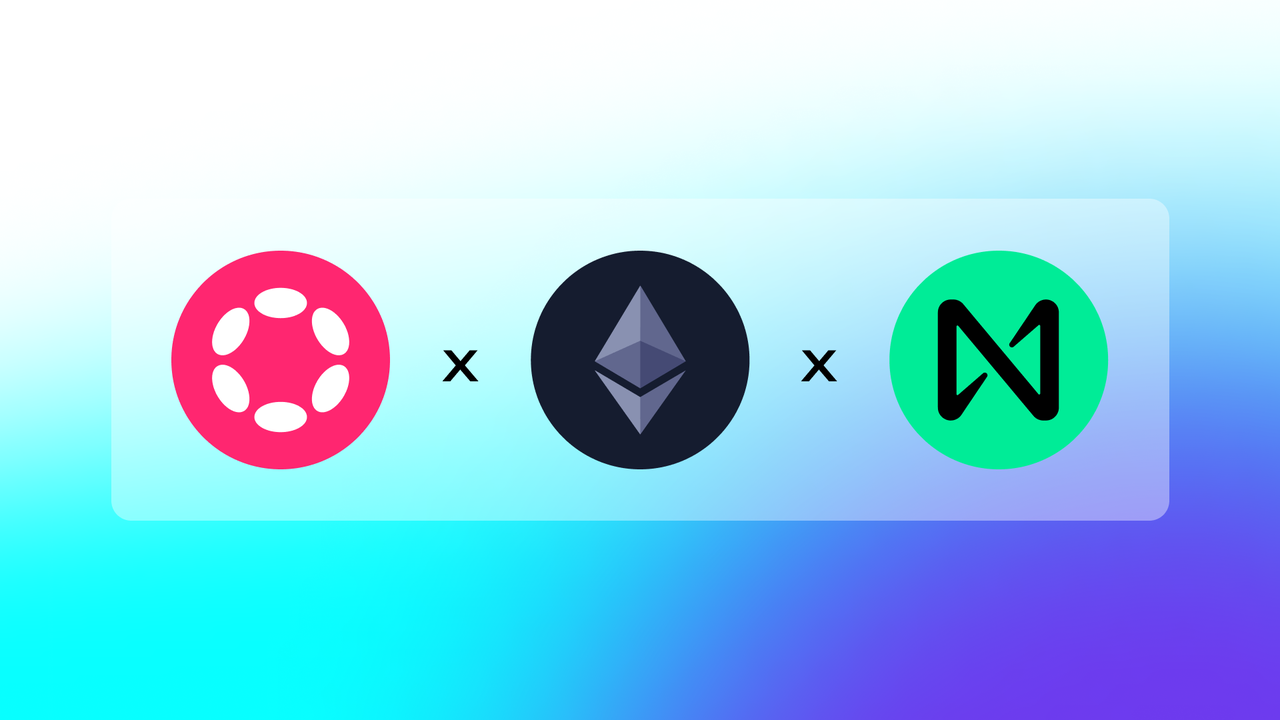
In a recent episode of The Decentralized Mic, Polkadot brought together three leading voices from across the ecosystem for a conversation on blockchain governance. The discussion brought together Christine Kim of Galaxy, Lane Rettig of NEAR Foundation, and Bill Laboon of Web3 Foundation to compare the governance approaches of Ethereum, NEAR, and Polkadot. The panel was moderated by Joyce Siqueira of Parity Technologies .
The speakers represent a diverse range of ecosystems and bring different experiences. Christine has been covering Ethereum governance since 2018, first as a journalist and now as a researcher. Lane previously worked as a core developer at the Ethereum Foundation before shifting his focus to governance design and now leading research at the NEAR Foundation. Bill, with a background in computer science and political theory, oversees education and governance initiatives at the Web3 Foundation, which supports the development of Polkadot and Kusama.
Together, they provide a nuanced perspective on the trade-offs, values, and evolving philosophies that shape blockchain governance today.
How governance differs in different ecosystems
Each network takes a different approach to governance, influenced by its architecture, community culture, and long-term goals.
Ethereum: Public participation through off-chain coordination
Ethereum relies almost entirely on off-chain governance. Decisions are made through bi-weekly developer calls, GitHub discussions, Discord forums, and other open coordination channels. There is no on-chain voting mechanism, and influence is gained through ongoing contributions rather than token ownership.
Christine explained that while this model is transparent and open to anyone, it can also be difficult to follow. With no centralized record of how or why decisions were made, community members often need to search livestreams, call transcripts, and GitHub threads to understand the context behind key proposals.
The lack of structure can be an advantage. According to the group, Ethereum’s informal model makes it difficult to game. However, it also puts a burden on contributors to maintain a high level of engagement if they want to follow along or participate.
Polkadot: Fully on-chain and transparent
and enforceable governance
Polkadot formalizes everything on the chain. Through OpenGov , proposals are submitted as executable code, votes are recorded on the chain, and if passed, the changes automatically take effect. Bill pointed out that this approach eliminates ambiguity and clearly records what was proposed, how people voted, and what the results were.
Still, on-chain governance has its own challenges. Voters must evaluate technically complex proposals, and bugs in the code occasionally lead to reruns. Bill stressed that while on-chain processes are black and white, off-chain communication remains critical — especially in code emergencies that require rapid coordination to bring issues to a vote.
NEAR: Voting via Range Delegation
Iteration to Simplicity
NEAR’s governance model is somewhere between Polkadot and Ethereum. The protocol previously tried to do so through the NEAR Digital Collective, which Lane said ultimately proved difficult to implement effectively. The NEAR Foundation has since launched a new initiative called House of Stake, which introduces delegated token voting with a focus on simplicity and clear scope for decision making.
Lane shared that NEAR’s governance evolution reflects a broader industry trend: the need to learn from other ecosystems while embracing experimentation. He stressed that it is still early in the current phase, with only a small group of representatives and a research-focused approach, which will eventually move to more active governance.
Increase engagement and address apathy
Participation remains one of the most vexing issues in any governance system.
In Ethereum, Christine said engagement tends to spike when proposed changes directly impact stakeholders, such as staking providers or client teams, but she also acknowledged that not everyone knows when decisions are happening or how they might be affected.
This creates a communication challenge, she noted. While governance is open to anyone, staying informed takes effort, and much of the burden falls on people like her who summarize and explain the process to the wider community.
Polkadot addresses participation issues through initiatives like The Decentralized Mic, which delegates financial decisions to trusted community members. Bill explained that the Web3 Foundation intentionally abstains from participating in most referendums, and that these initiatives help keep decision-making distributed and representative.
Lane believes AI can help reduce barriers to participation. At NEAR, governance tools are being developed to summarize proposals, assist with drafting, and ultimately act as autonomous representatives that users can opt-in to.
One of the goals, he said, is to reduce the repetitive, bureaucratic aspects of governance. Christine and Bill echoed the idea, agreeing that AI has the potential to make it easier for users to understand complex technology changes and stay engaged.
Evolving Models and Simple Examples
All three speakers stressed that governance is an ongoing process. Systems change over time, and excessive complexity often makes participation more difficult.
Polkadot: Through OpenGov and
Track-based voting reduces friction
In Polkadot, the transition from the original Governance v1 to OpenGov is intentionally simplified. The earlier model included a Council and Technical Committee with special powers over treasury decisions and proposal timelines. With OpenGov, decision-making now follows the “one DOT, one vote” principle, and proposal tracks are clearly defined by purpose.
Bill explained that the only exception is the Polkadot Technical Fellowship, which can whitelist referenda on a certain track to pass more quickly. Beyond that, everything is decided directly by token holders. This simplification is critical to encouraging broader participation and avoiding insider capture, he said.
NEAR: Rebuilding with a Lightweight Governance Foundation
At NEAR, the new governance model intentionally limits the number of representatives and narrows the scope of decision-making. Lane said that past attempts to build complex systems of checks and balances did not translate well on-chain. This time, the focus is on starting small, focusing on specific areas such as funding and economic decisions, and building on that.
Ethereum: Flexible and interpretable,
But sometimes it is not clear
Ethereum’s off-chain model has also changed. Christine observed that while developers once shied away from social and economic issues, client teams are now more involved in these conversations. Still, without a formal structure, some proposals can hang in the balance for months, and decisions are often revisited or reversed over time.
She noted that Ethereum’s governance isn’t always a clear yes or no process. Decisions are formed through discussion, community feedback, and rough consensus models that sometimes leave room for interpretation.
Looking ahead: AI, accountability, and experimentation
The panelists concluded by offering thoughts on the future of governance, specifically the role of artificial intelligence in supporting decentralized decision-making.
Lane shared that NEAR is exploring a phased approach. The first phase includes AI tools to help human participants navigate proposals. The second involves AI representatives with limited autonomy. The third, more experimental phase envisions an agent to oversee protocol governance — though that remains a long-term idea.
Christine sees AI playing a supporting role in Ethereum. She says it can help summarize developer calls, generate documentation, and reduce the manual work involved in keeping governance accessible.
Bill added that Polkadot is already using AI to generate human-readable summaries of referendums. He said that with thousands of referendums taking place on Polkadot and Kusama, voters need tools to help them understand the situation.
All three panelists stressed that there is no perfect governance model. Bill pointed to political theory, citing Arrow’s Impossibility Theorem , which states that no voting system can simultaneously satisfy all fairness criteria. He said the focus should be on steady improvement, not striving for perfection.
Christine agreed, adding that governance is closely tied to the value and sustainability of a blockchain network. As an ecosystem grows, the systems that govern it must also evolve.
Try it yourself
The best way to learn about governance is to get involved. Bill encouraged the audience to explore referendums. Lane shared how he recently got back into governance by participating in different protocols and trying delegated voting. Christine emphasized that strong governance is essential for public blockchains to thrive and remain sustainable.
All three speakers called on the audience to explore what’s already happening, try out the tools, and stay curious. Whether by voting, joining a call, or simply observing, there are more opportunities than ever to shape the future of decentralized systems.
Original link: https://polkadot.com/blog/governance-compared-polkadot-ethereum-near-expert-insights/